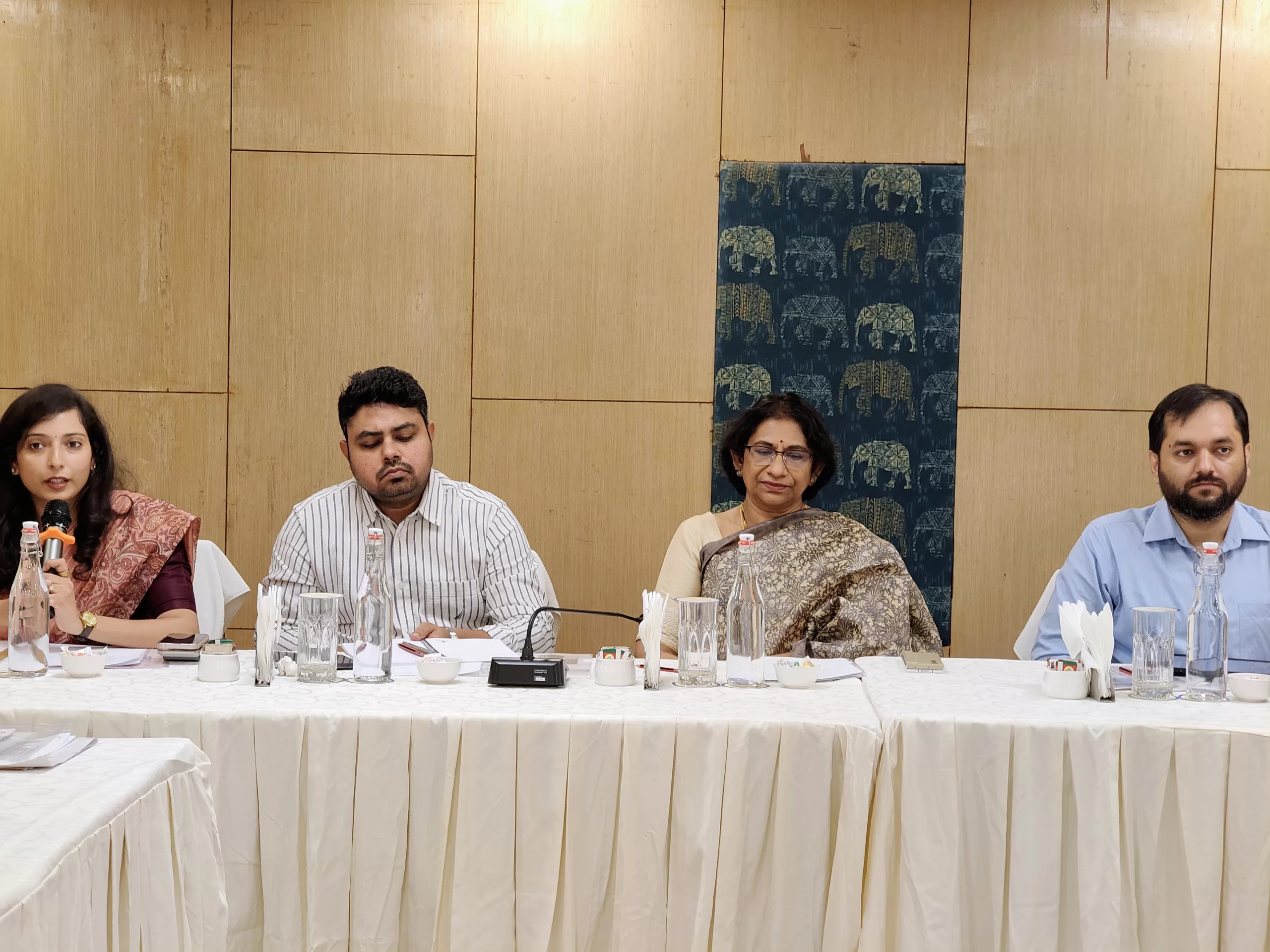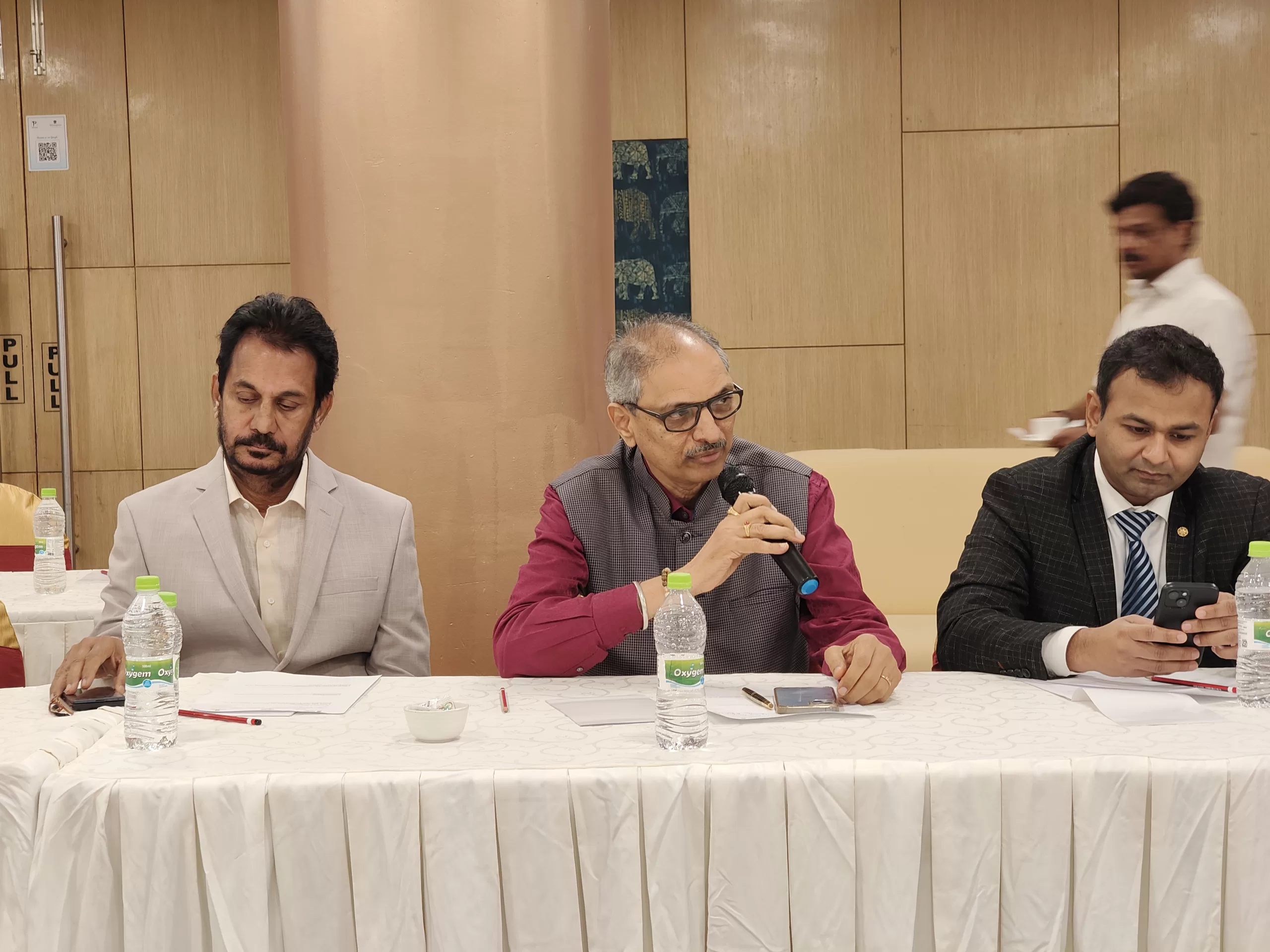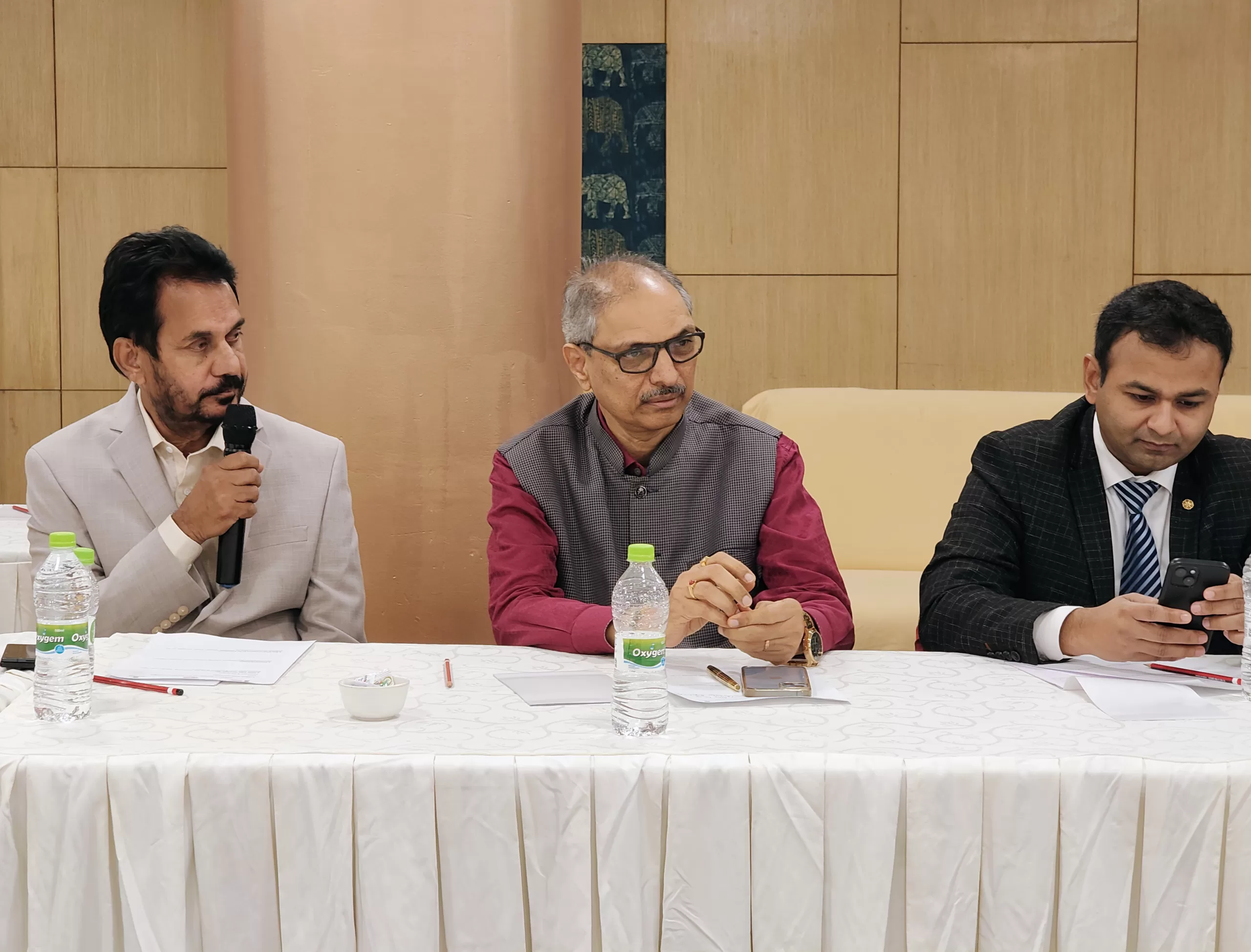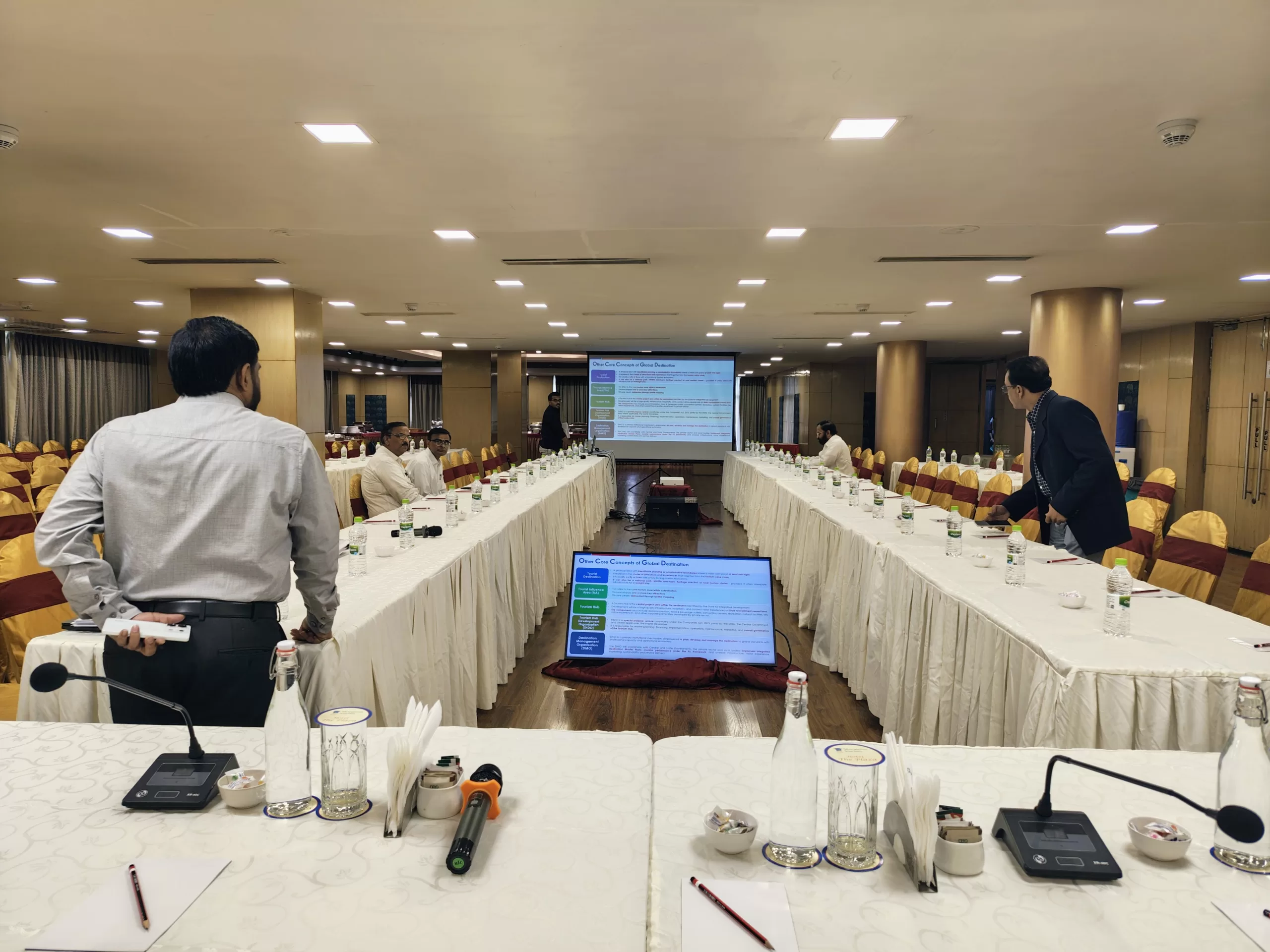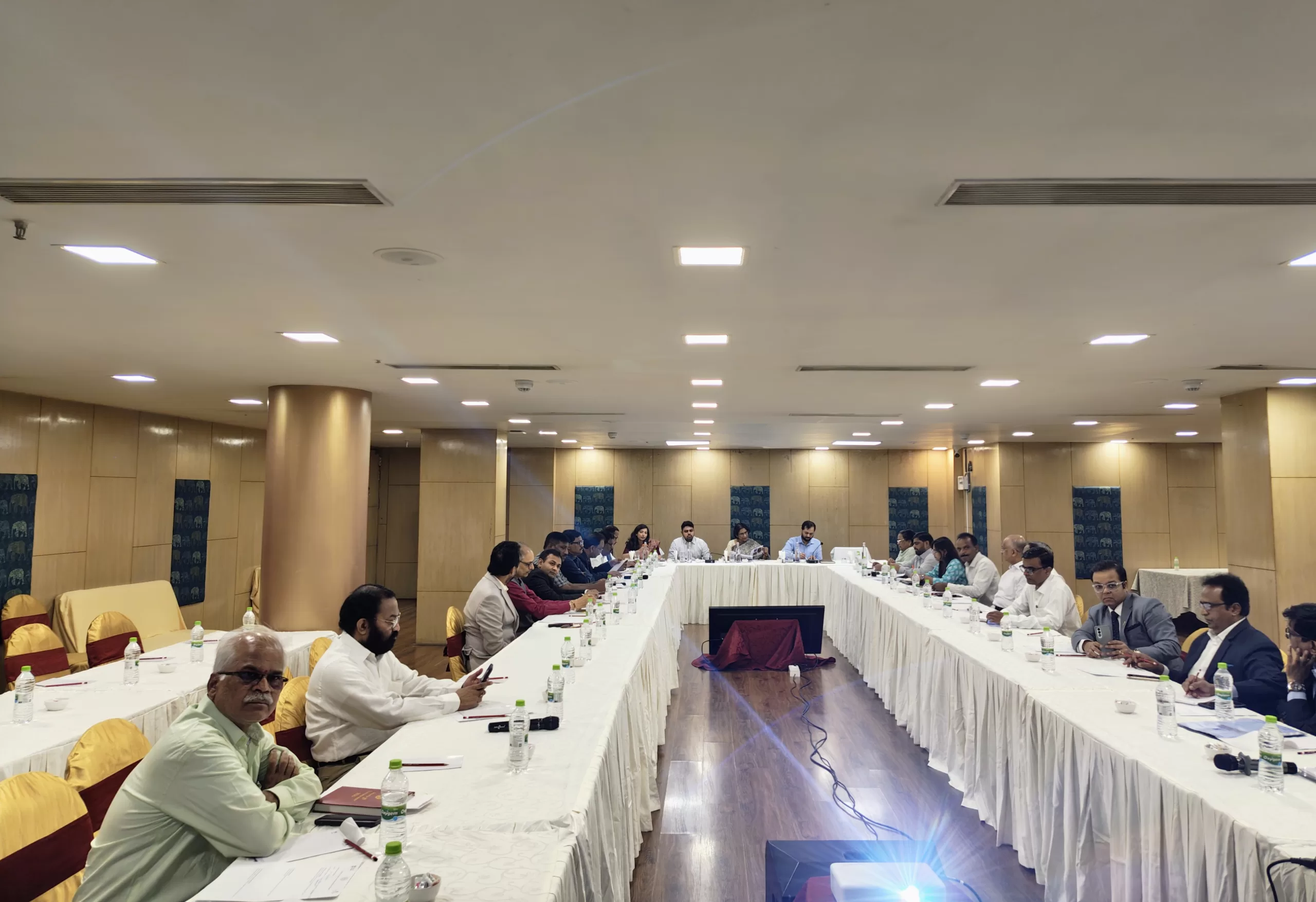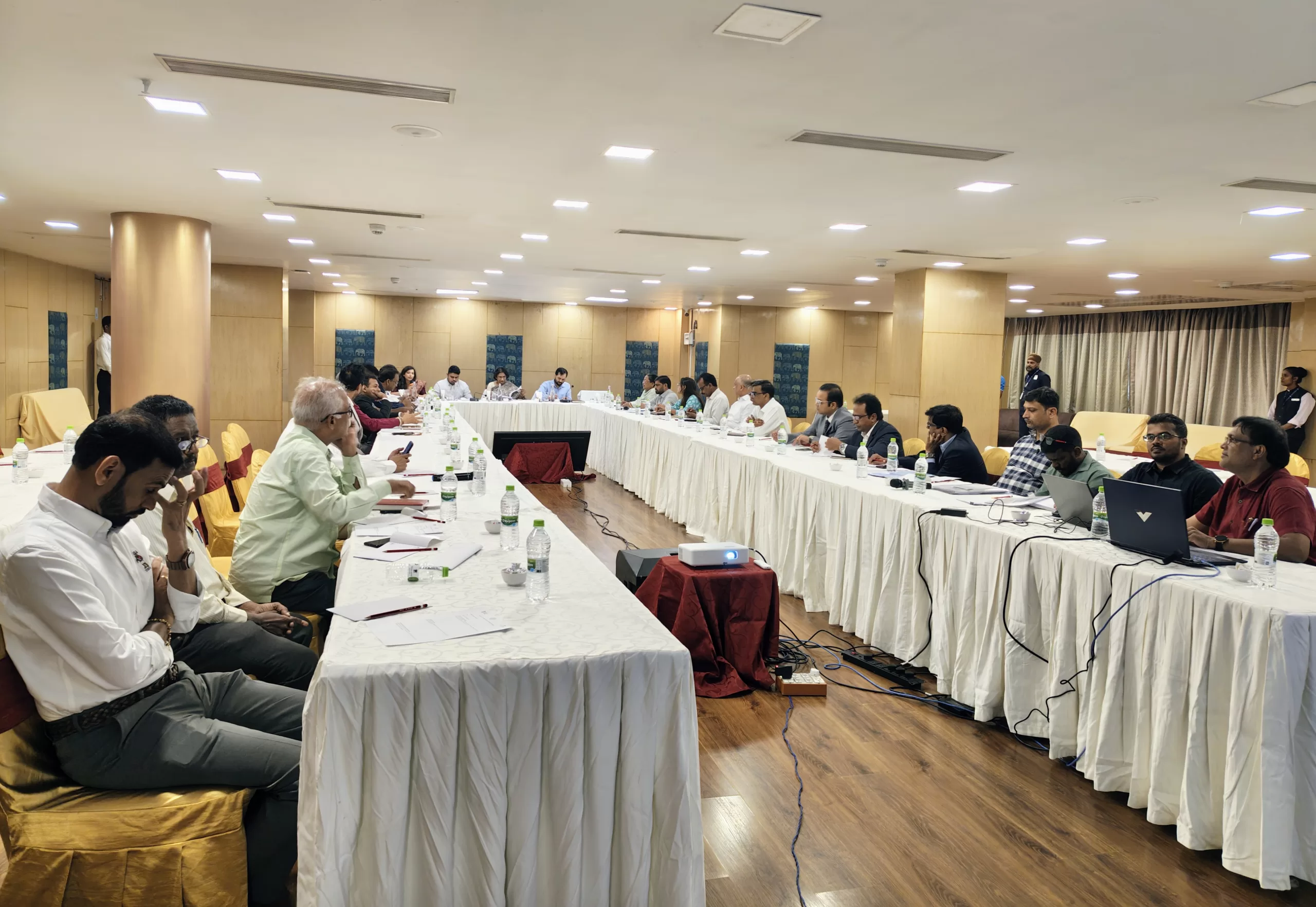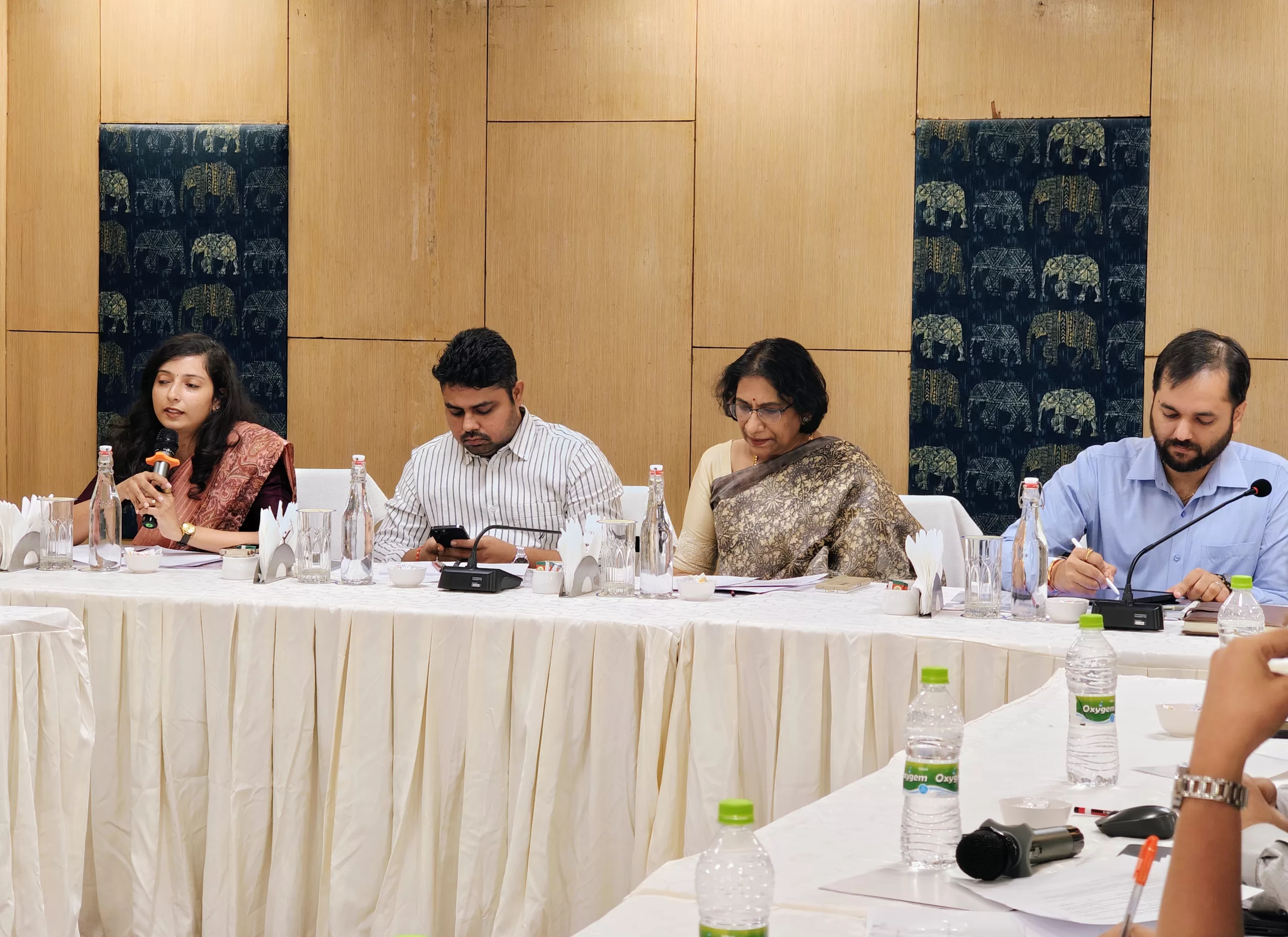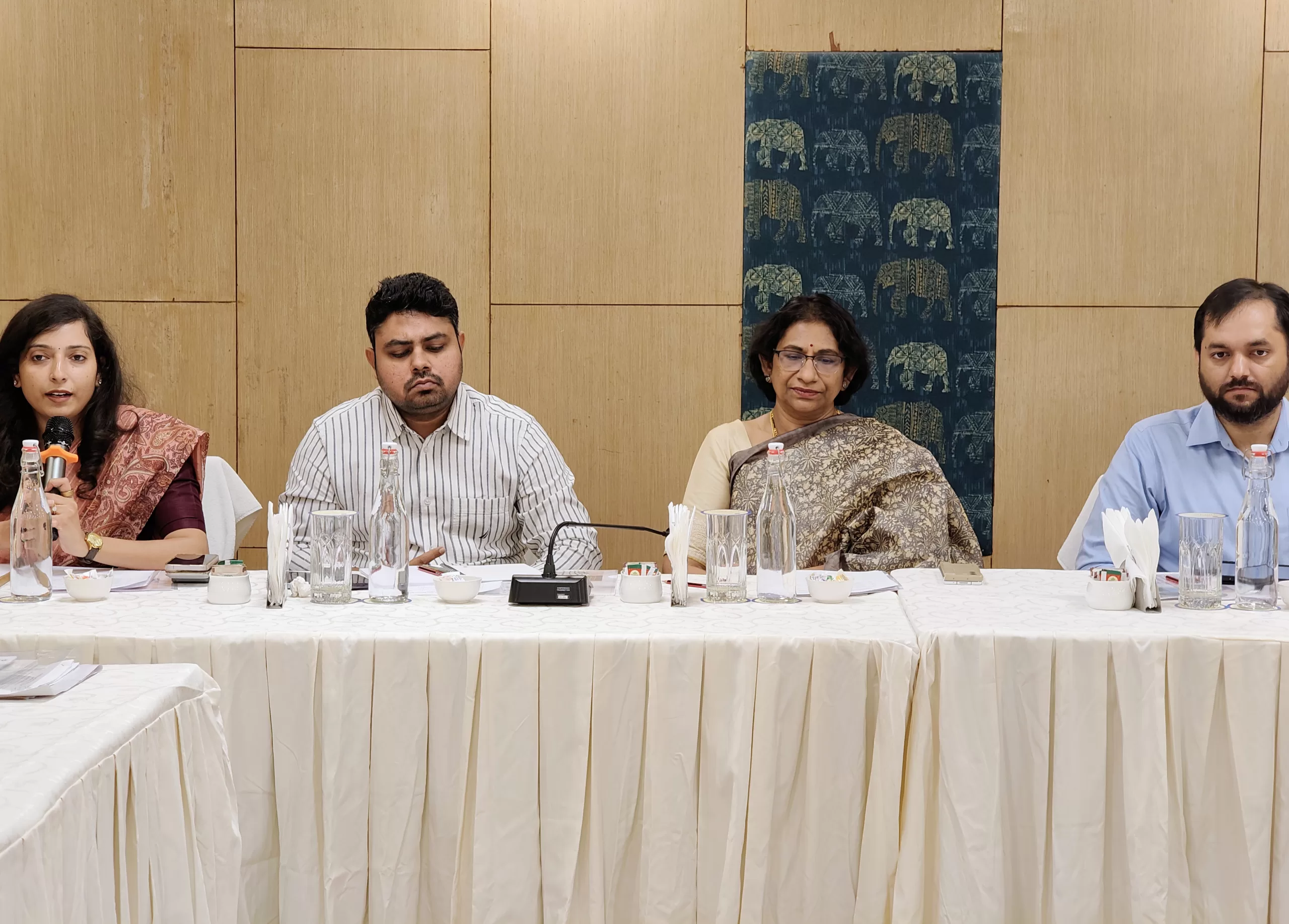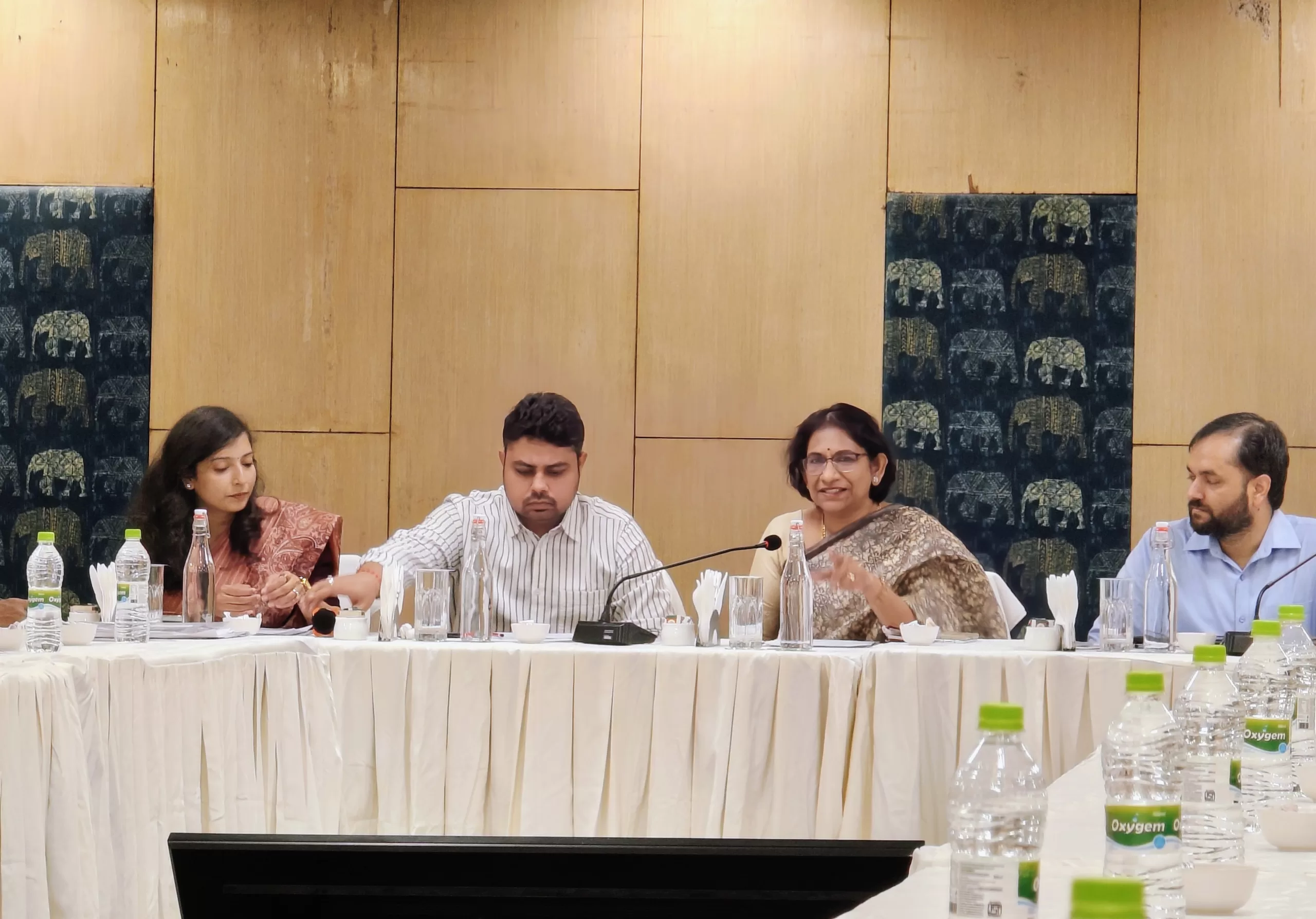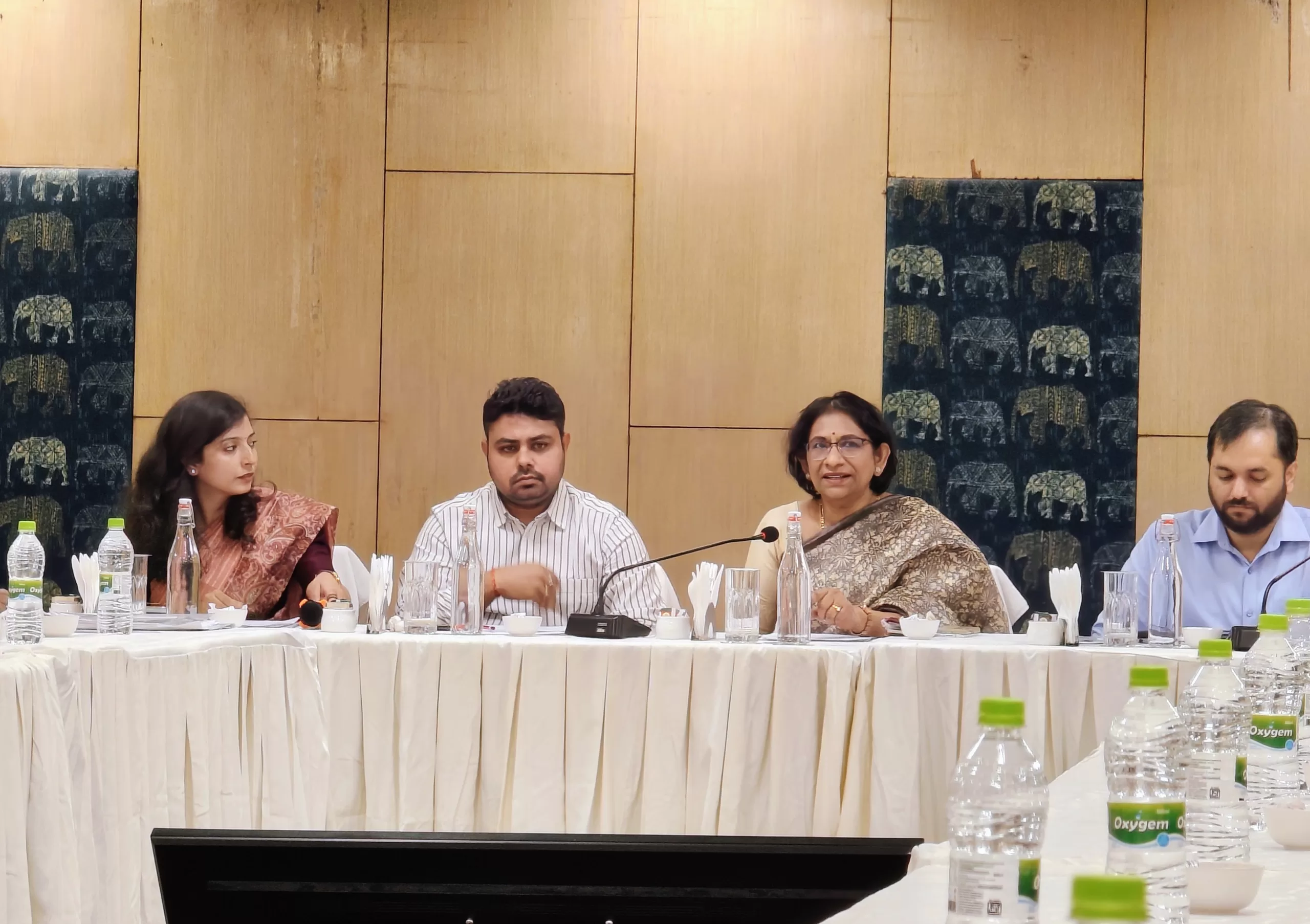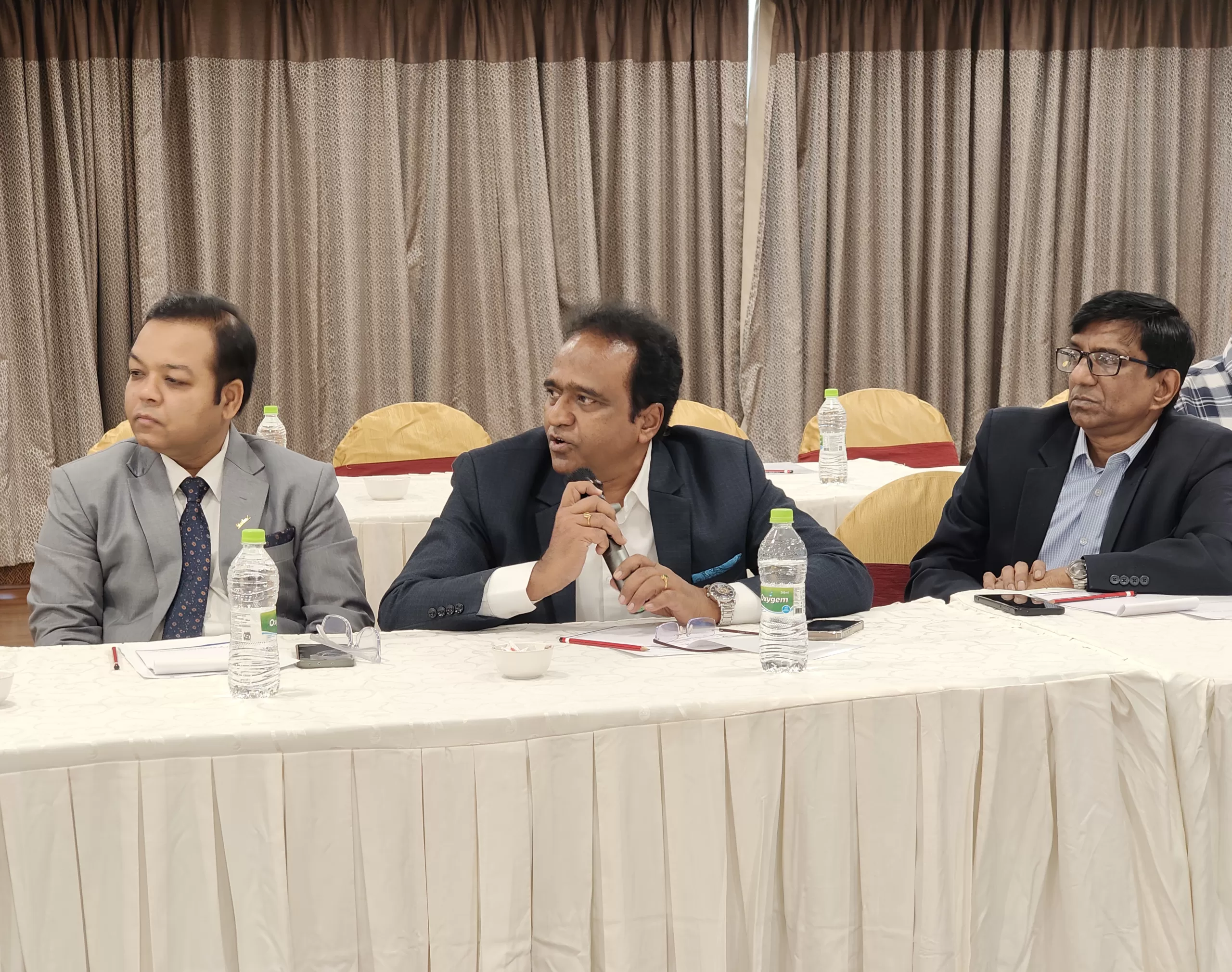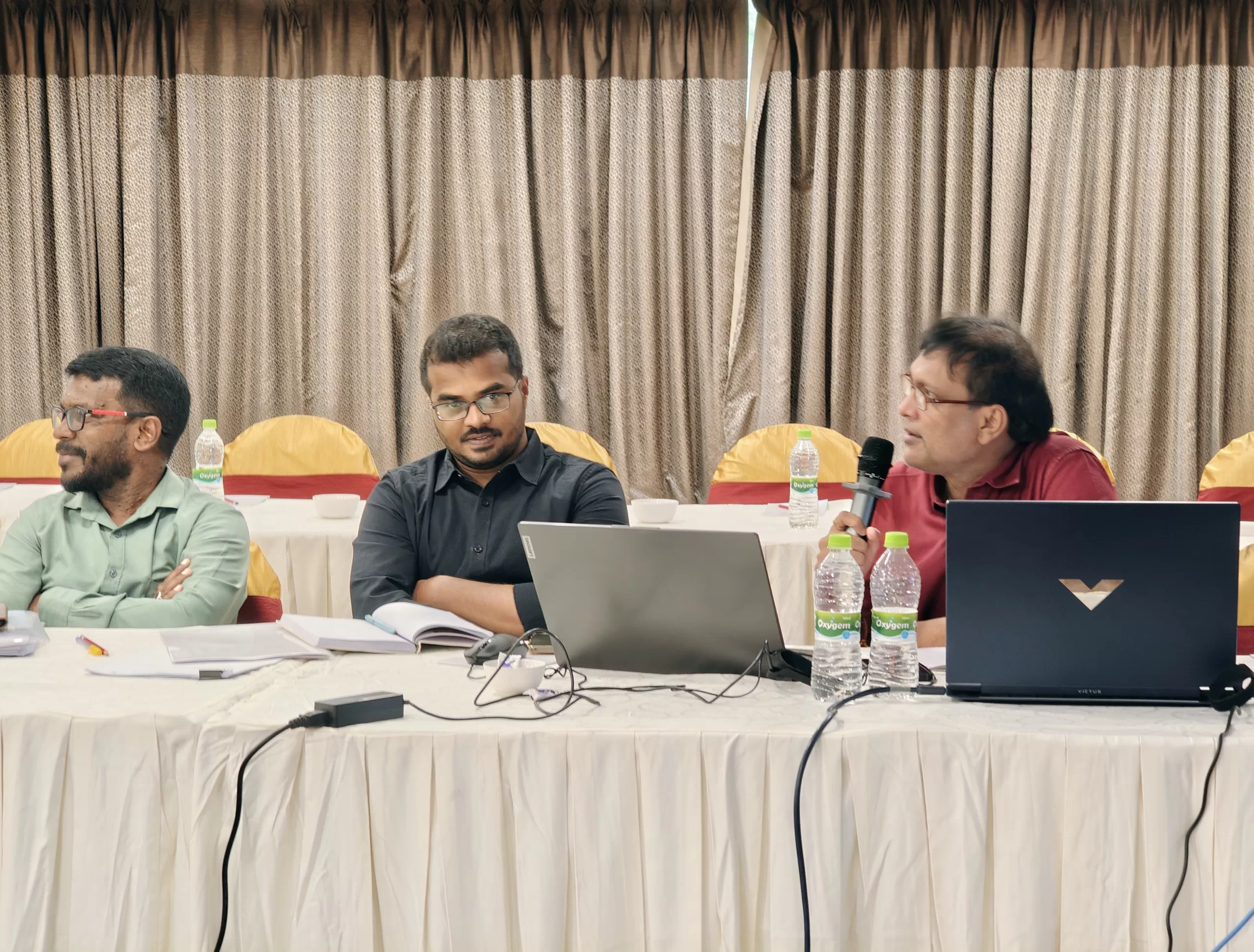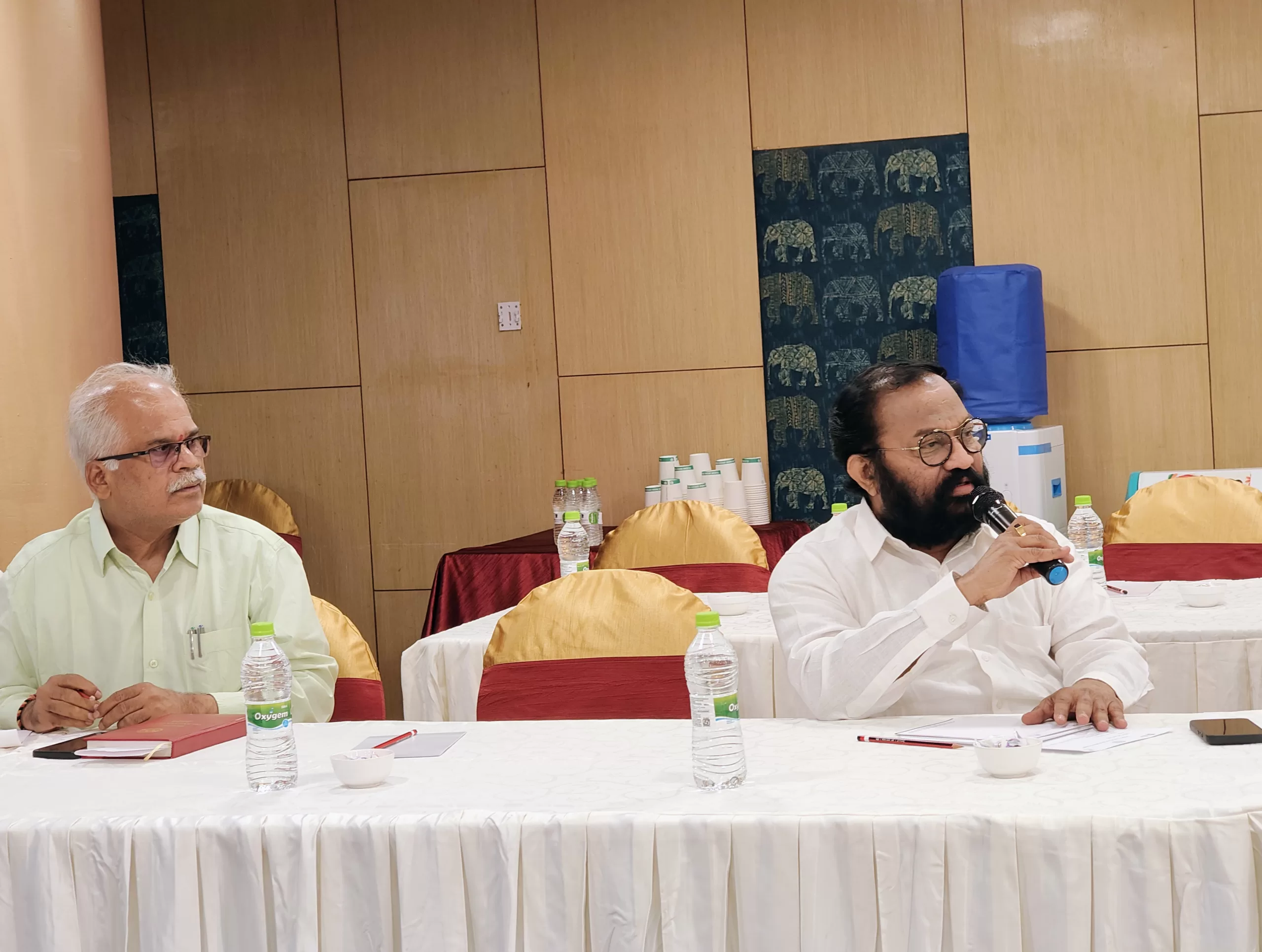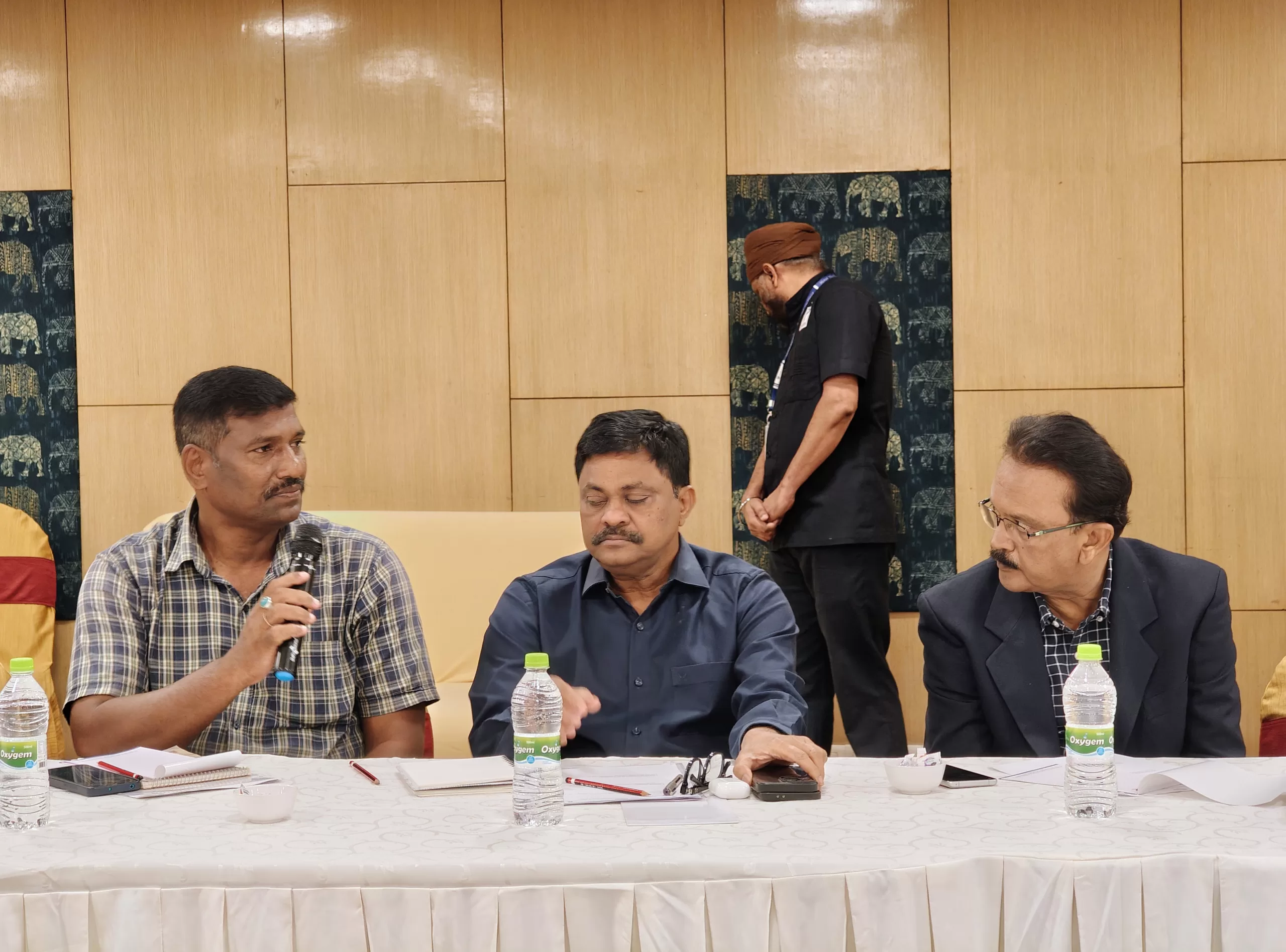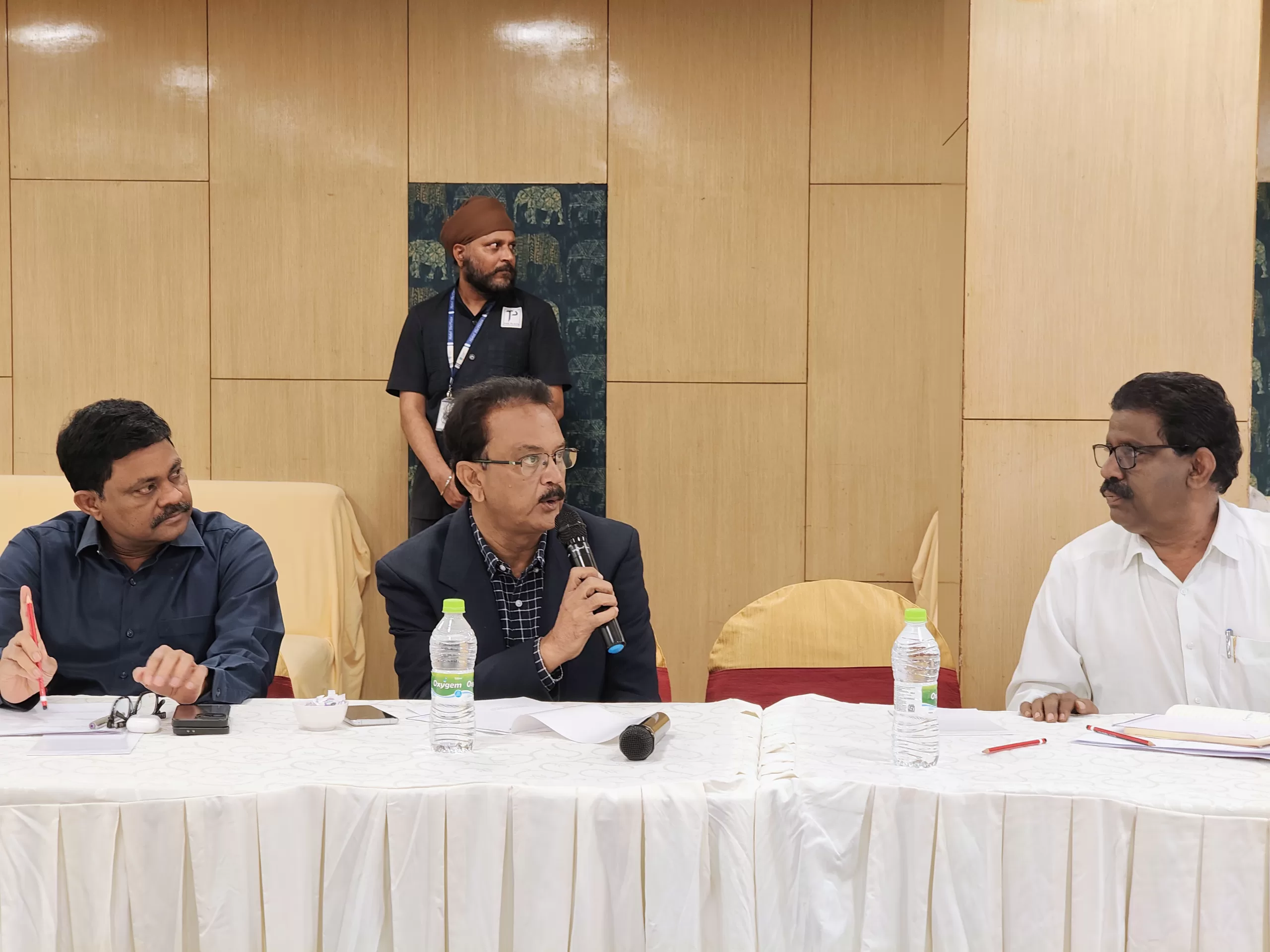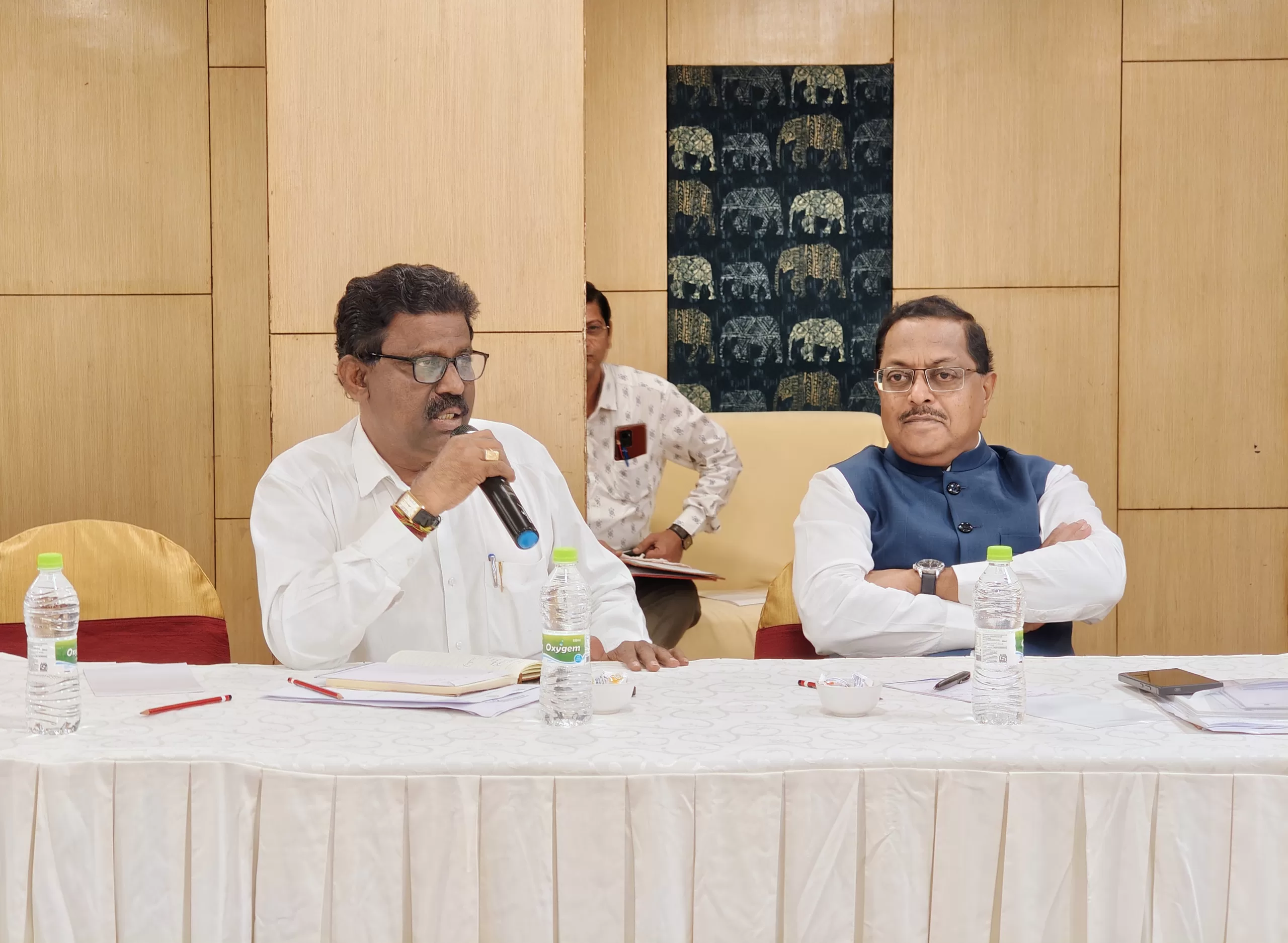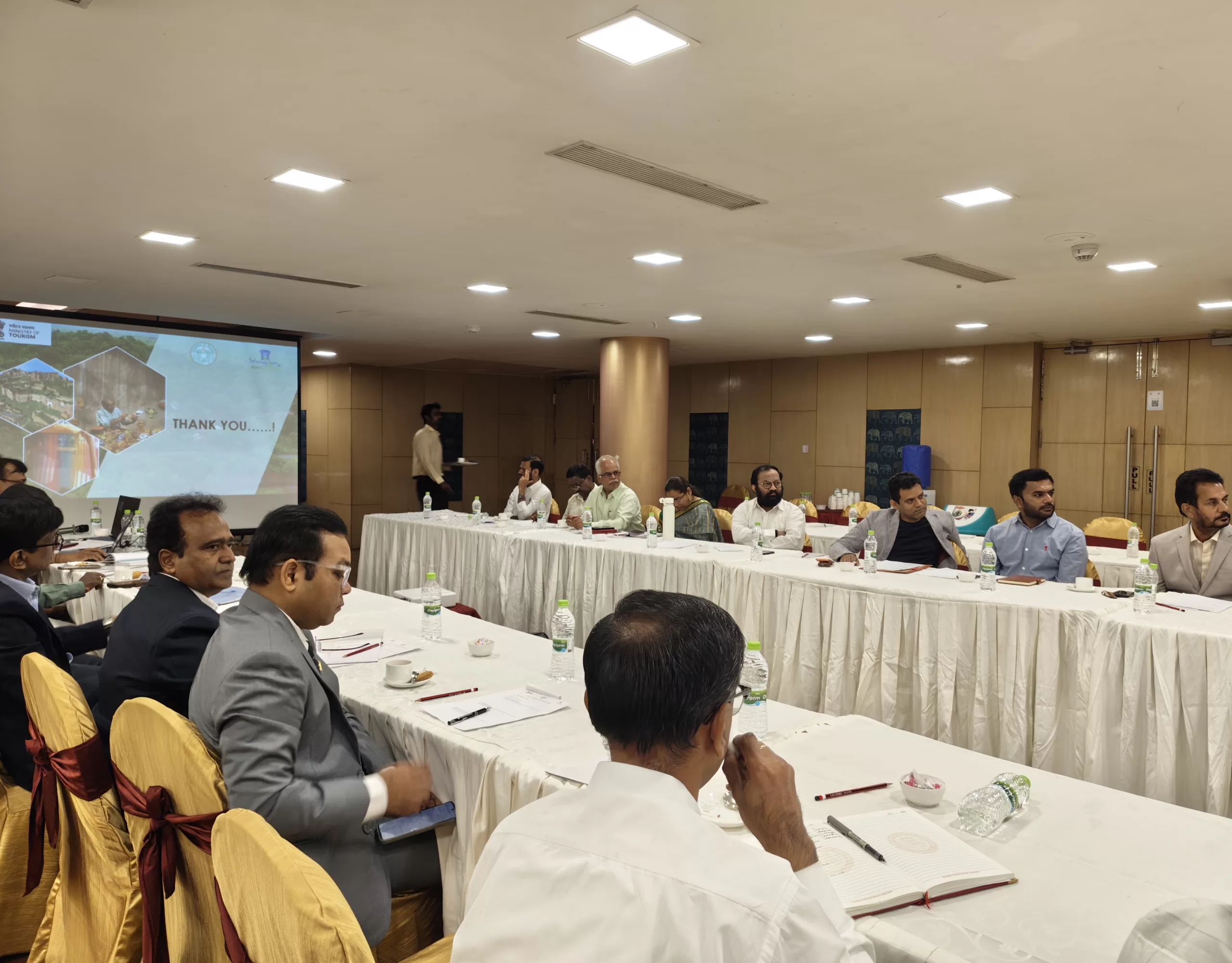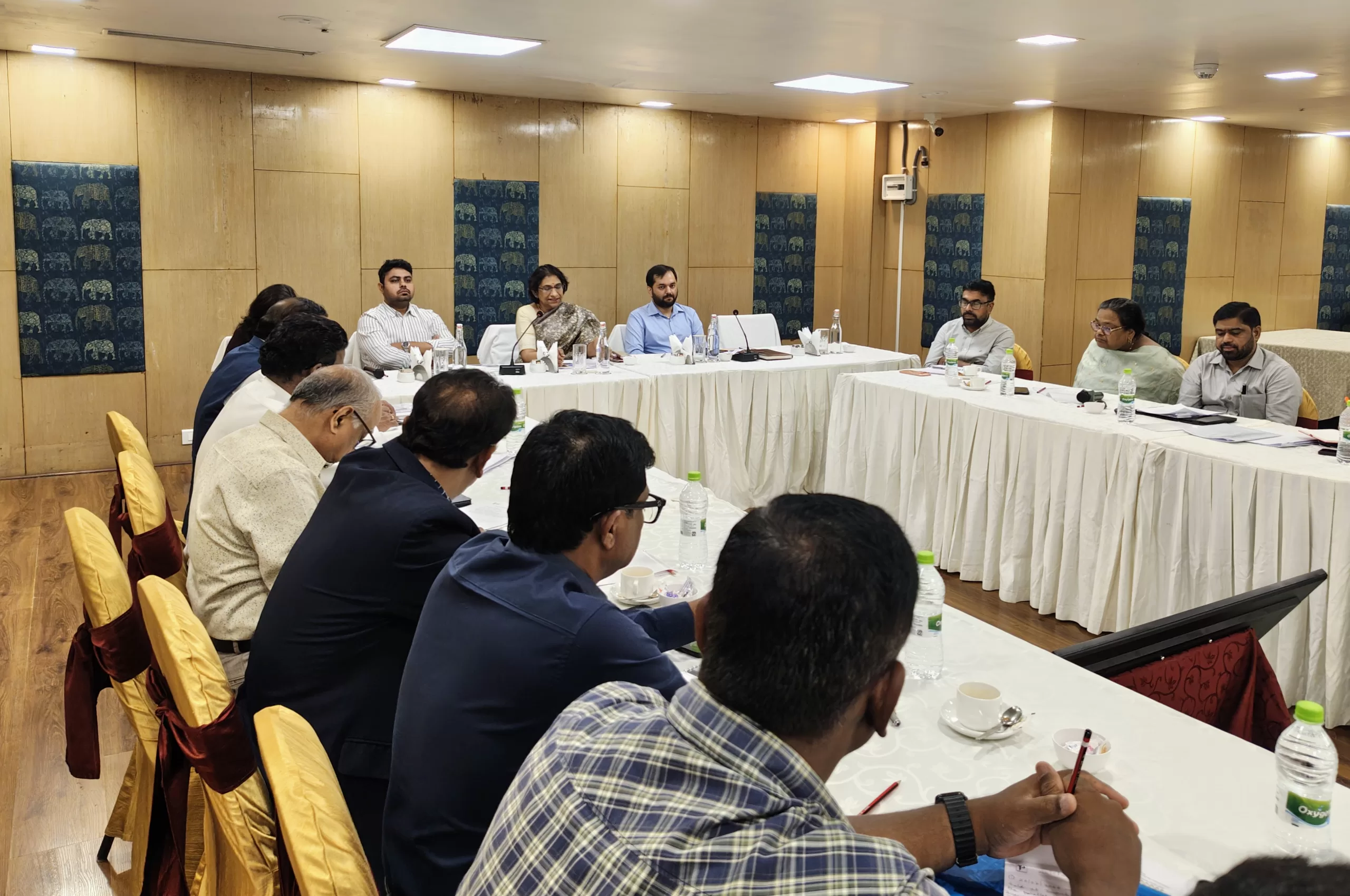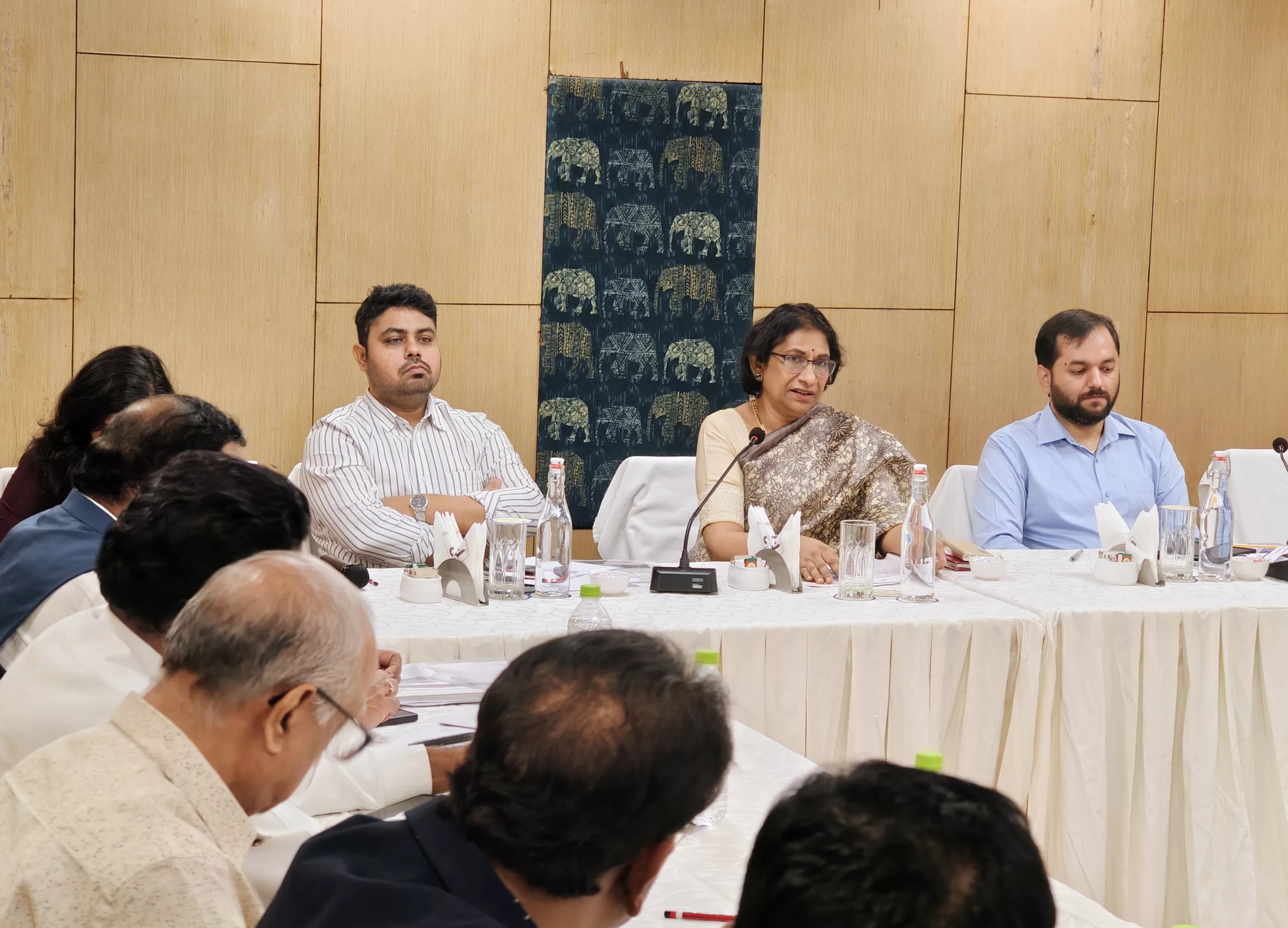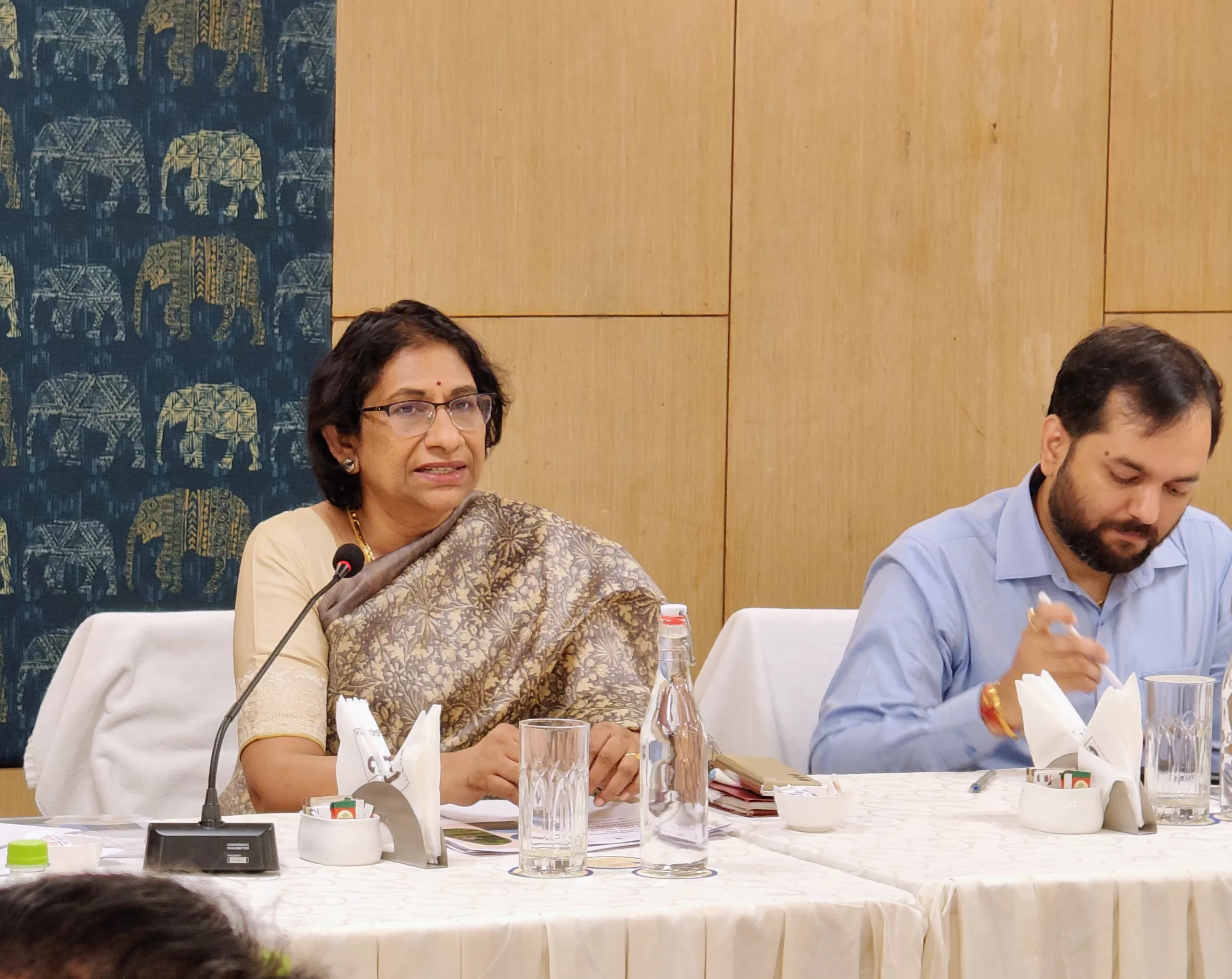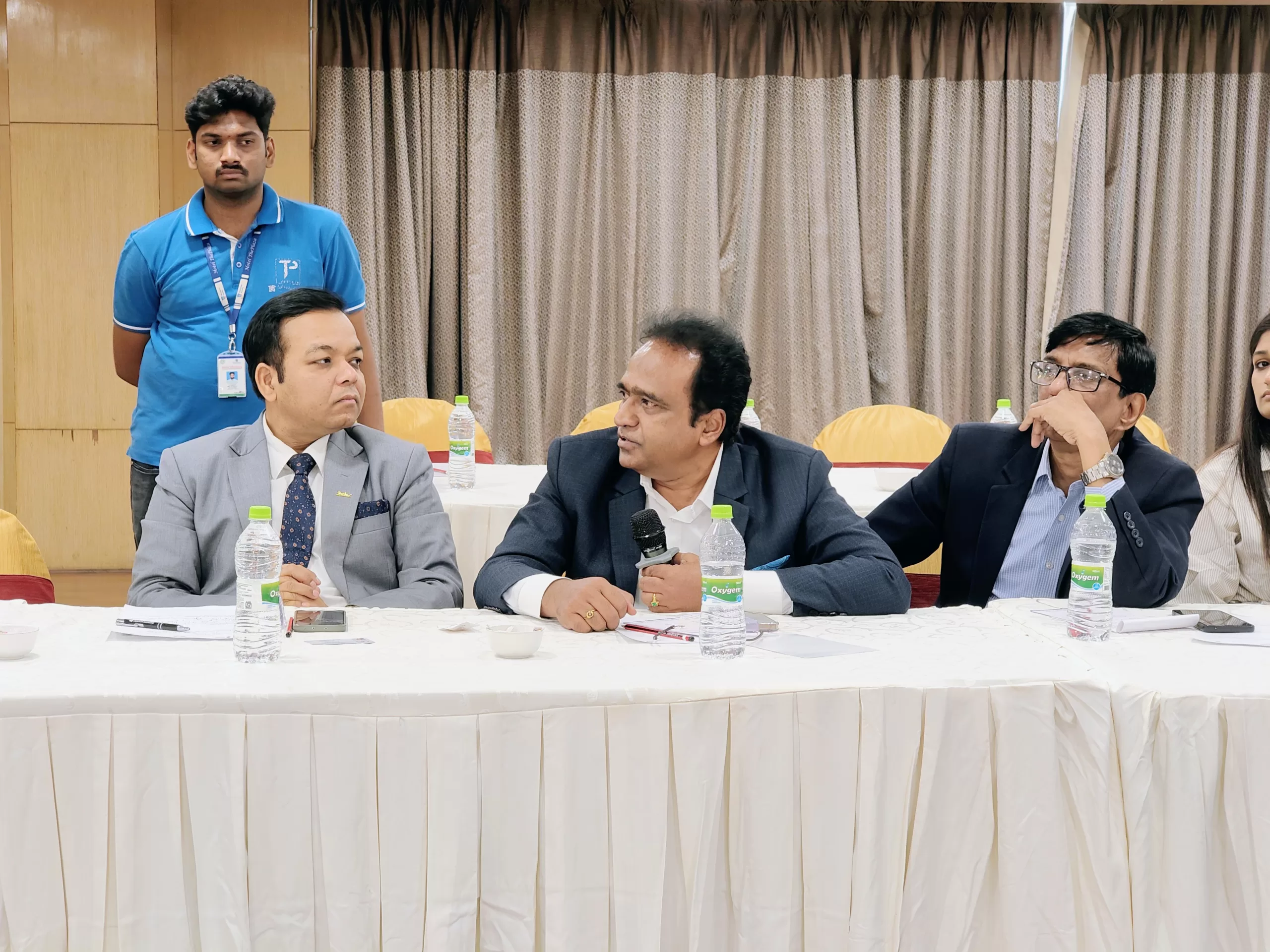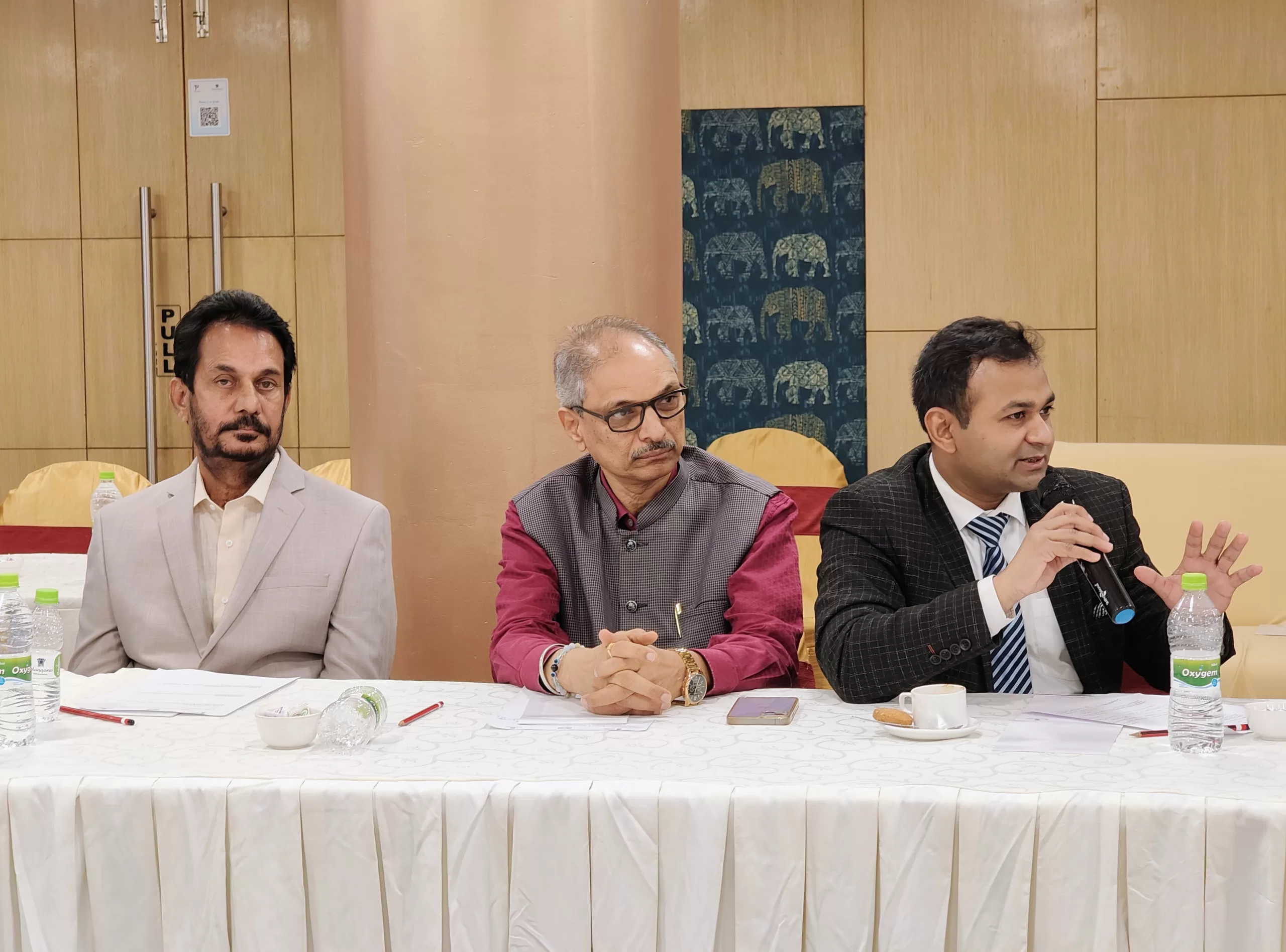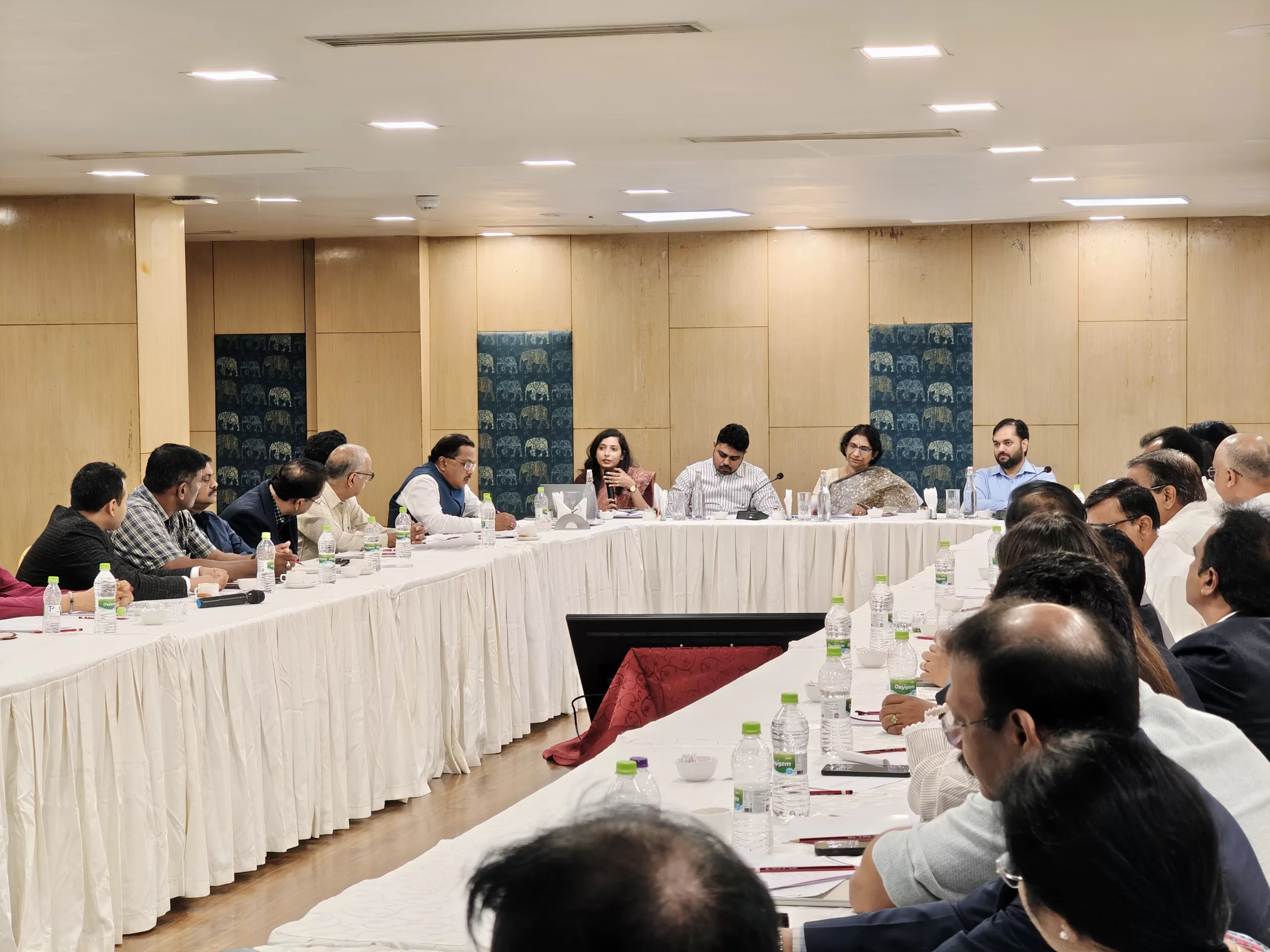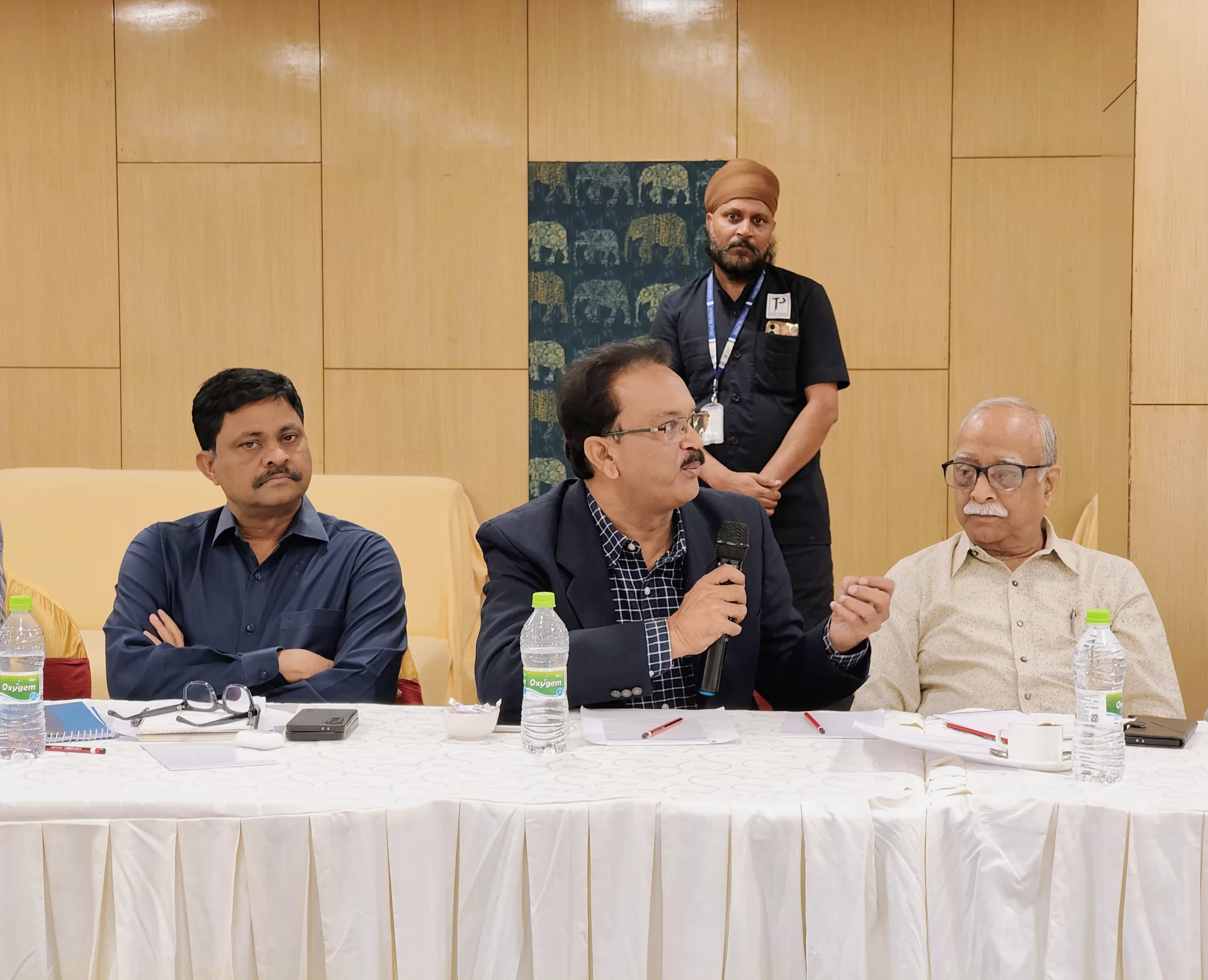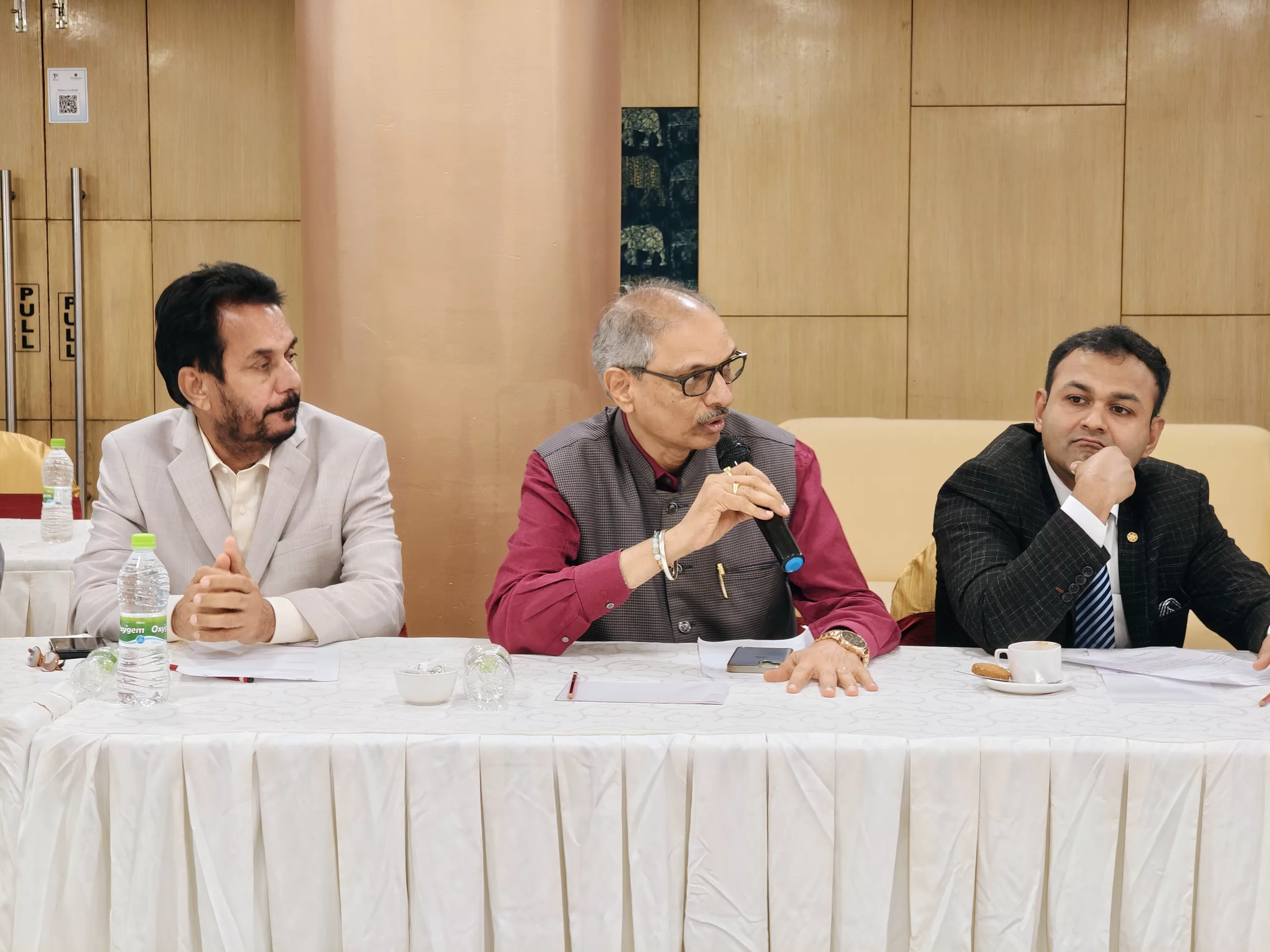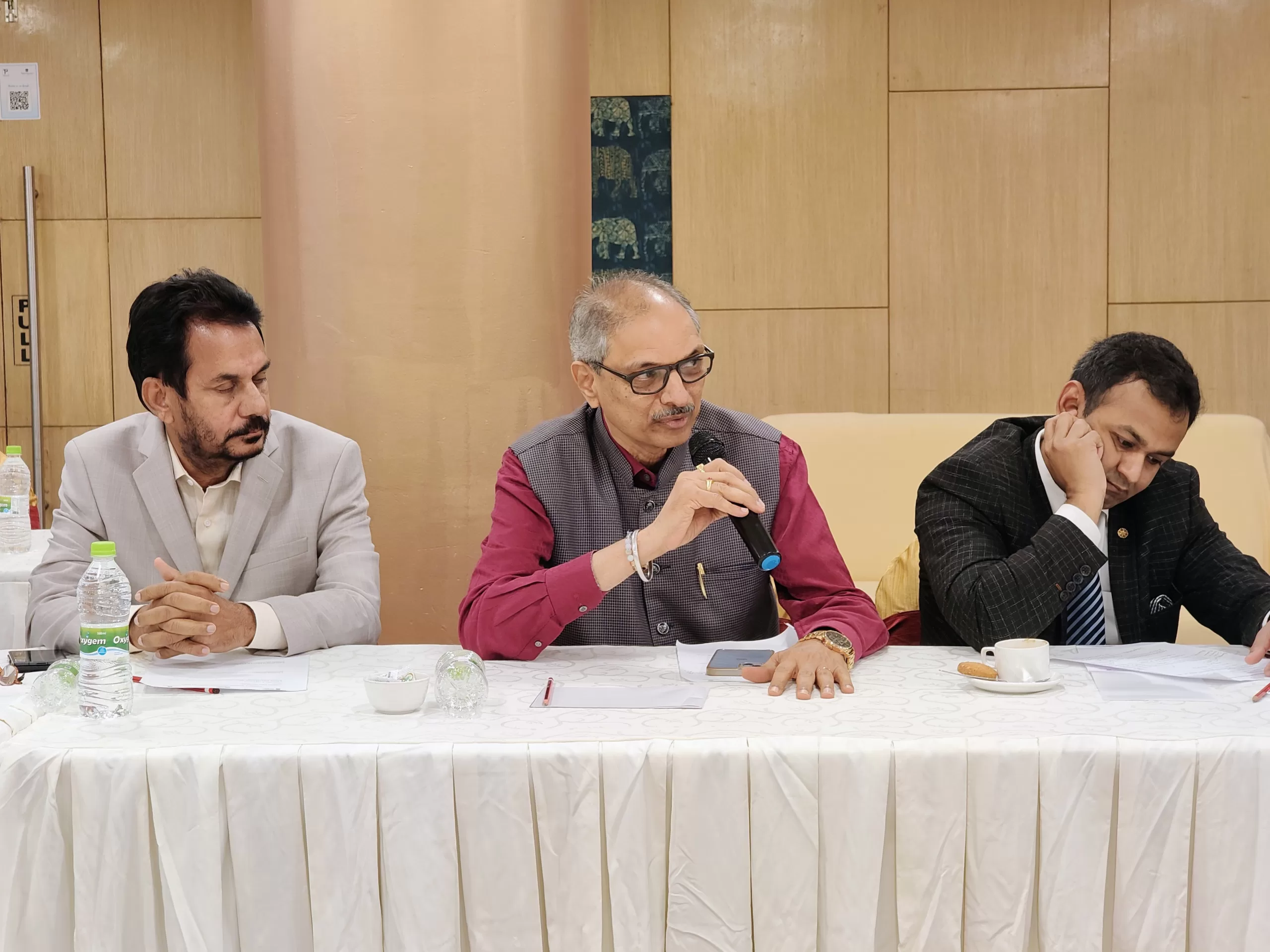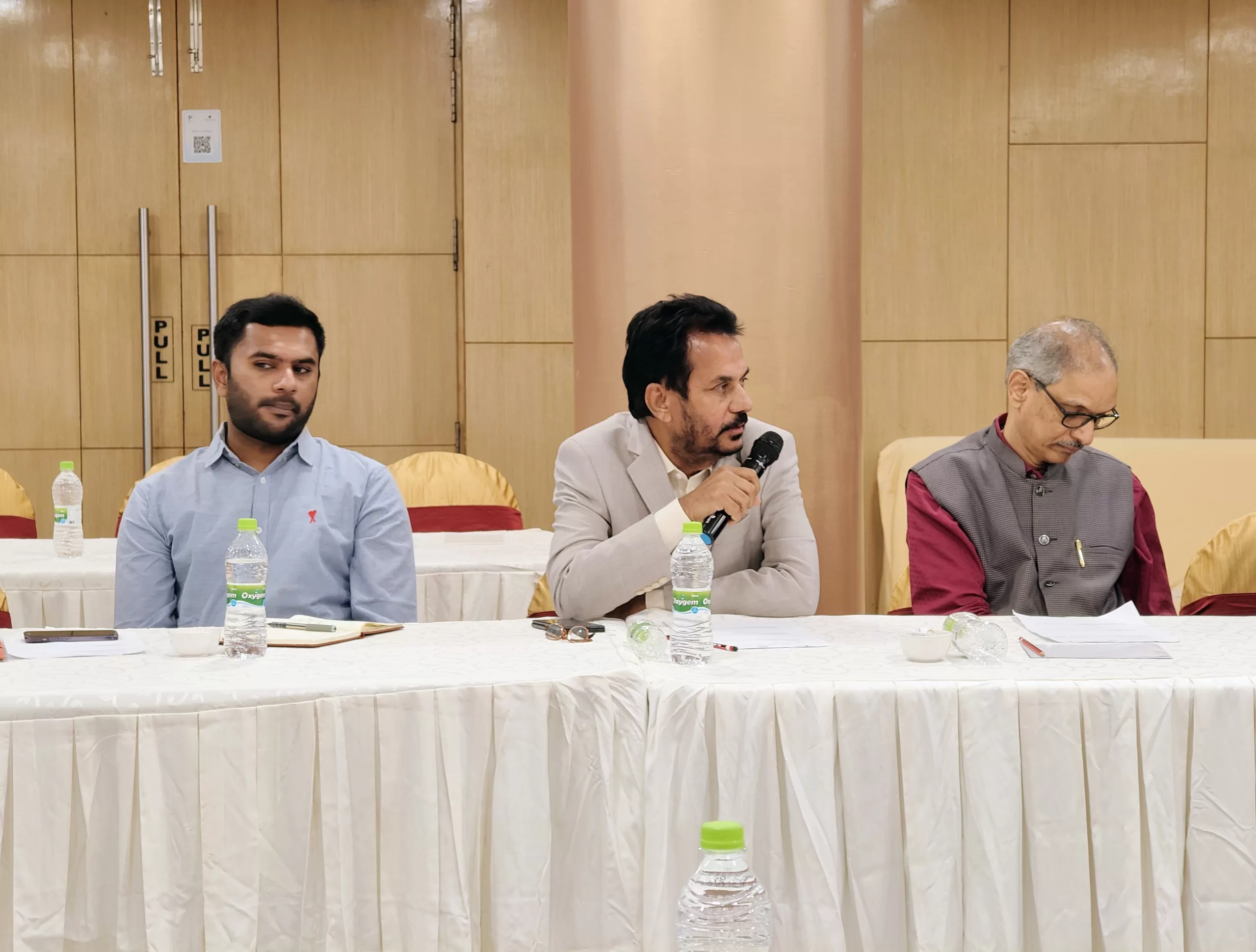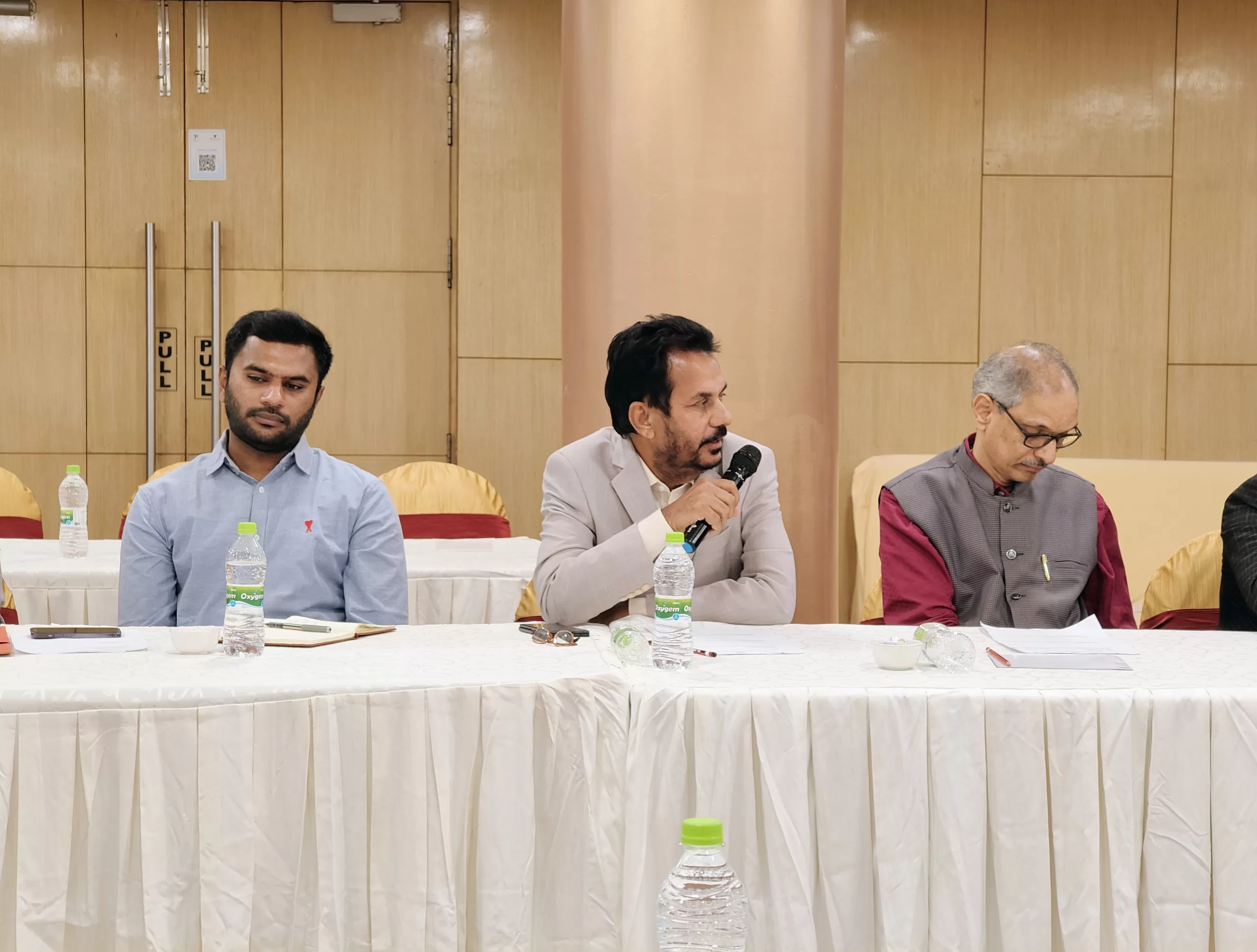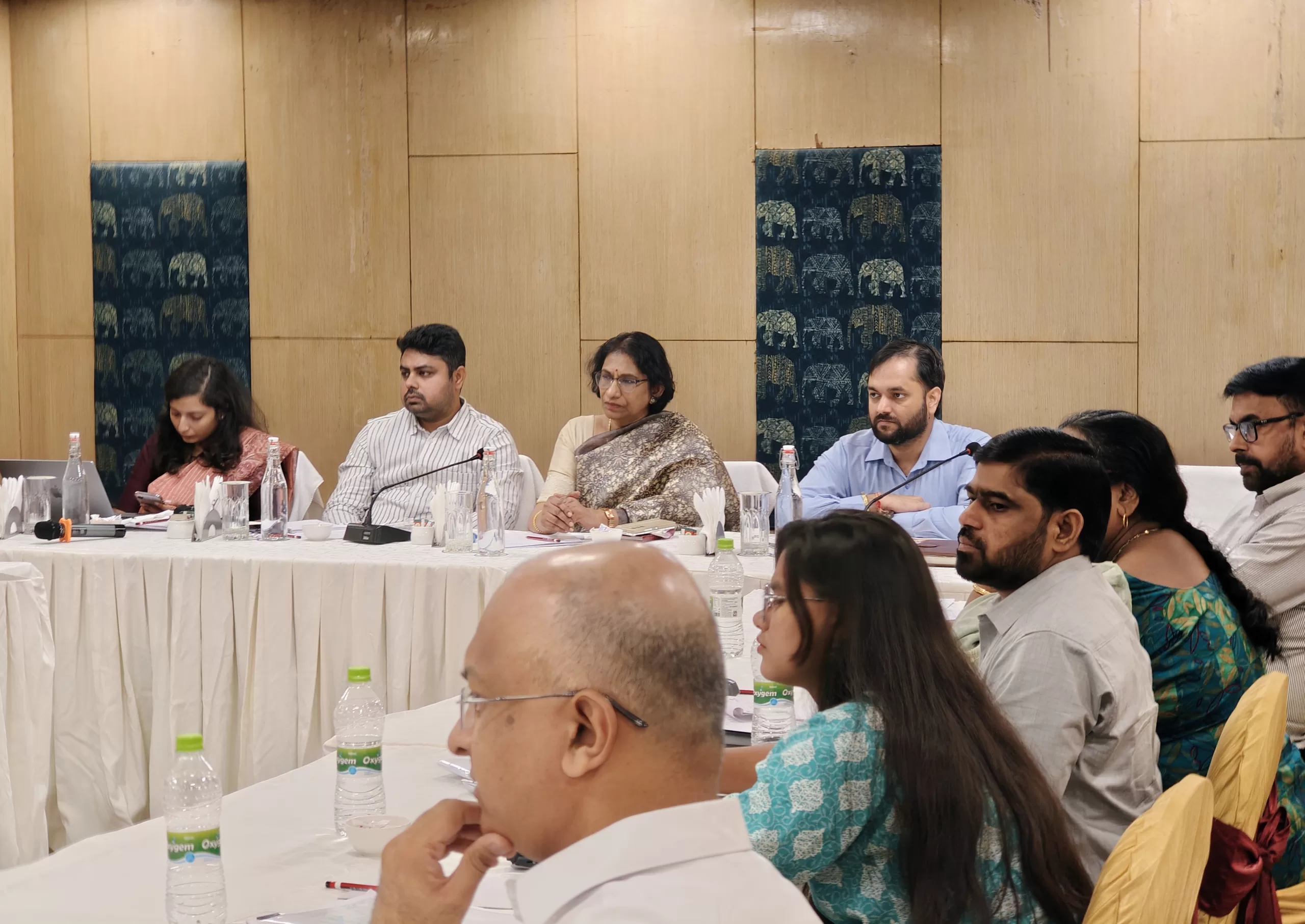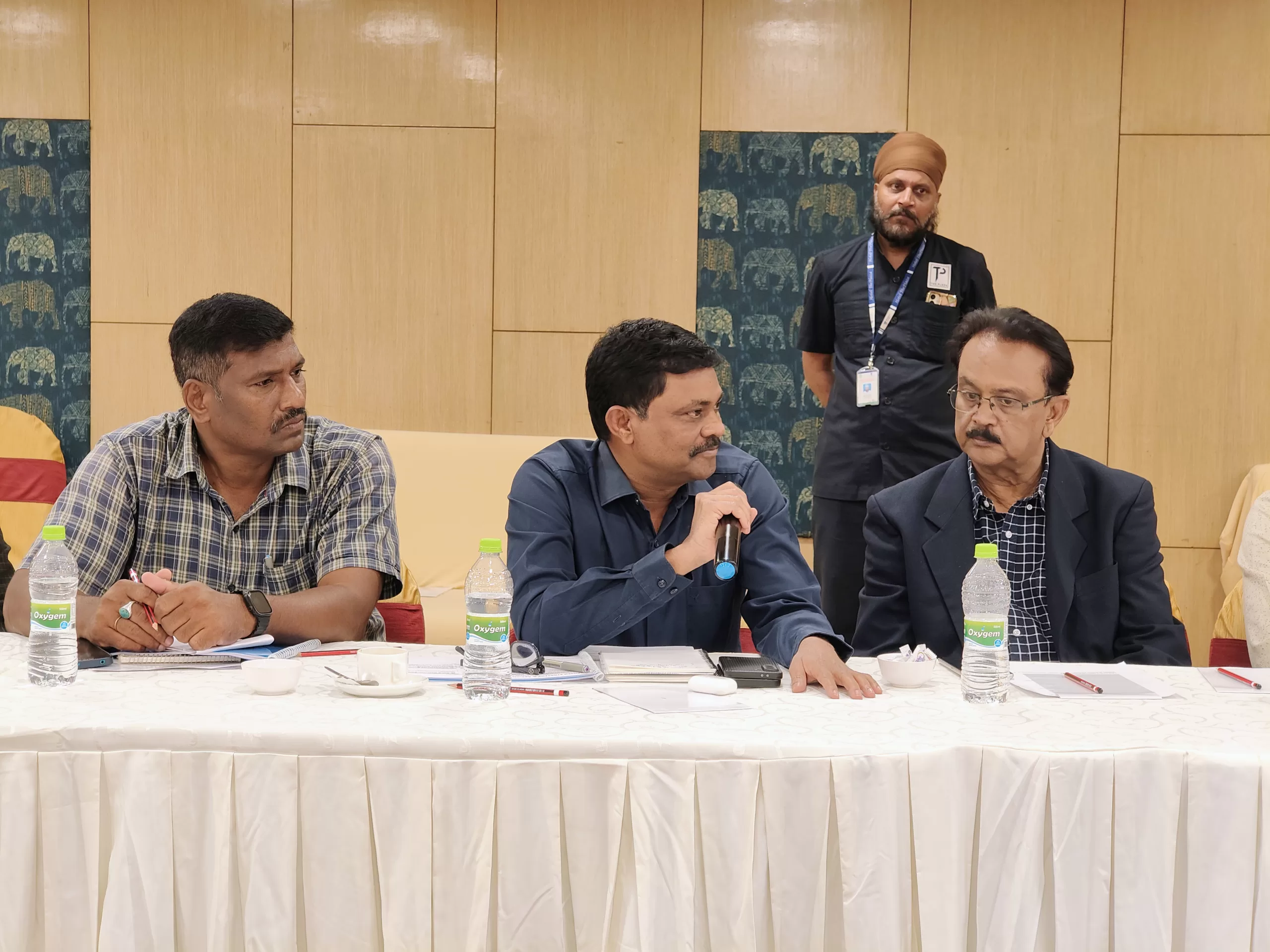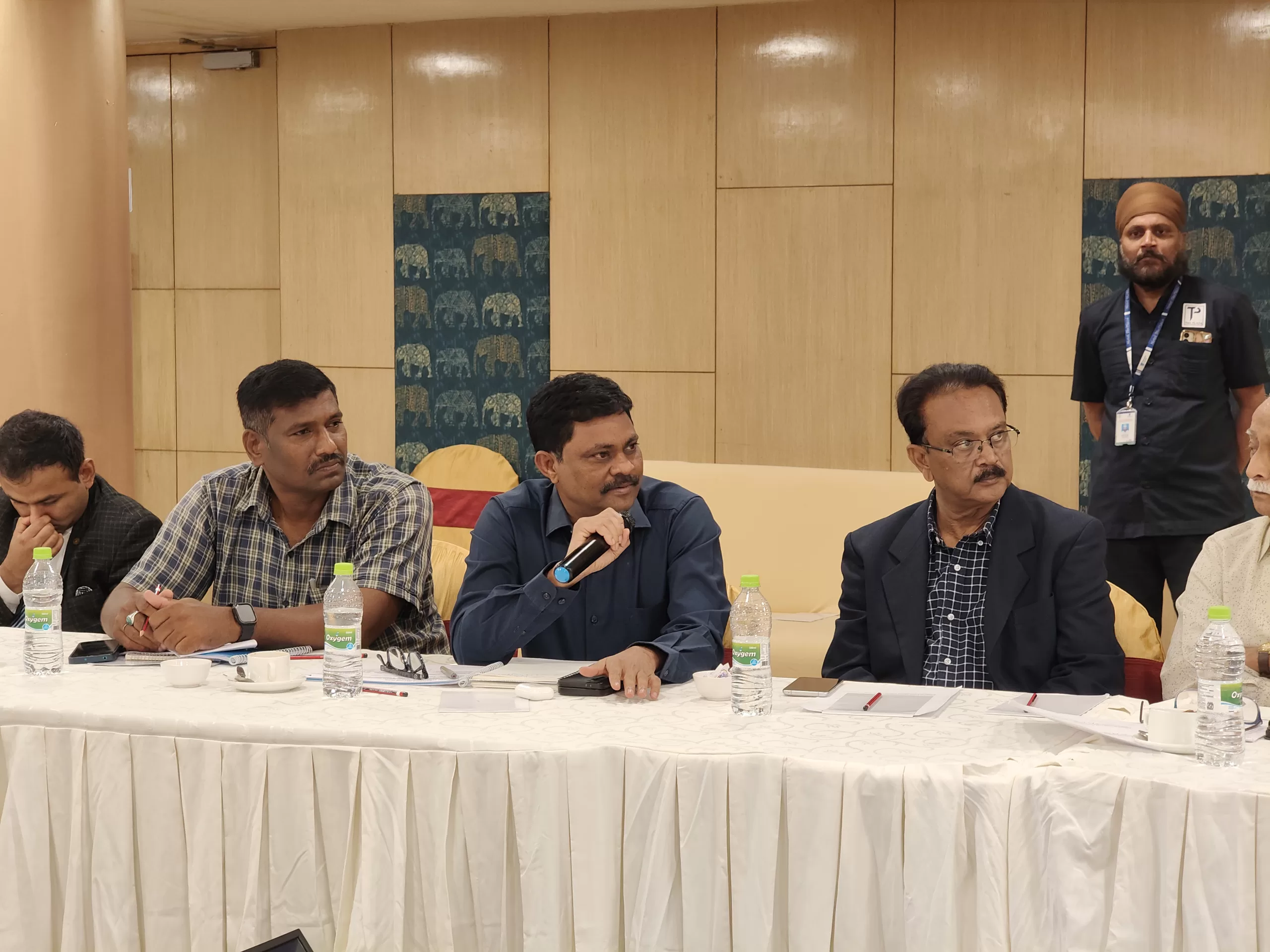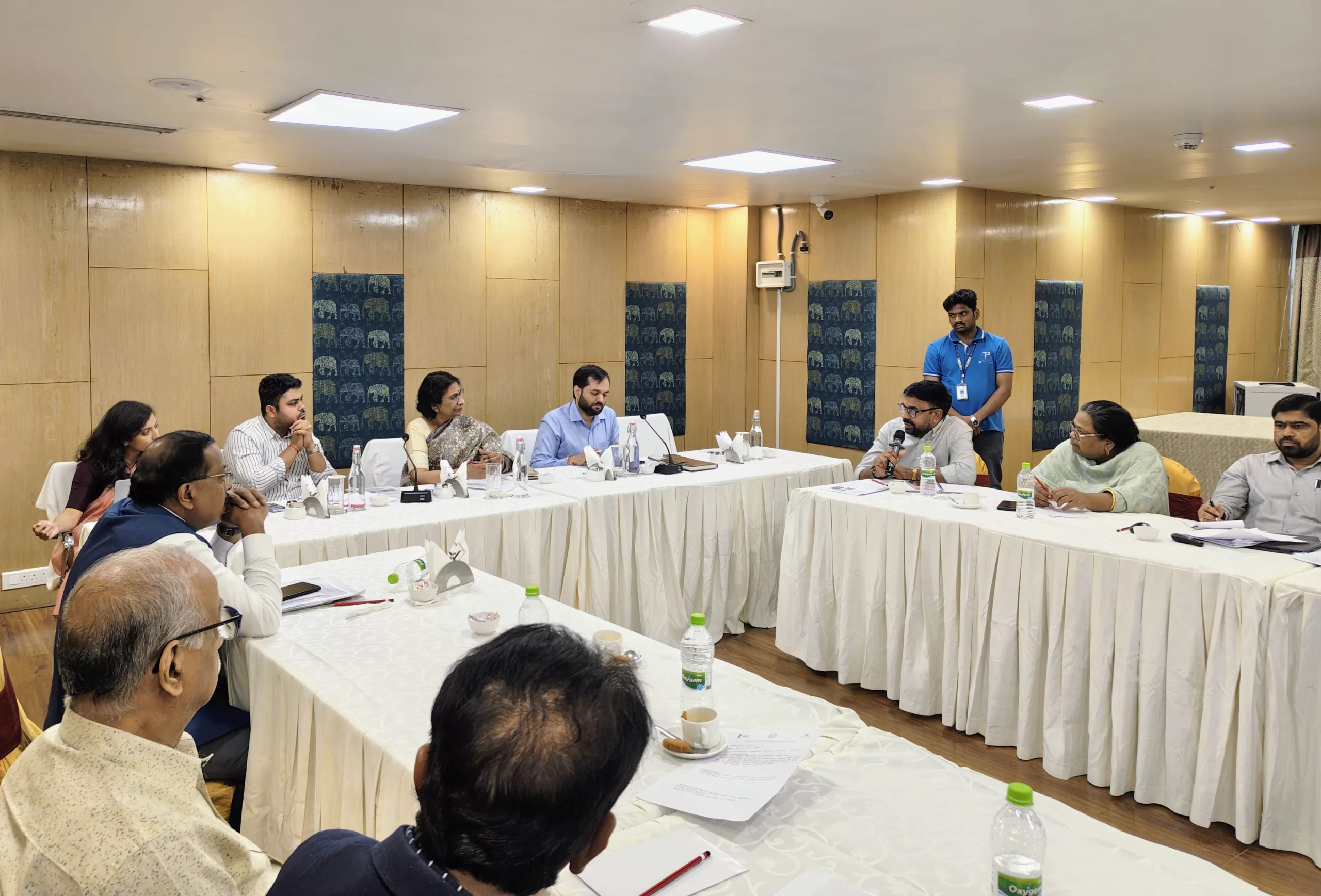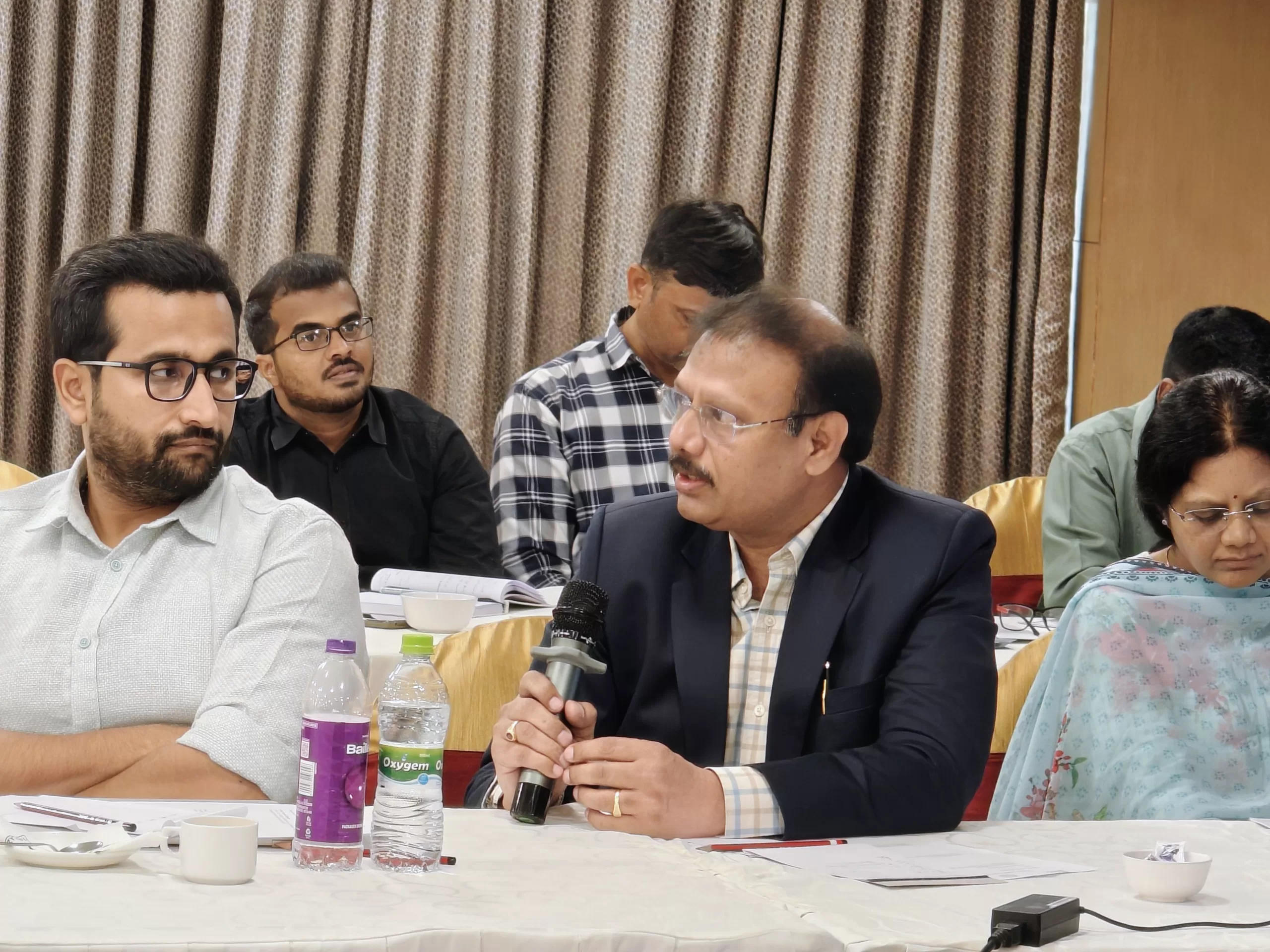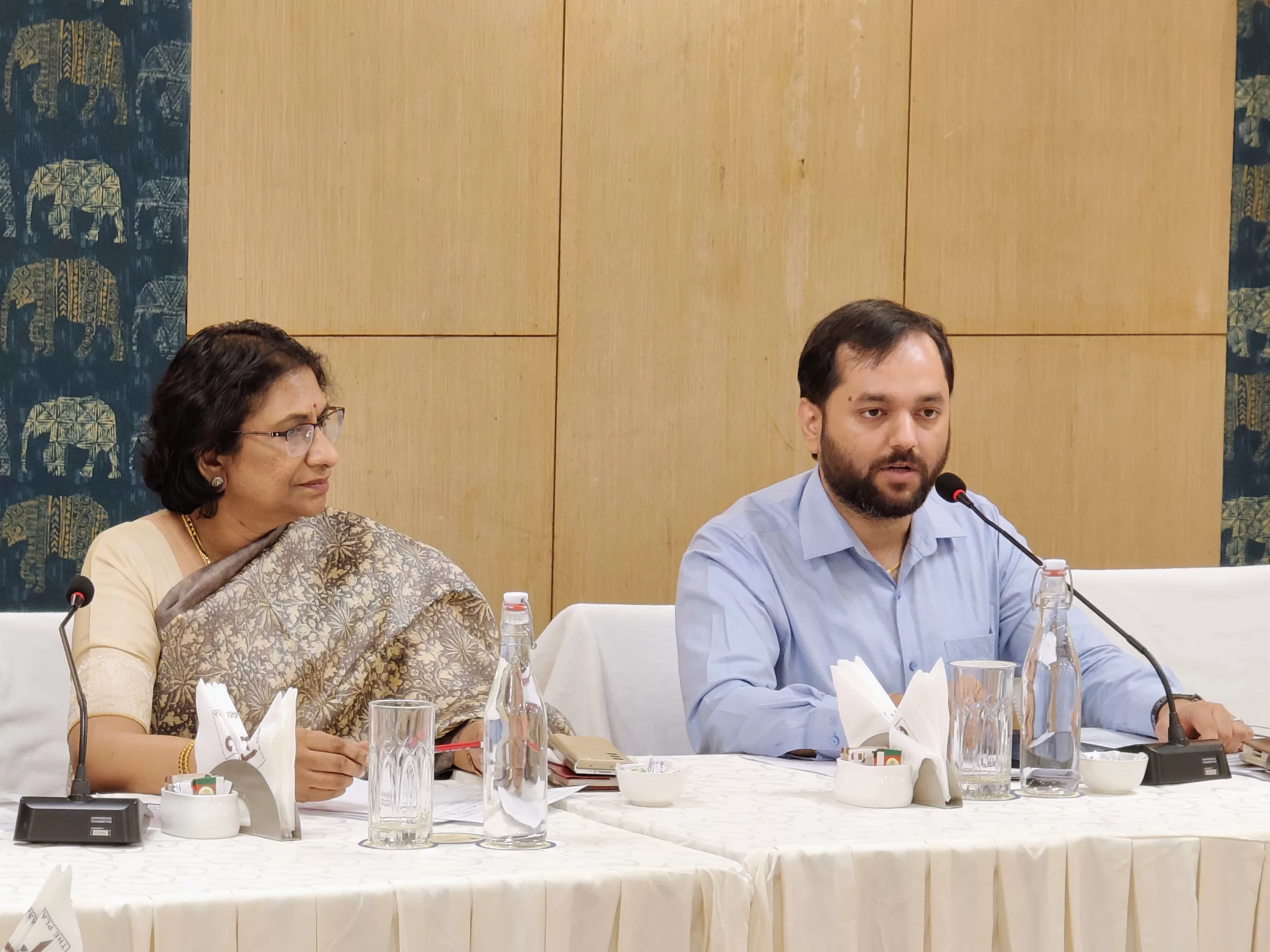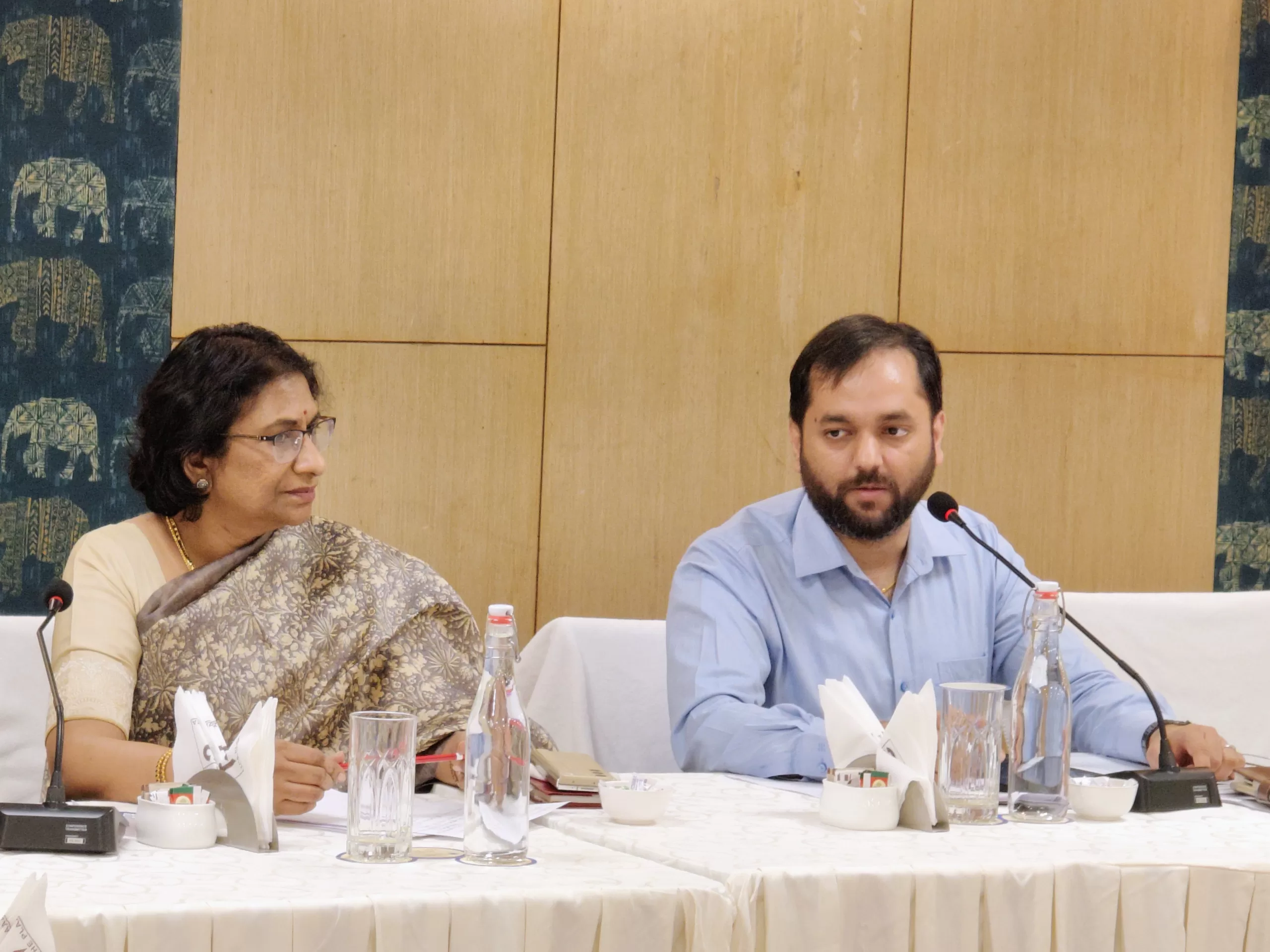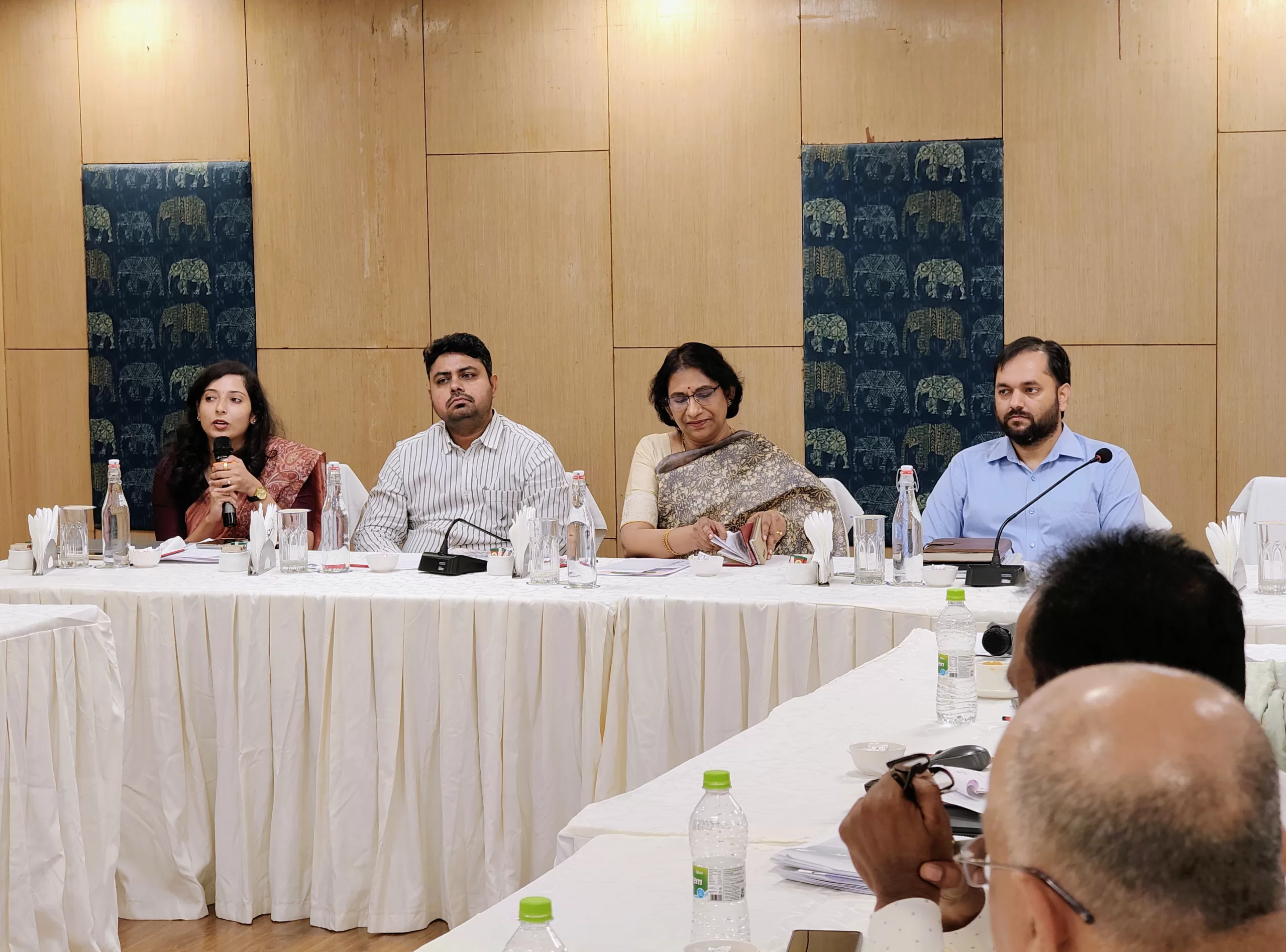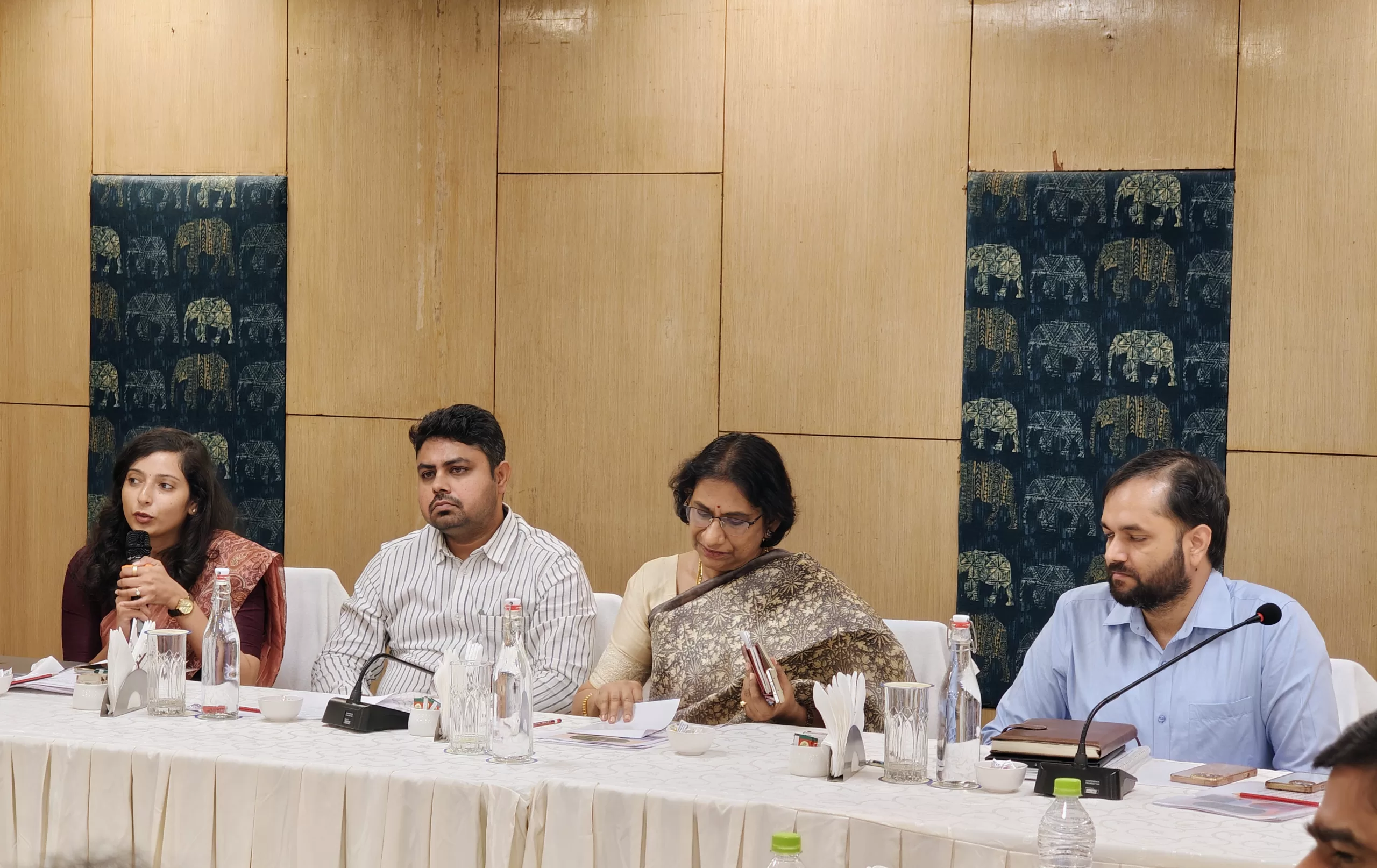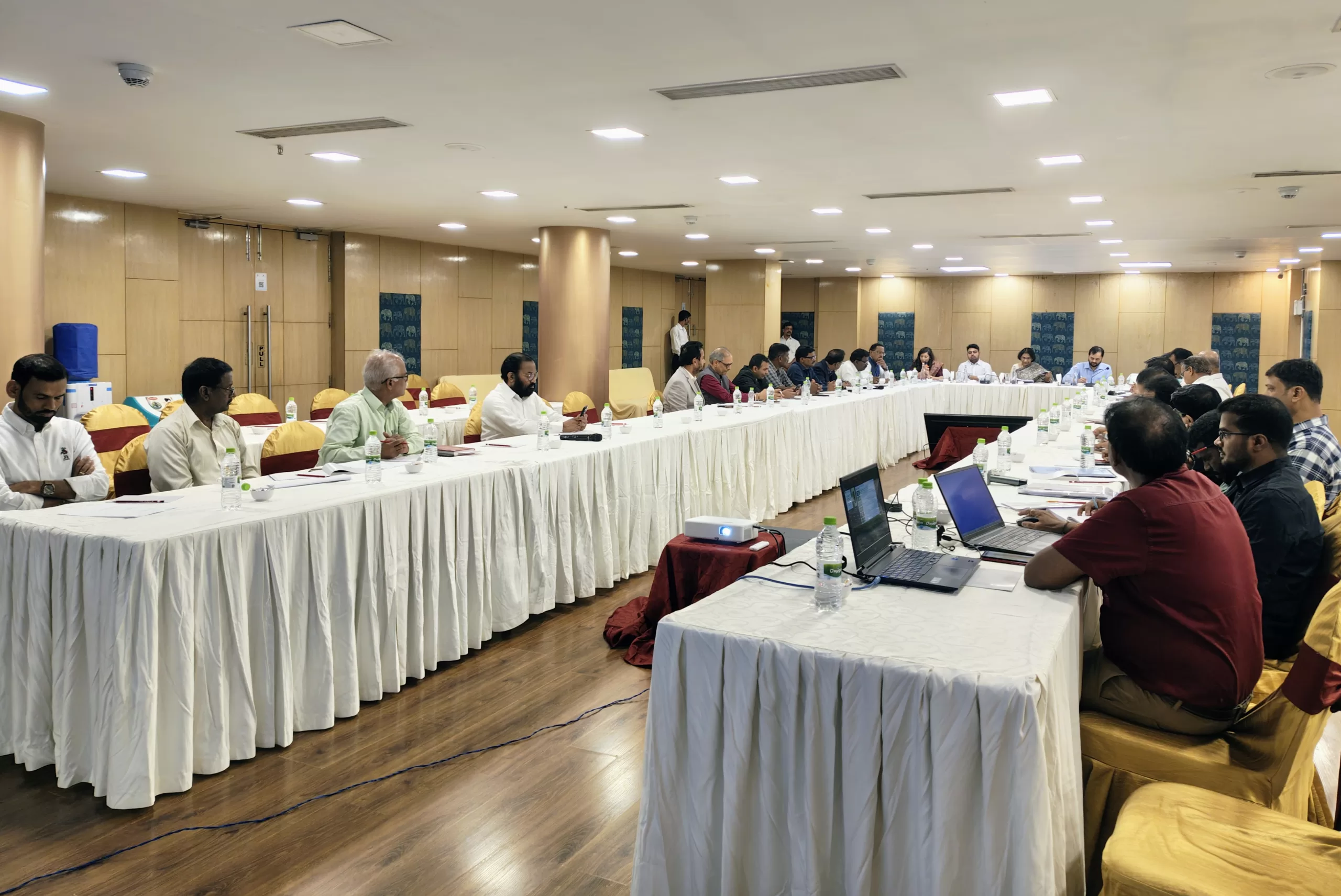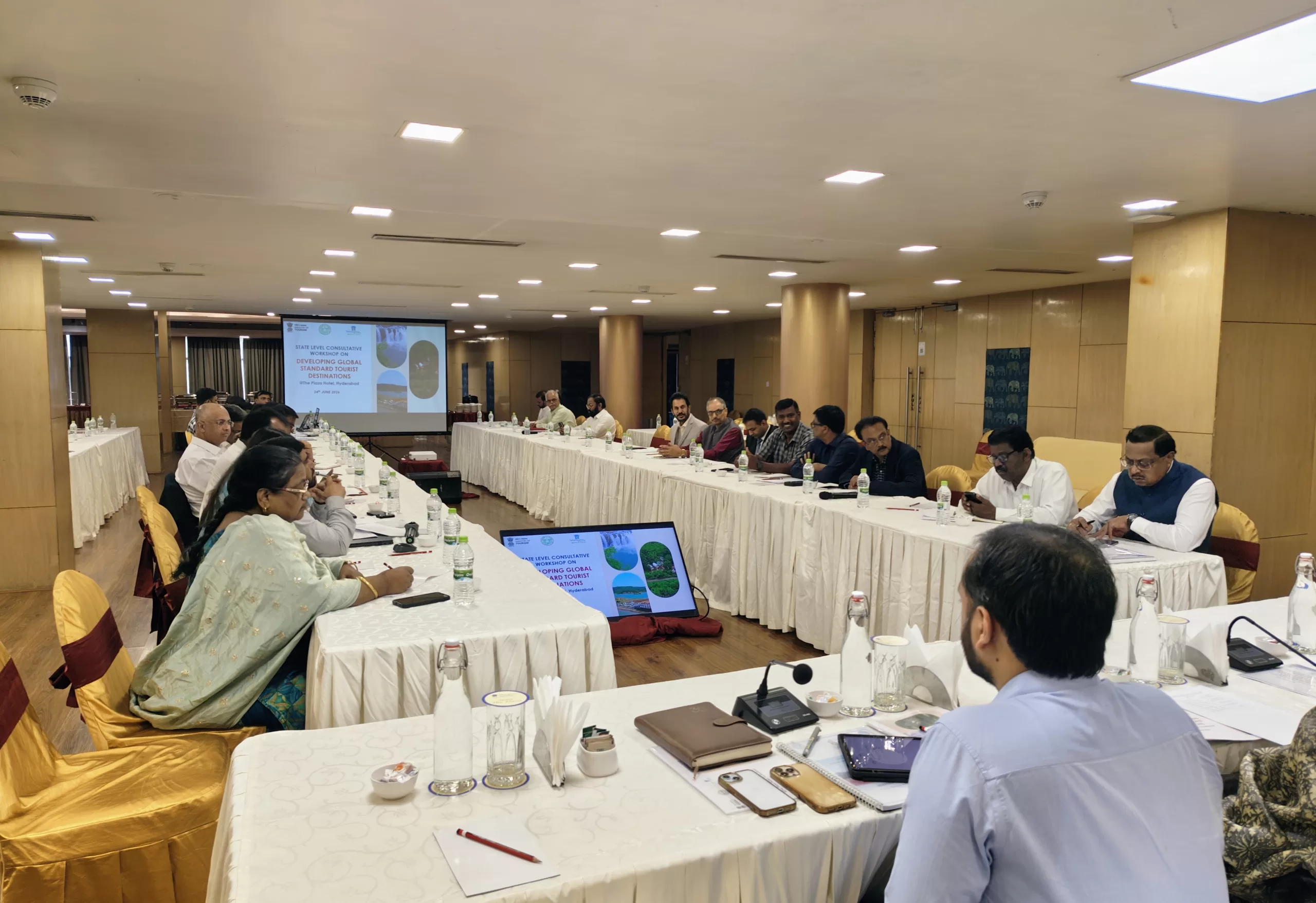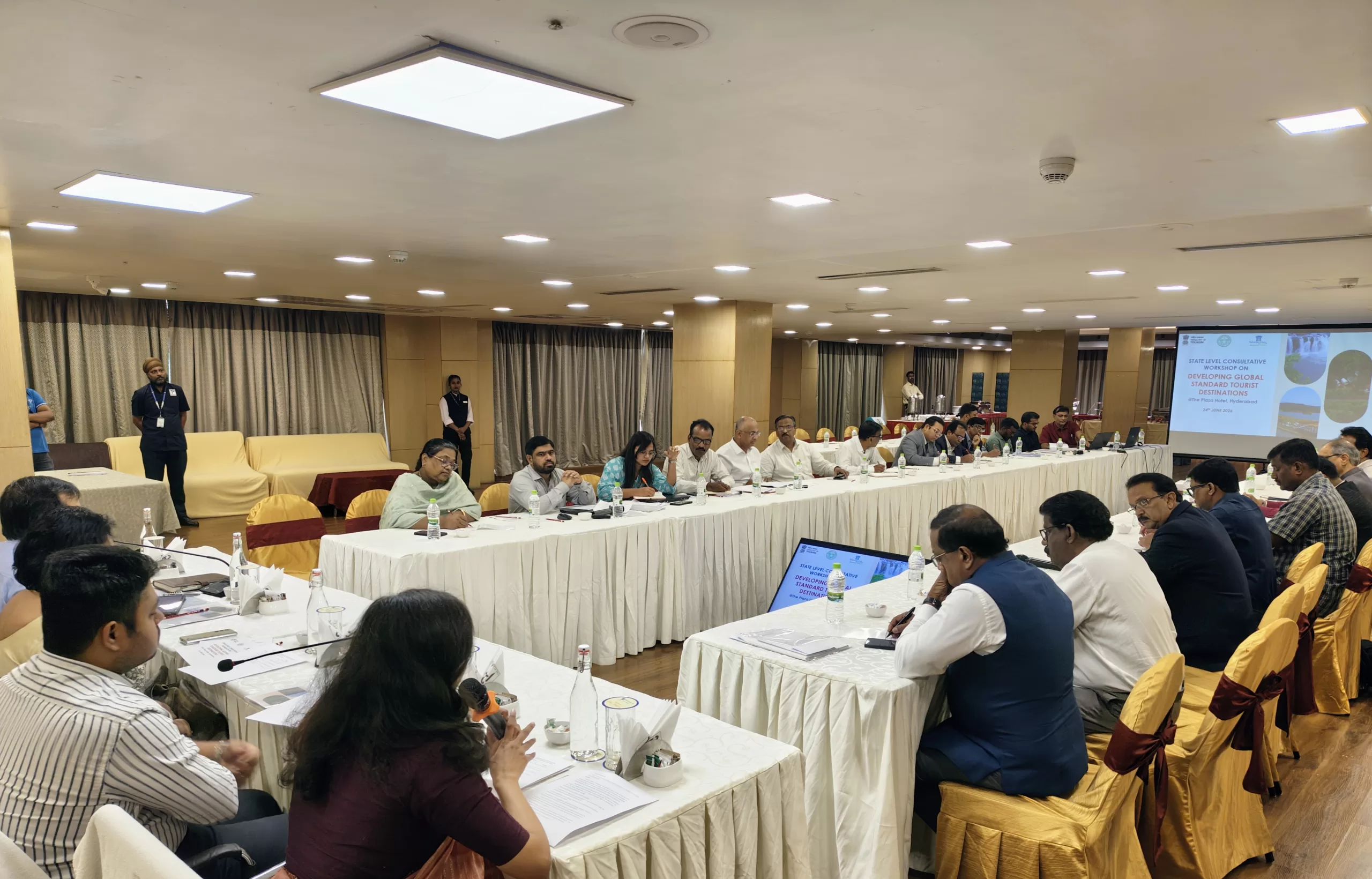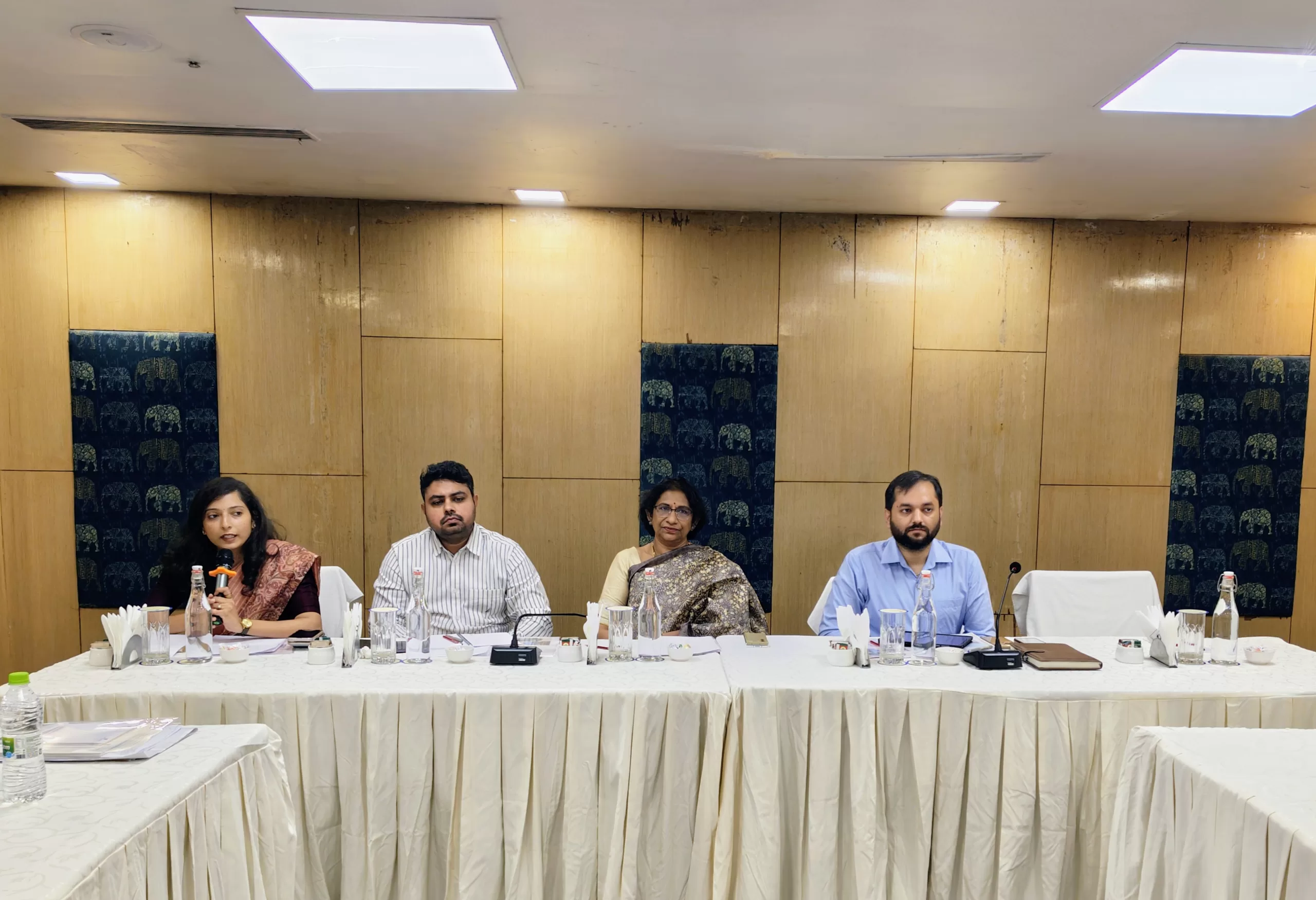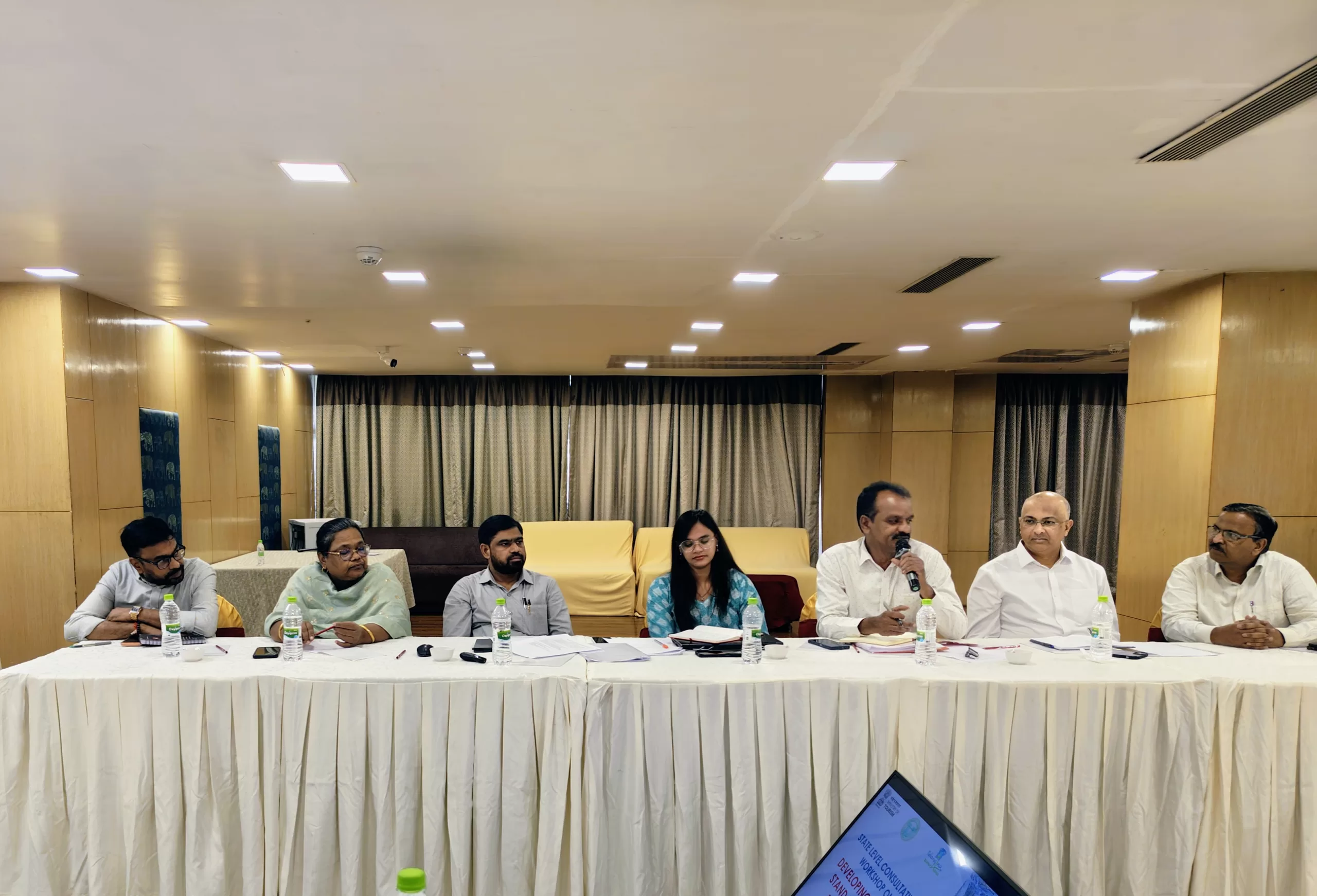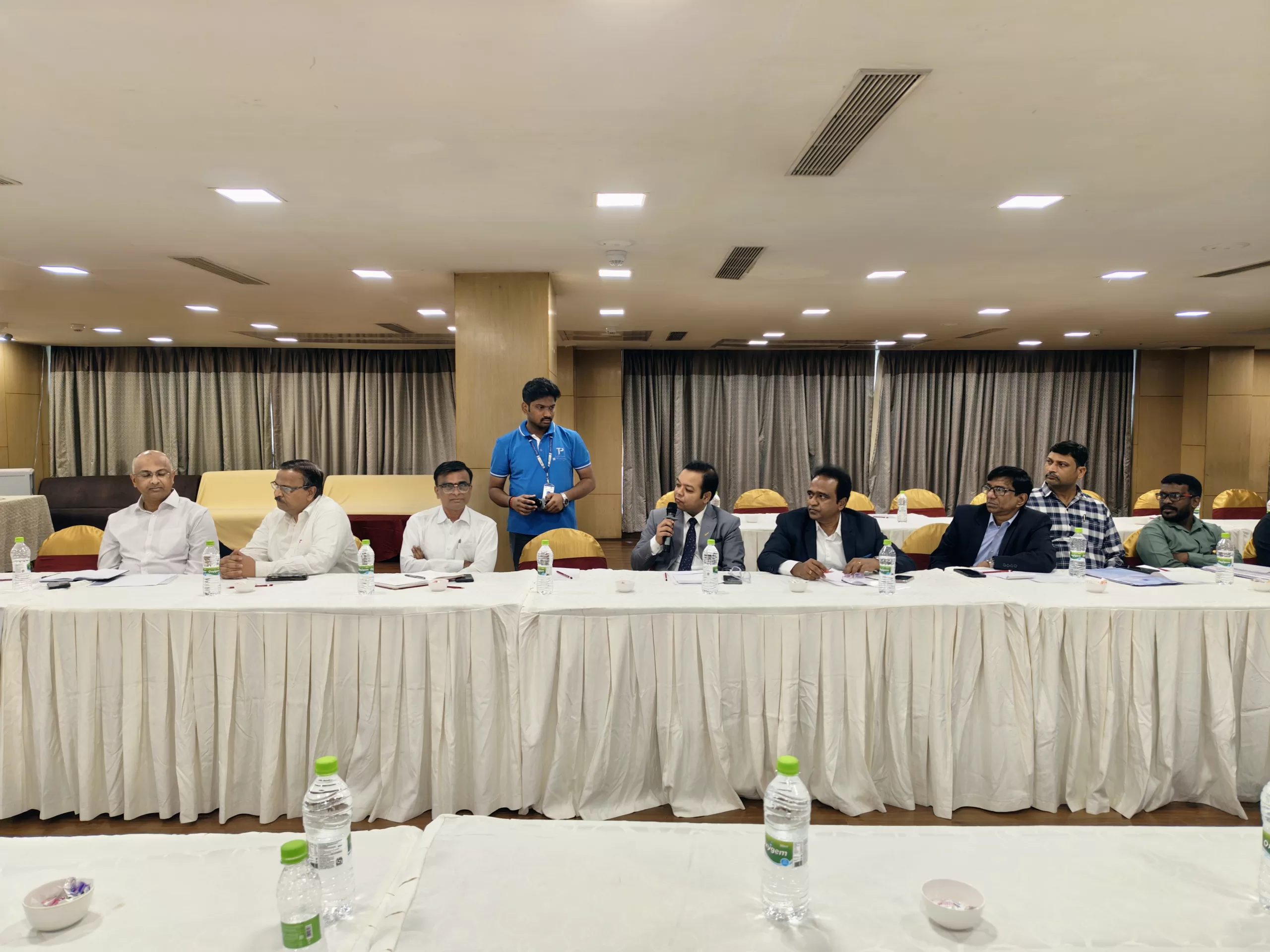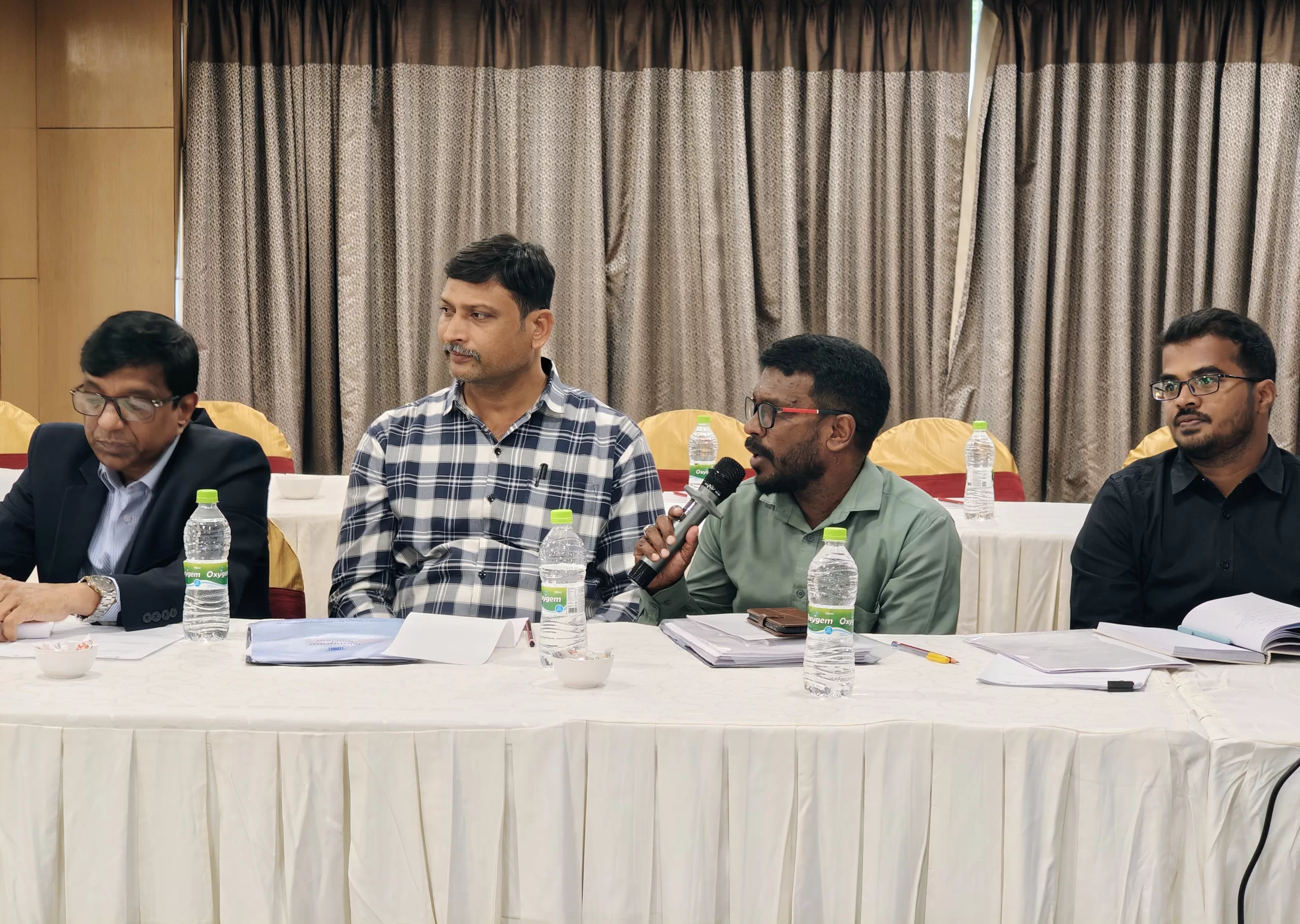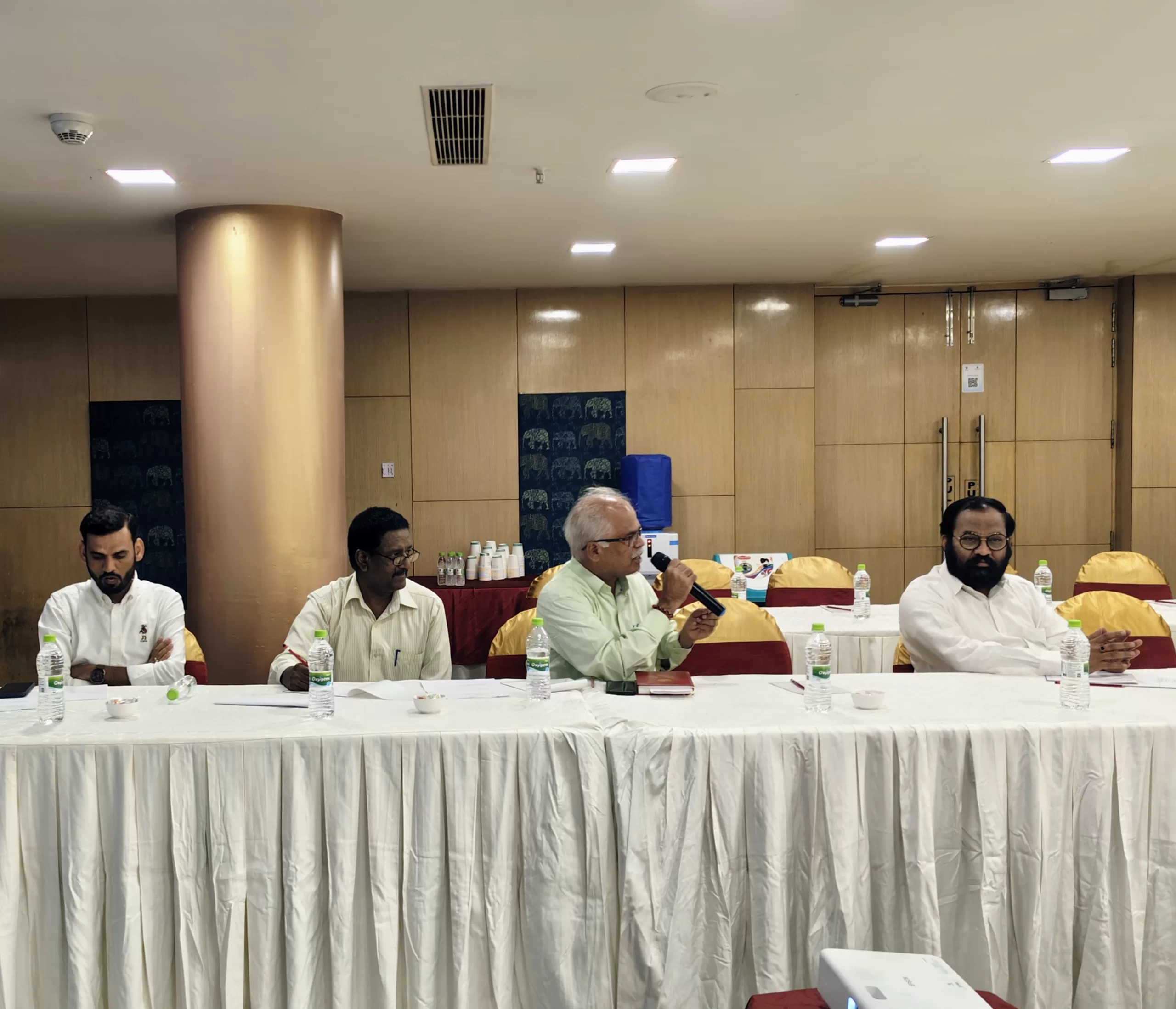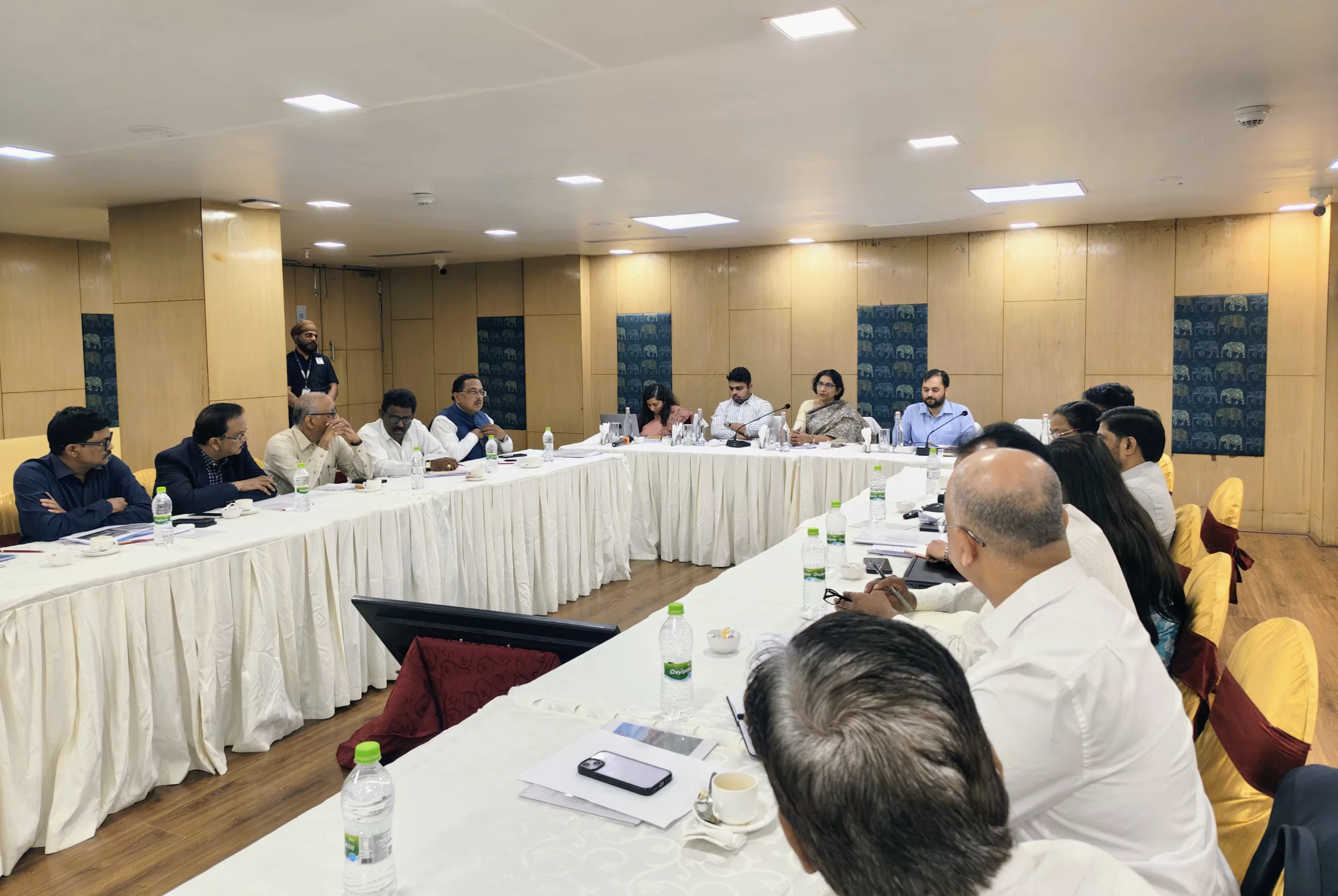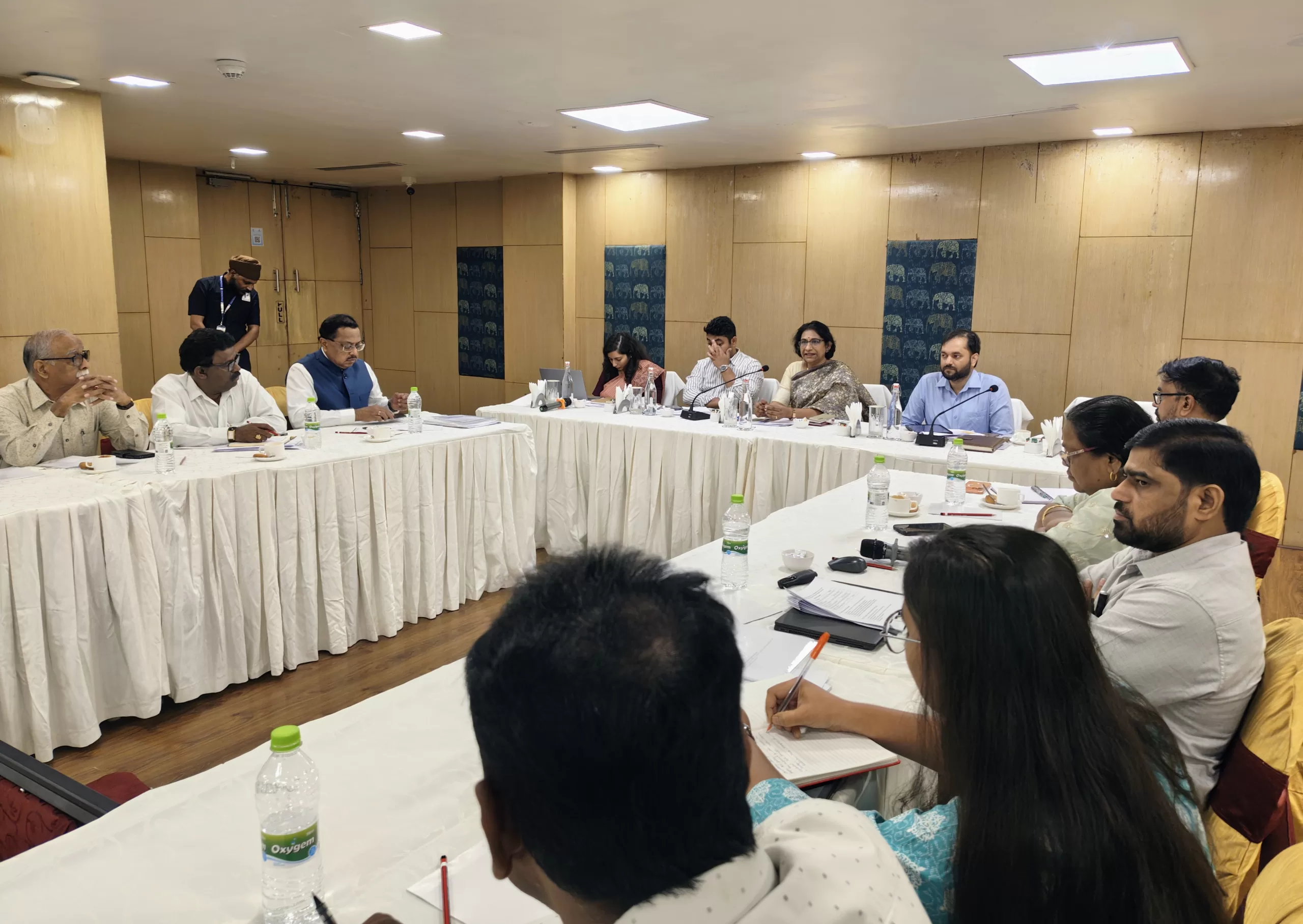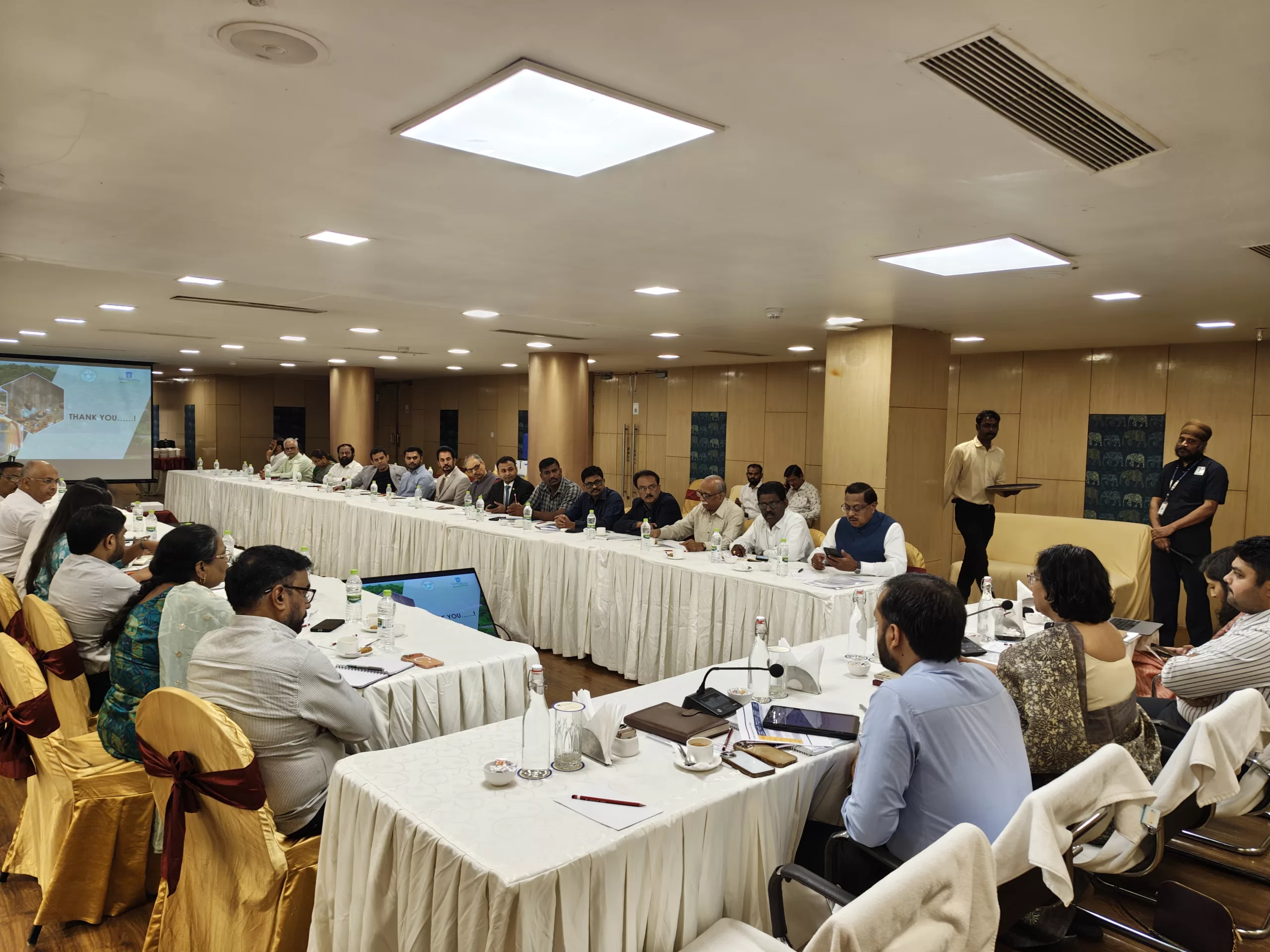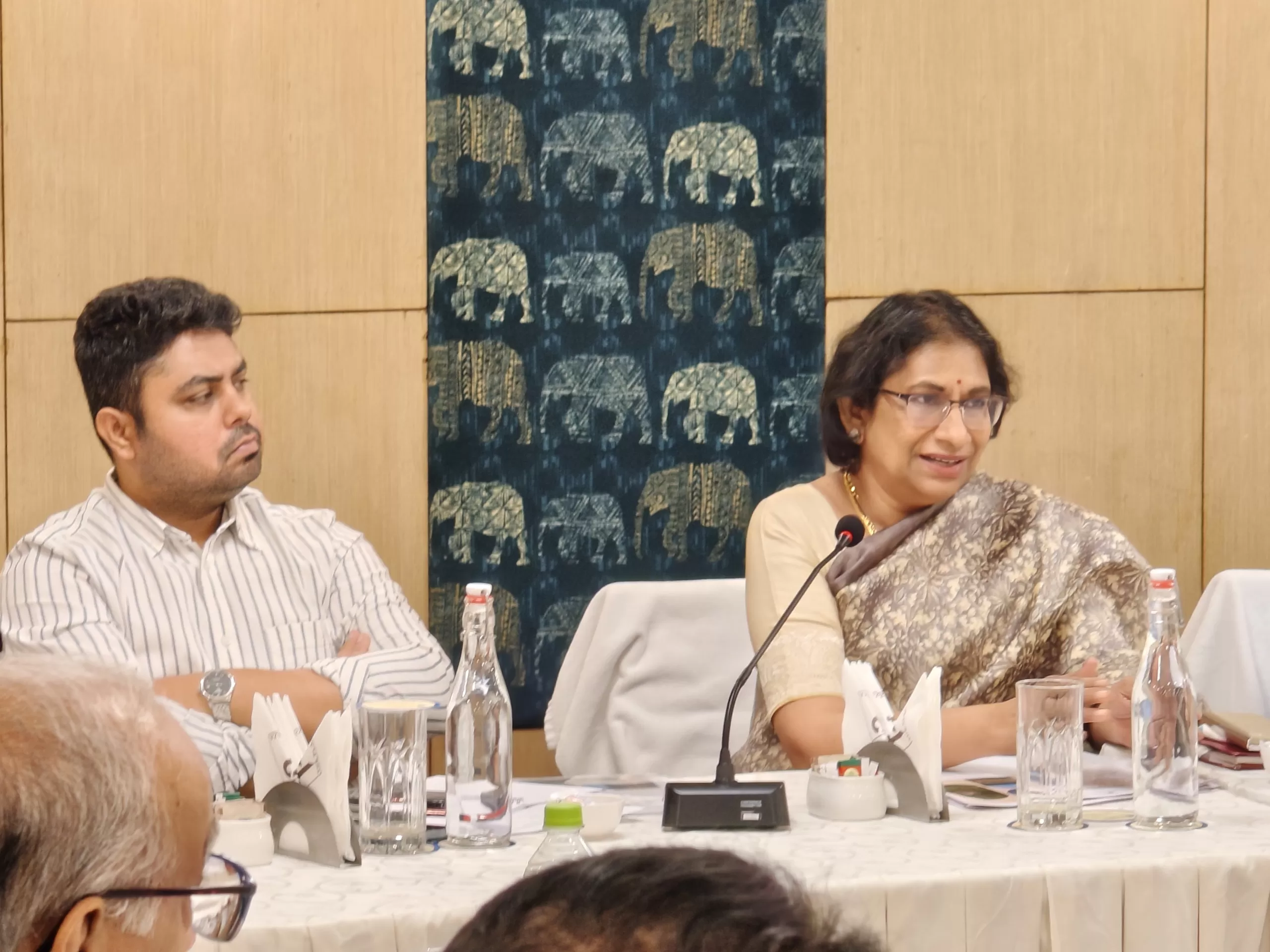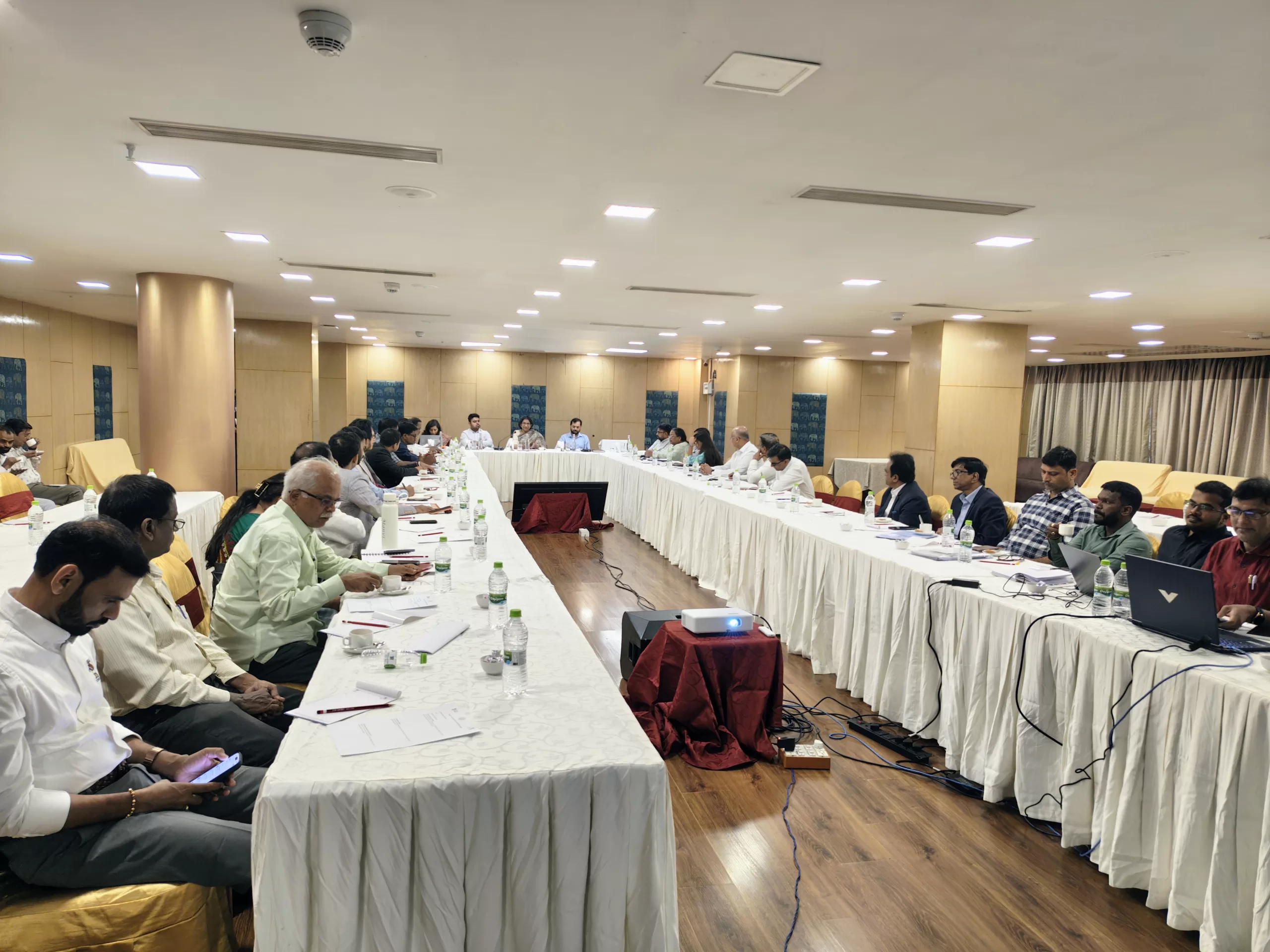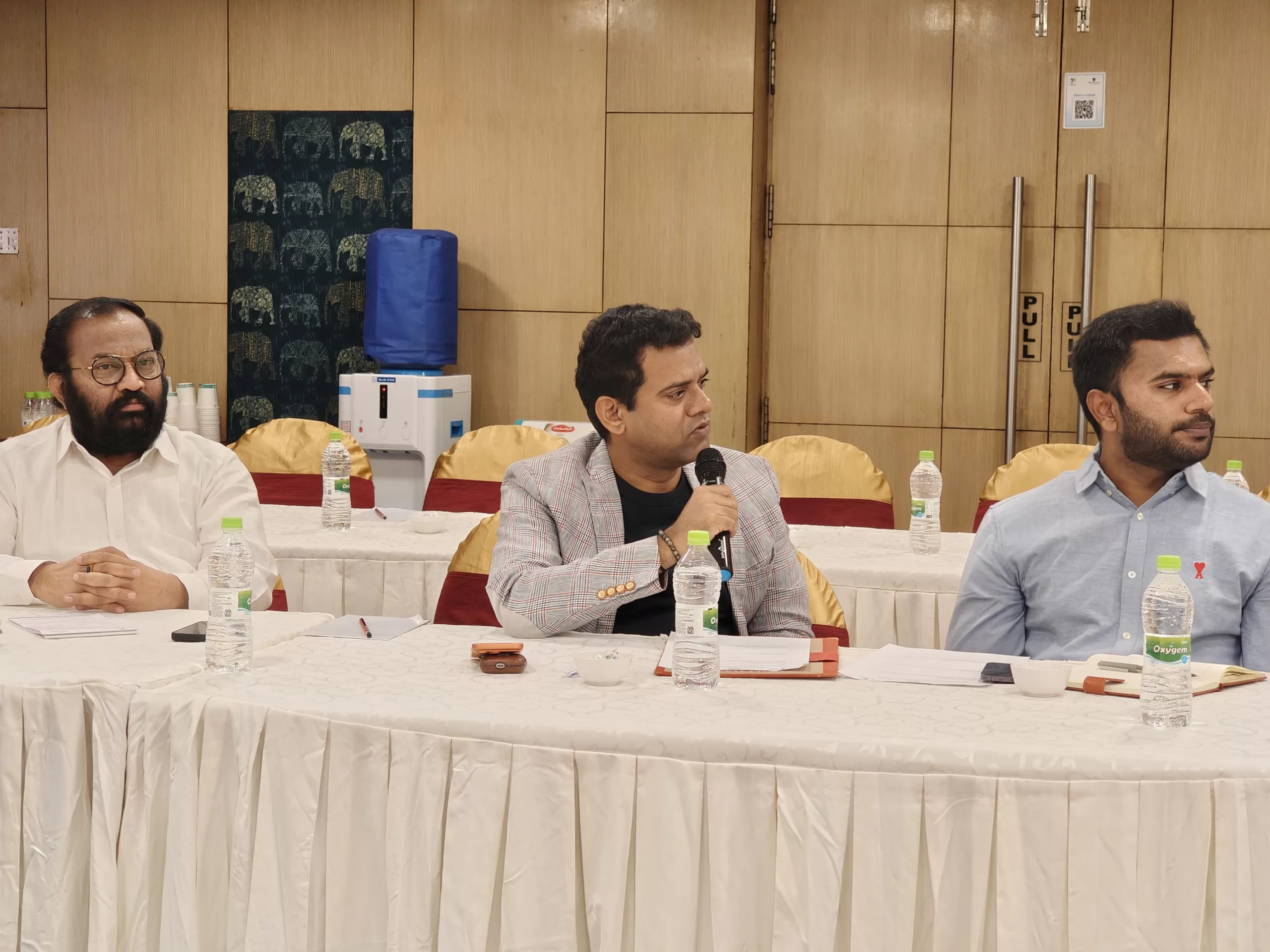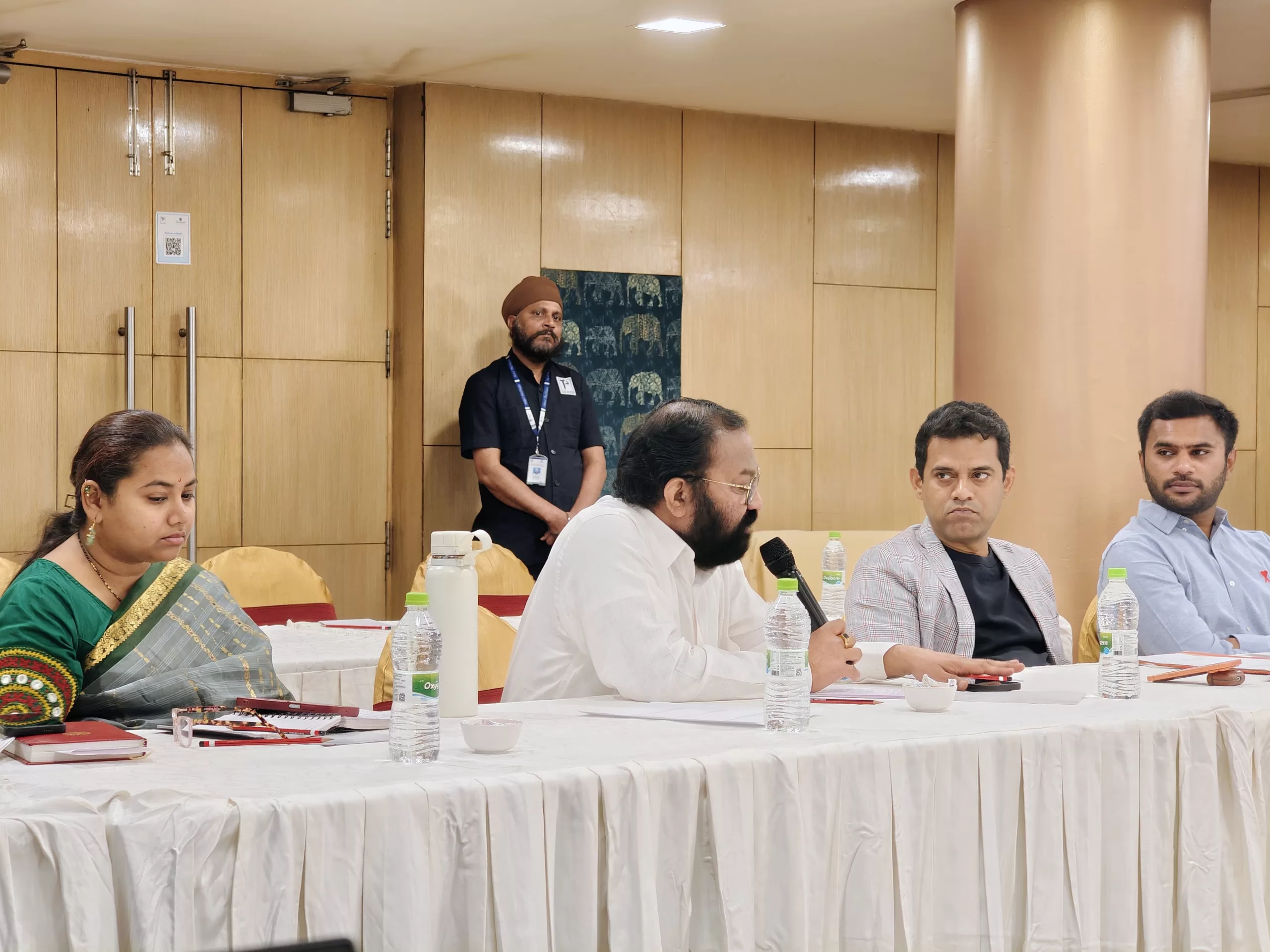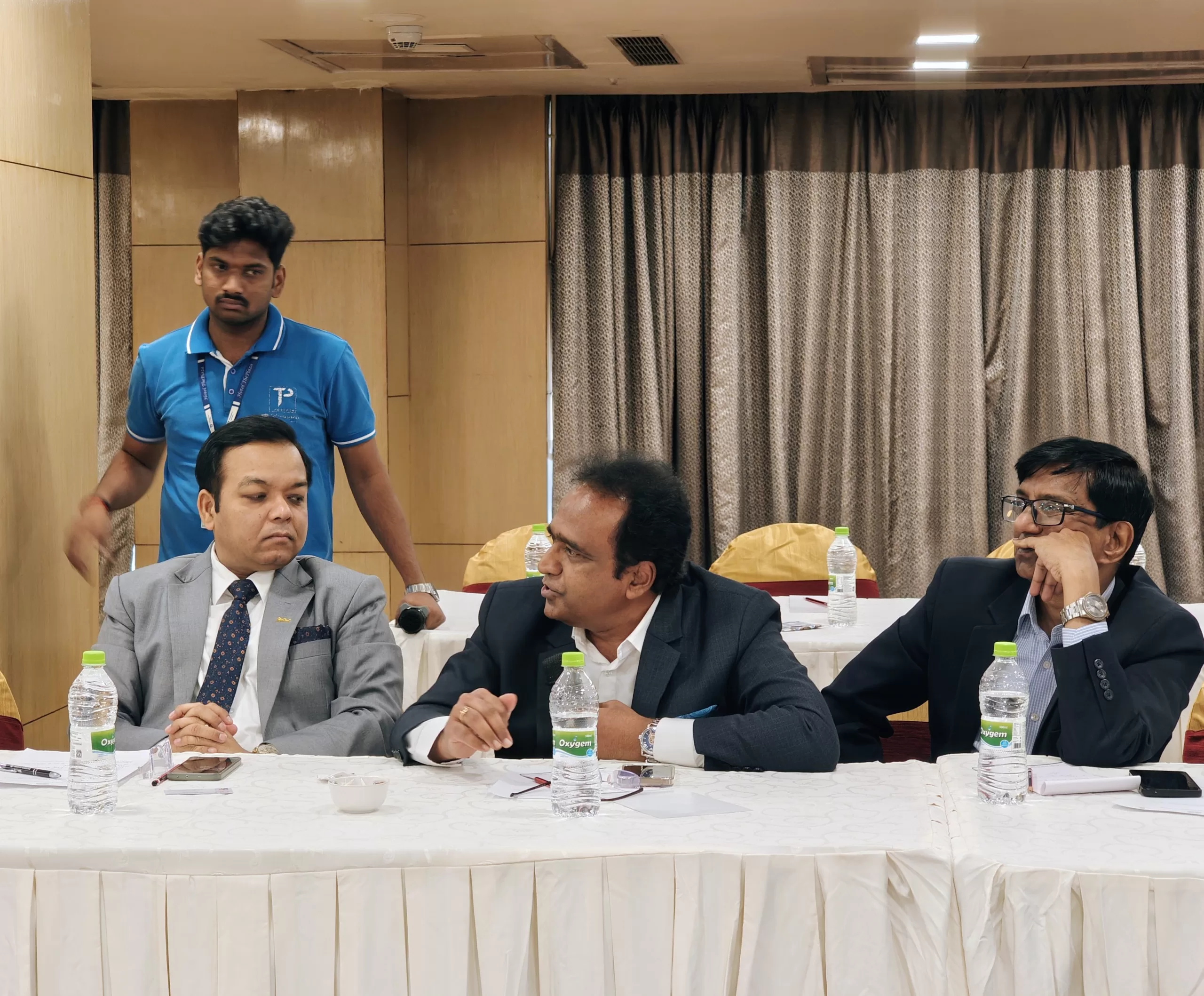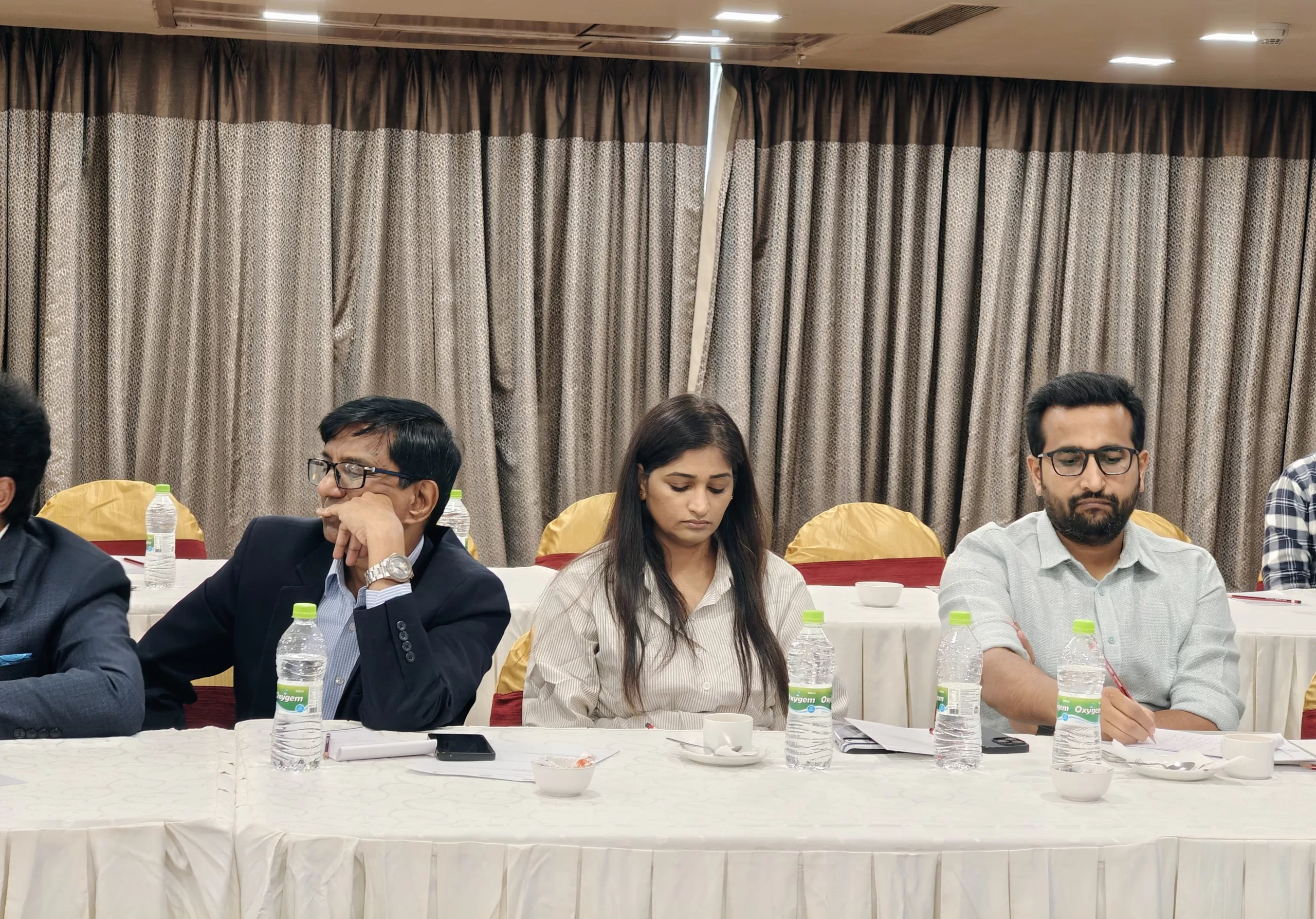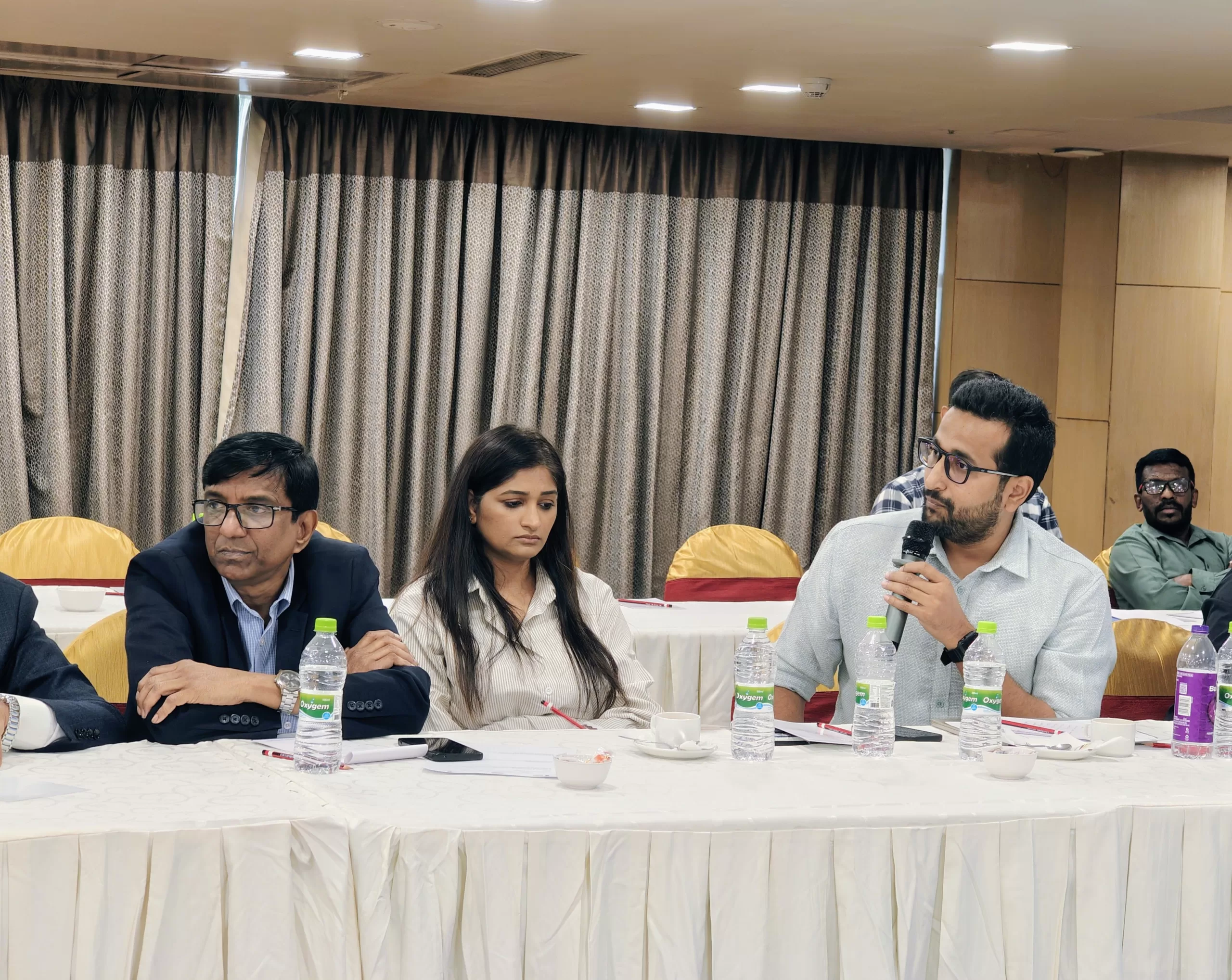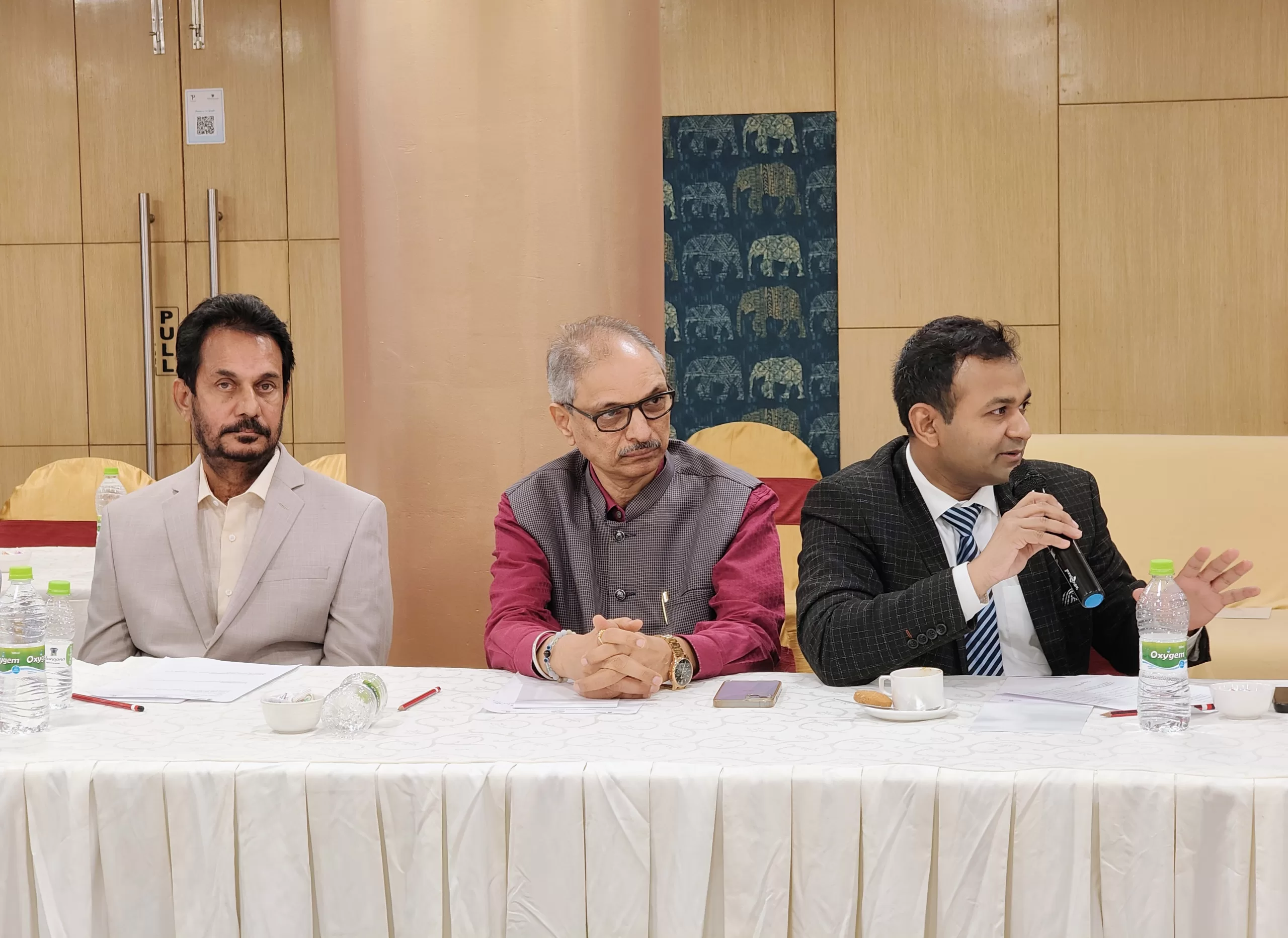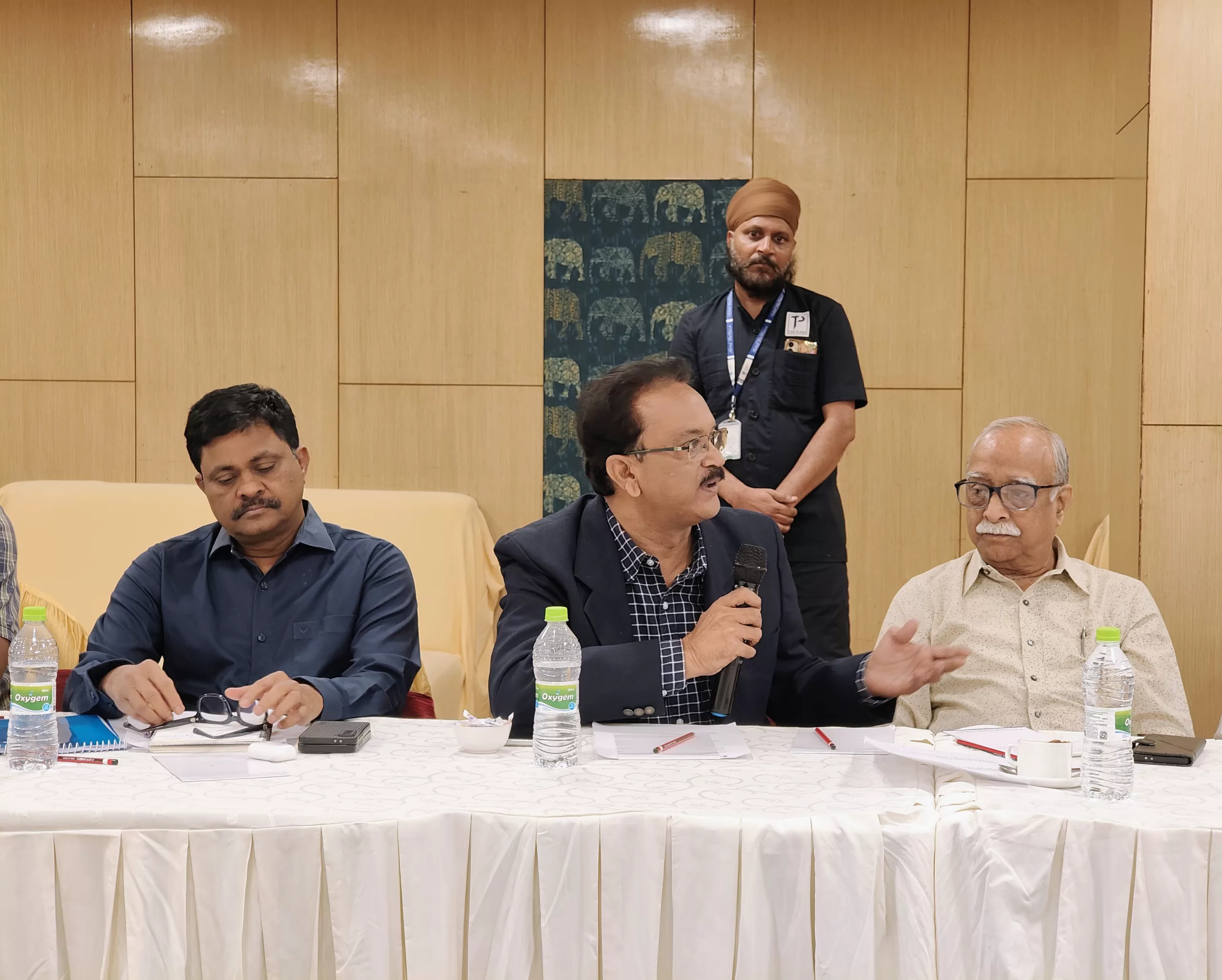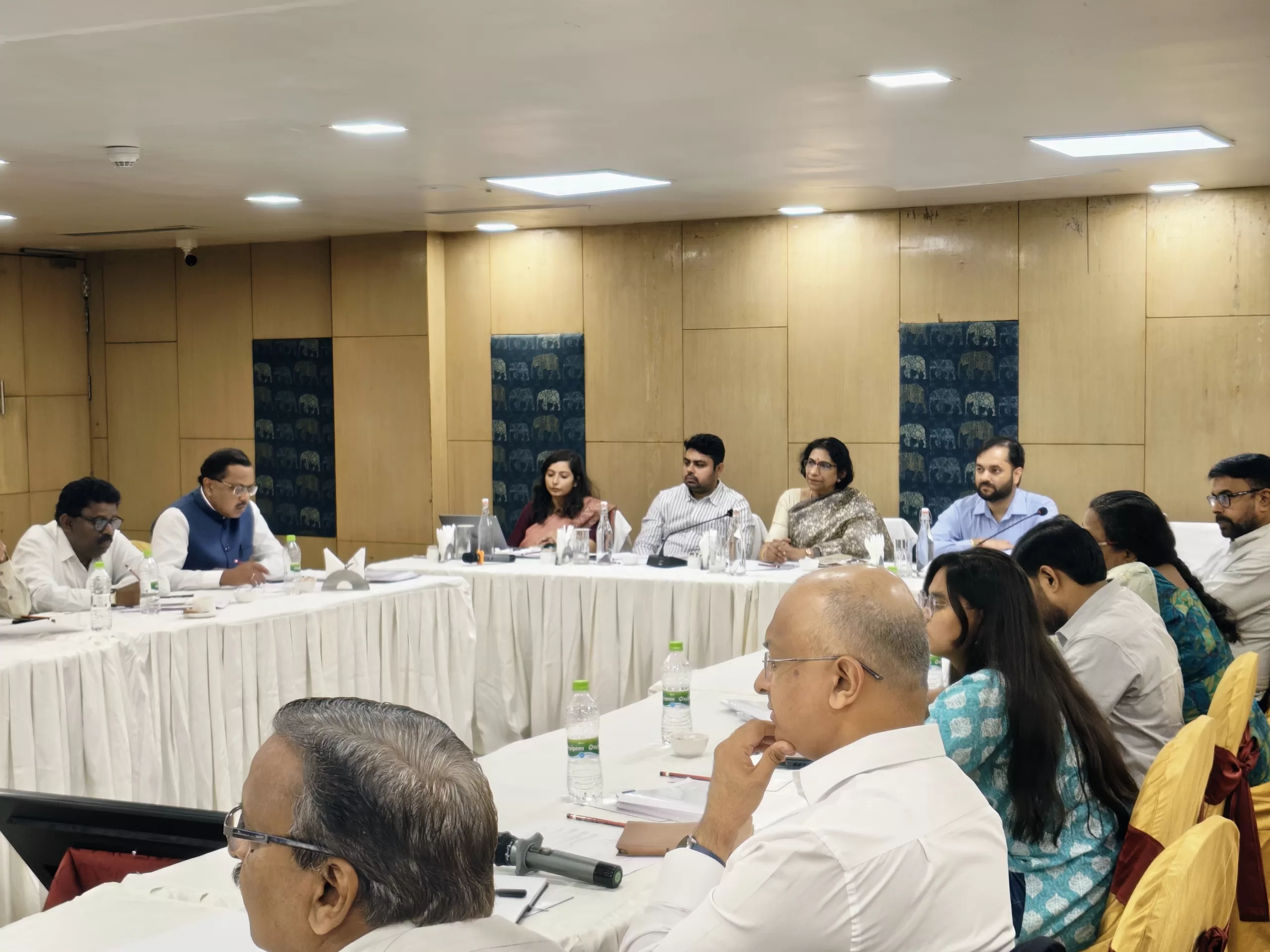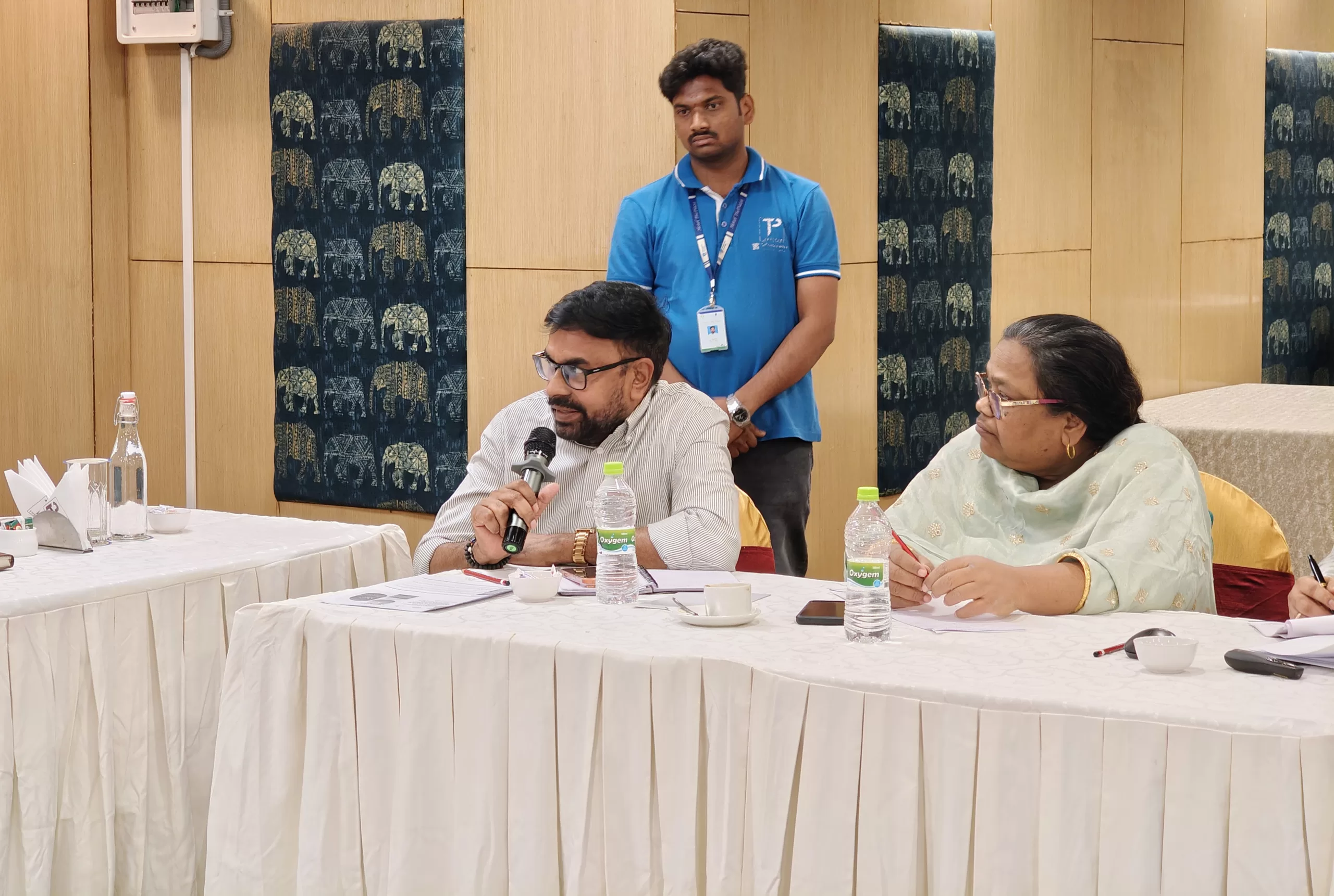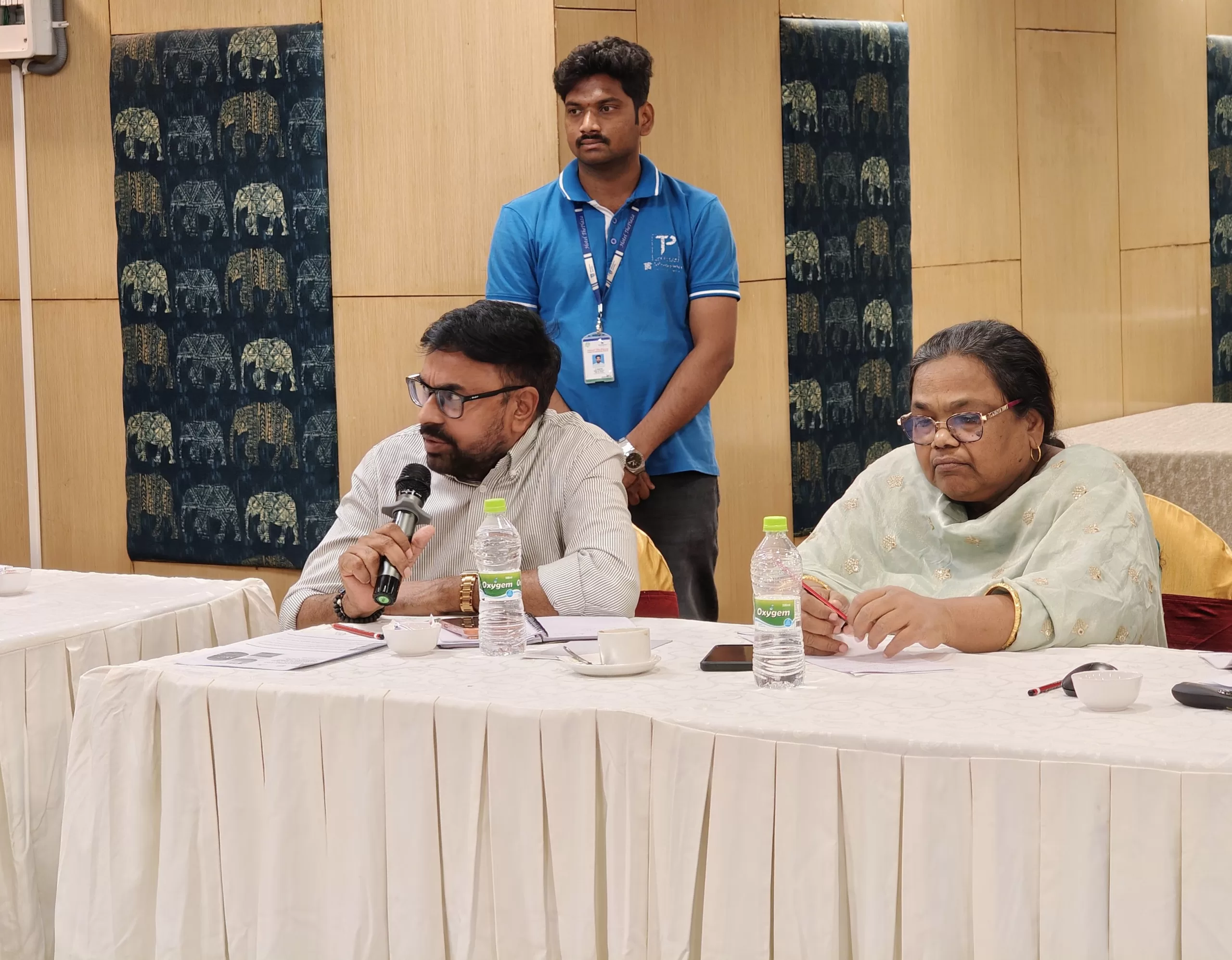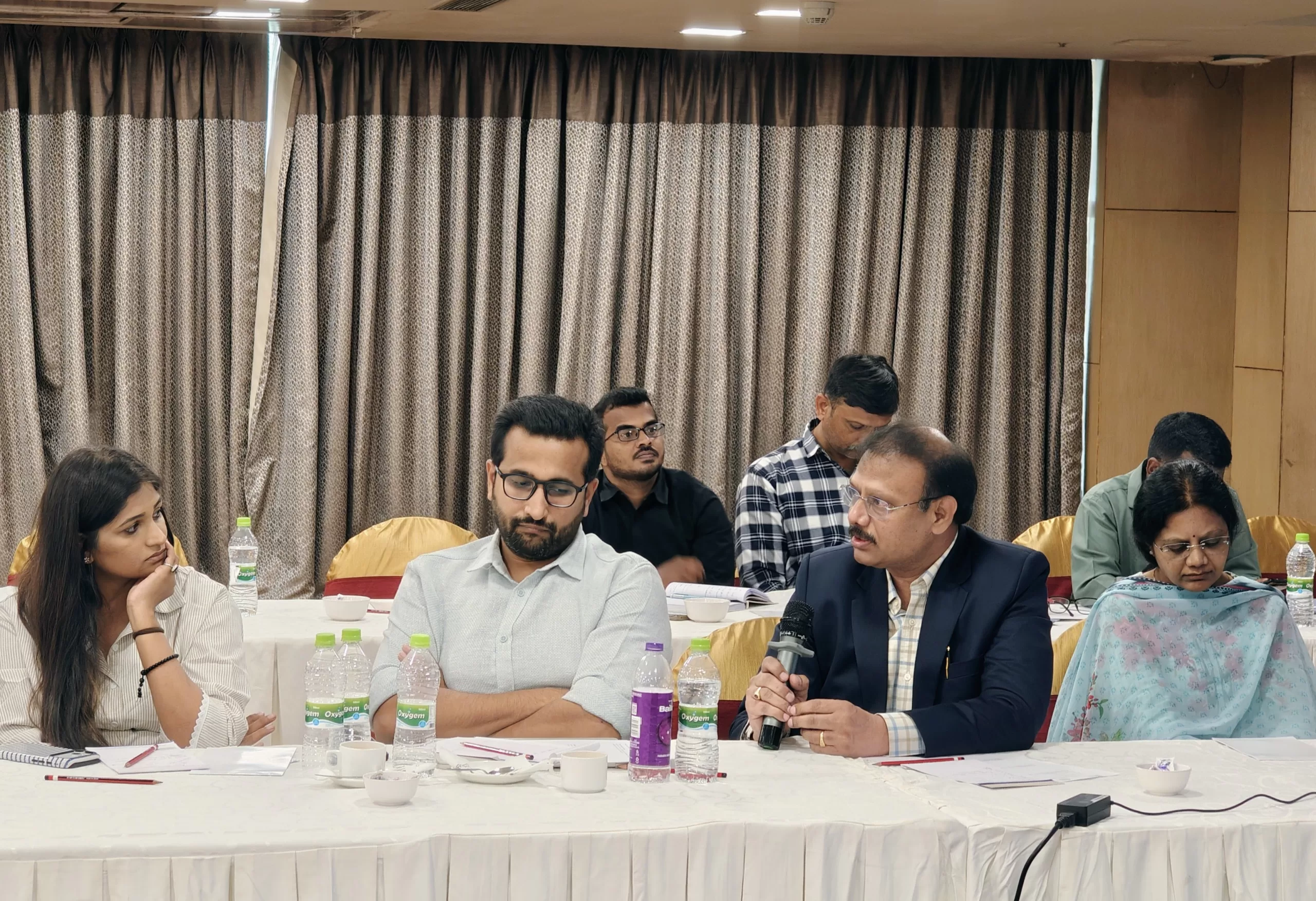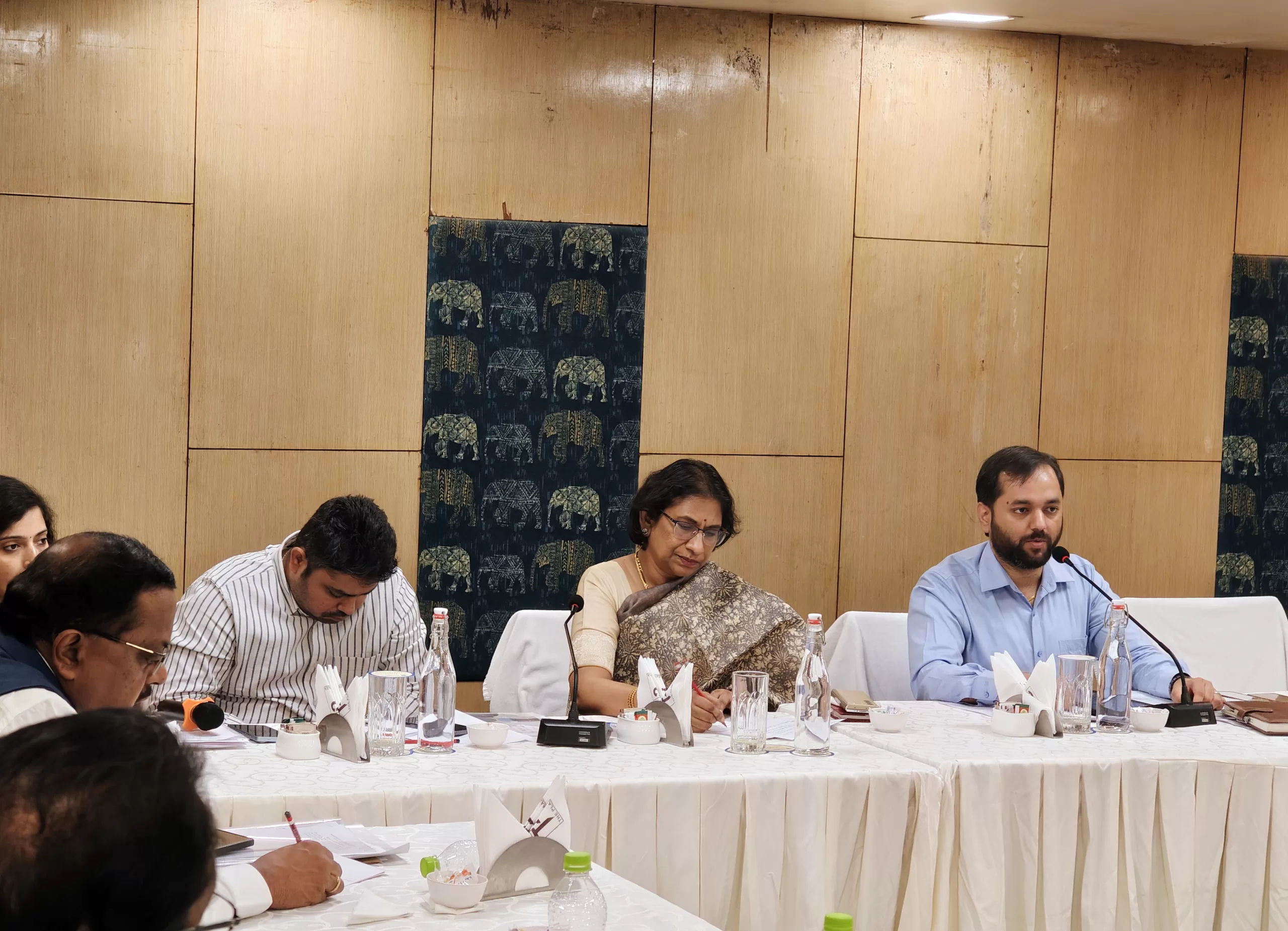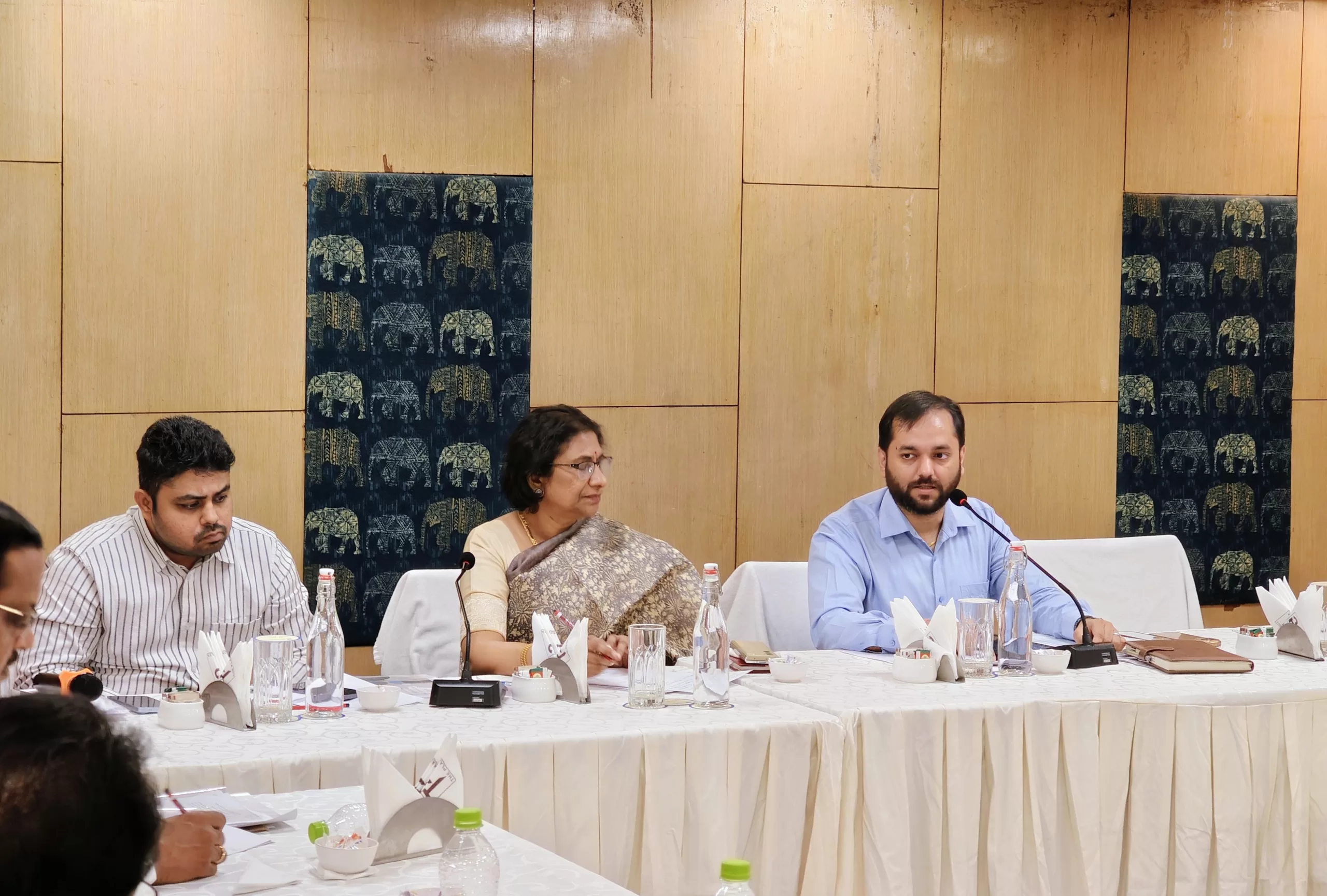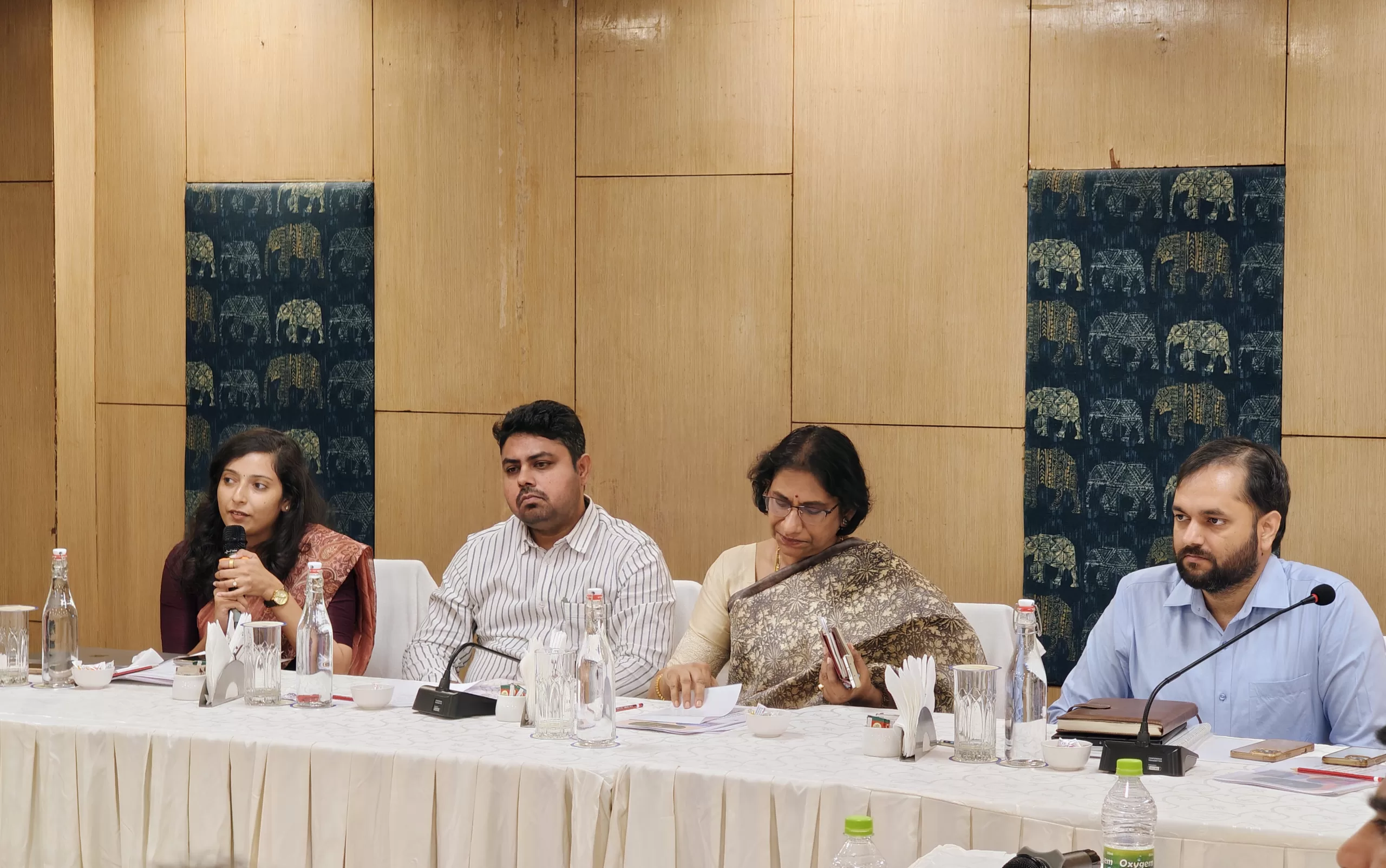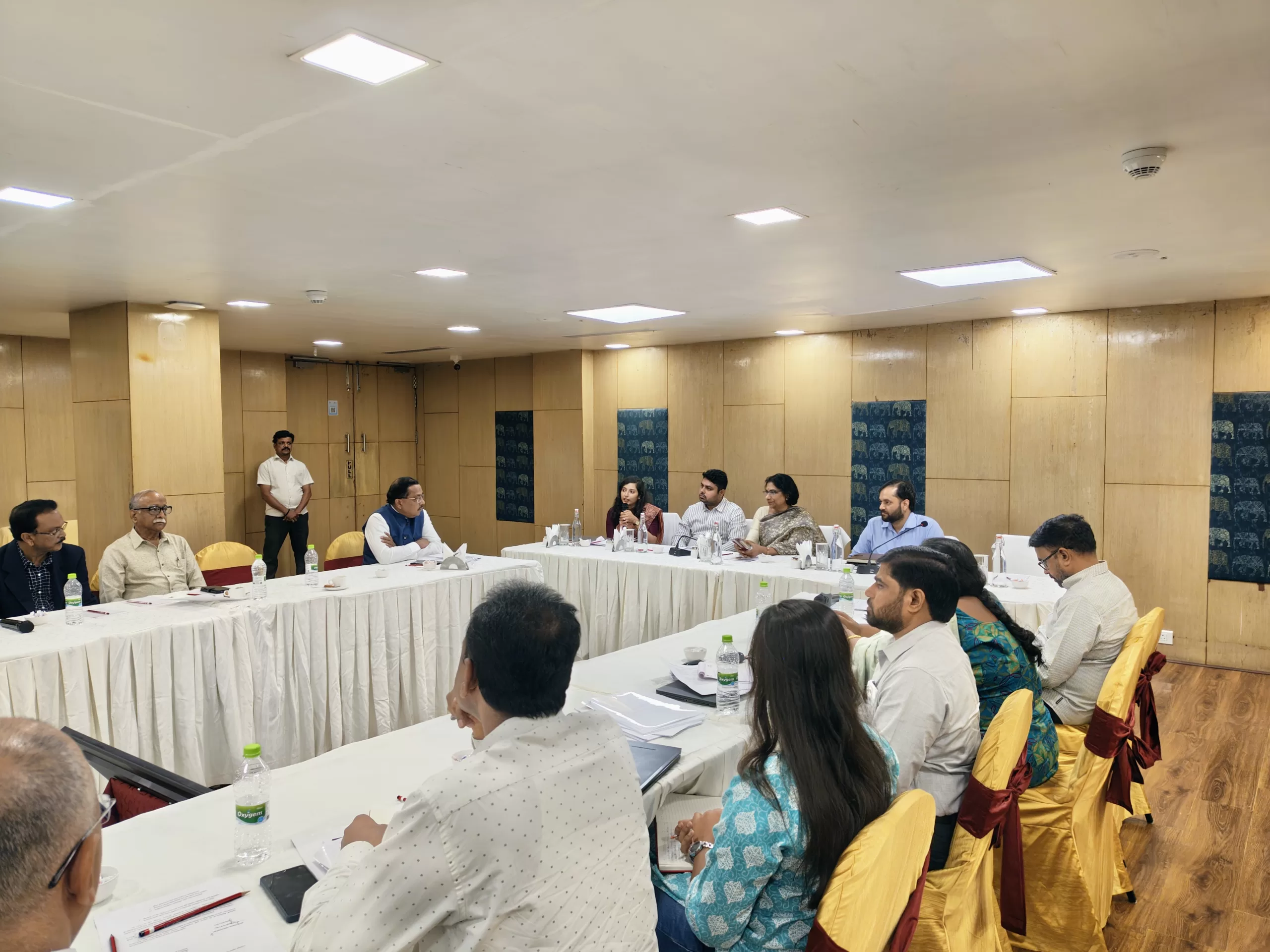

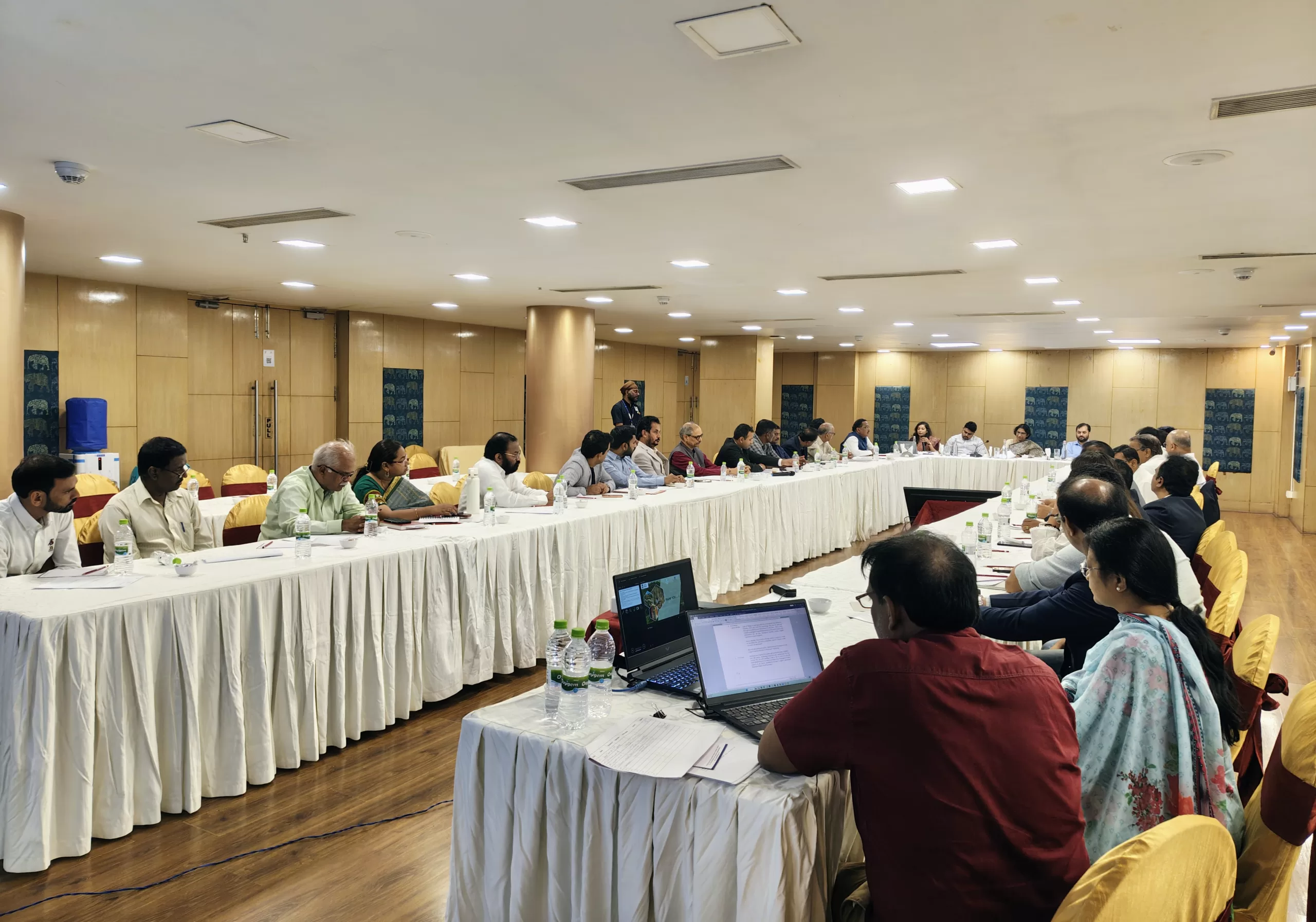
Telangana took a major step forward in tourism development today. The state hosted a State-Level Consultative Workshop on “Developing Global Standard Tourist Destinations” at The Plaza Hotel, Hyderabad. The Ministry of Tourism, Government of India guided the event. The Special Chief Secretary, YAT&C Department, Government of Telangana chaired the session.
The workshop brought together senior officials, industry leaders, and private-sector experts. Together, they discussed how Telangana can compete with the world’s best tourism destinations.
Who Attended the Workshop
The event drew a strong and diverse group of participants. Senior government officials present included the Director of Tourism, the Managing Director of TGTDC, and the Director of Heritage. The District Collector of Vikarabad also attended. Additional Collectors from Nalgonda and Yadadri Bhuvanagiri districts joined the discussions too.
Industry and Private Sector Representation
Industry voices played an equally important role. Representatives from tourism associations, hospitality organisations, wellness resorts, spiritual tourism institutions, aviation, theme parks, and tourism consultancy firms all participated actively. Urban development and planning agencies also sent representatives to the workshop.
The Central Government’s Initiative
The Government of India announced this initiative in the Union Budget 2025–26. The goal is to develop world-class tourist destinations across India. The approach is challenge-based and runs in direct partnership with State Governments.
Performance-Linked Incentives (PLI)
The Ministry of Tourism has proposed a Performance-Linked Incentive (PLI) framework to support this goal. States that perform well in destination management receive additional support and funding. This framework promotes sustainable tourism, effective governance, and stronger global competitiveness.
What the Workshop Covered
Participants covered a wide and detailed agenda during the workshop. They focused on four core areas:
- Visitor Experience — Delegates discussed how to deliver exceptional experiences for every tourist. Seamless connectivity, clean environments, safety, and accessibility all featured prominently in the conversation.
- Destination Branding — Participants explored how Telangana can build a strong and recognisable identity in both domestic and international tourism markets.
- Infrastructure Development — The group examined what physical and digital infrastructure Telangana needs to meet global tourism standards.
- Sustainable Management — Delegates stressed the need for long-term, environmentally responsible approaches to managing tourism destinations.
Destination Management Organisations (DMOs): A Key Proposal
The Ministry’s framework places Destination Management Organisations (DMOs) at the centre of the plan. DMOs handle professional destination planning, governance, marketing, operations, and long-term sustainability. Countries like Singapore and Switzerland use this model with great success.
Why DMOs Matter for Telangana
DMOs bring professionalism and accountability to tourism management. They also attract private investment more effectively than government bodies alone. Telangana stands to benefit enormously from adopting this model across its high-potential destinations.
₹500 Crore Per Destination: The Financial Commitment
The Government of India has proposed financial assistance of up to ₹500 crore per destination. This funding supports the development of tourism hubs and strengthens destination management systems.
For Telangana, this is a transformational opportunity. The state has rich and diverse tourism assets — from heritage sites and spiritual destinations to natural landscapes and wellness tourism. This funding can unlock those assets at scale and create thousands of jobs across districts.
Four Pillars of Global-Standard Tourism
Participants agreed on four pillars that must underpin Telangana’s tourism development strategy:
1. Integrated Planning
Tourism development must coordinate across infrastructure, hospitality, transport, and environment. Siloed planning produces weak results. Only integrated planning delivers world-class destinations.
2. Community Participation
Local communities must be active partners in tourism growth — not passive bystanders. Their involvement ensures that development is sustainable, authentic, and widely beneficial.
3. Investment Facilitation
Telangana must create a transparent and attractive environment for private capital. Clear policies, fast approvals, and reliable governance bring investors to the table.
4. Technology-Enabled Visitor Services
Digital tools must enhance every stage of the visitor journey — from discovery and booking to on-ground navigation and post-visit feedback. Technology is no longer optional in global tourism.
Industry Recommendations: What the Private Sector Said
Private-sector delegates contributed detailed and practical recommendations. Their suggestions covered several key areas:
- Tourism Infrastructure — Industry leaders called for better roads, cleaner facilities, and upgraded accommodation options near key sites.
- Visitor Experience — Hospitality and wellness representatives pushed for consistent quality standards across all touchpoints of the visitor journey.
- Investment Promotion — Tourism consultants recommended faster regulatory clearances and dedicated tourism investment desks at the district level.
- Destination Marketing — Aviation and theme park representatives stressed the need for stronger digital marketing and international outreach campaigns.
Telangana’s Tourism Assets: A State Ready to Rise
Telangana holds remarkable tourism potential that remains largely undiscovered by international visitors. Warangal’s Kakatiya temples offer world-class heritage experiences. Yadadri draws millions of spiritual tourists every year. Vikarabad’s forests provide a rare natural retreat close to a major city. Nagarjuna Sagar near Nalgonda offers scenic water-based tourism.
Hyderabad itself adds further strength to the picture. The city blends Nizam-era heritage with world-class hotels, growing international air connectivity, and a thriving business ecosystem. It serves as an ideal gateway for both leisure and business travellers.
What Happens Next: National Summit in July 2026
The Government of Telangana will now carefully examine all recommendations from today’s workshop. Officials will consolidate the findings into a clear, actionable proposal. Telangana will then present this proposal at the National Summit on Developing Global Standard Tourist Destinations in July 2026.
The national summit will bring all participating states onto one platform. States will benchmark their progress, share best practices, and finalise India’s roadmap for next-generation tourism destinations. Today’s workshop in Hyderabad is therefore a direct and important step toward that national stage.
Telangana Reaffirms Its Tourism Commitment
The workshop ended on a note of strong resolve. Telangana reaffirmed its commitment to building a tourism sector that is sustainable, inclusive, and globally competitive. Better infrastructure, richer visitor experiences, and deeper private-sector partnerships will drive this transformation.
Most importantly, today’s workshop showed what is possible when government, industry, and community align around a shared and ambitious vision. Telangana’s journey toward world-class tourism has clearly begun — and it has begun with purpose.