
Nine years ago, India revolutionized its financial landscape with one of the most significant indirect tax reforms in history. Today, taxpayers and businesses alike ask: How has this unified system truly impacted ease of doing business and national development?
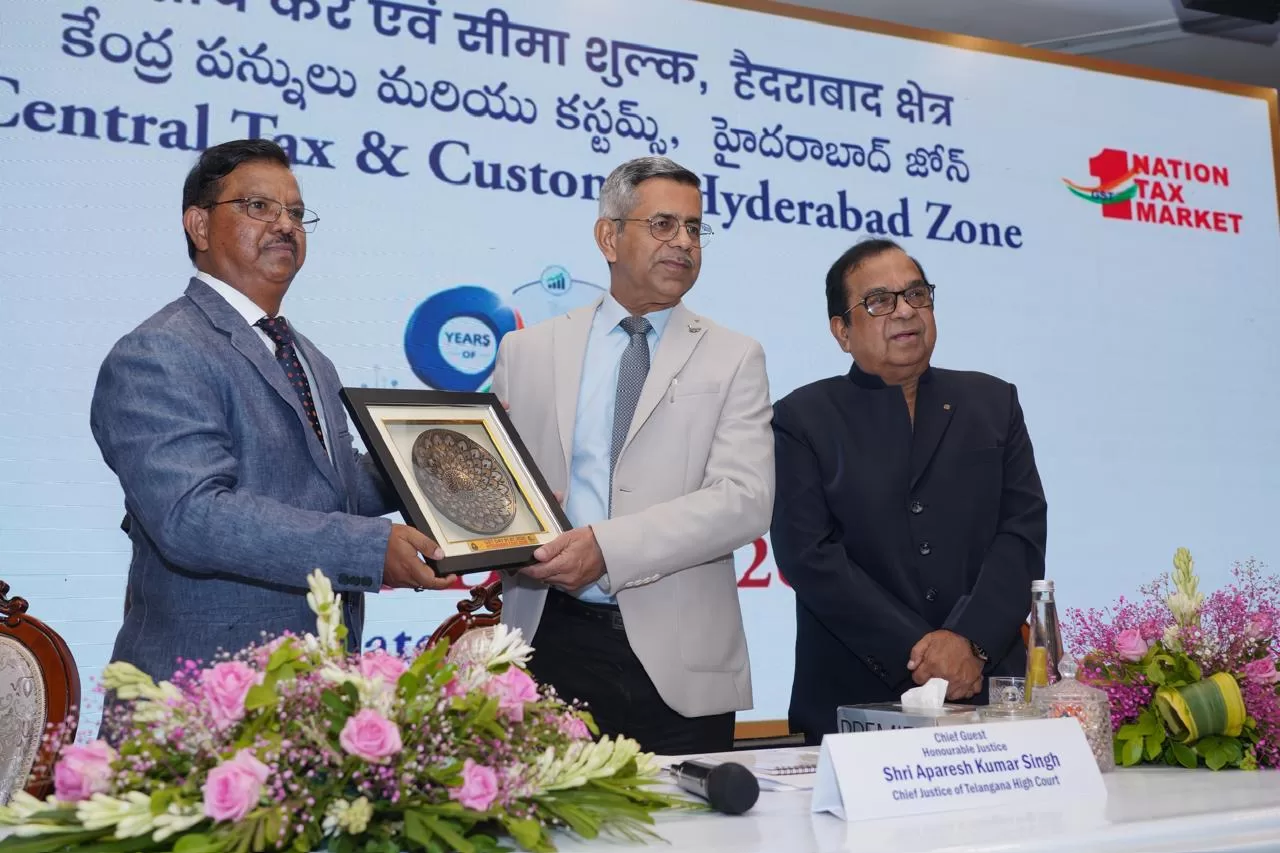
On July 1, 2026, the CGST & Customs, Hyderabad Zone answered this question during the grand celebration of GST Day 2026. Under the theme “Sugam Kar Vyavastha, Sashakt Bharat” (Simplified Tax System, Empowered India), the event showcased technological triumphs, compliance milestones, and a shared vision for the future.
Here is a comprehensive breakdown of the key takeaways from the GST Day 2026 celebrations in Hyderabad and what they mean for the nation’s economic framework.
The Vision: “Sugam Kar Vyavastha, Sashakt Bharat”
The Good and Services Tax (GST) was introduced to replace a complex web of cascading state and central levies. Completing nine successful years, the tax system has matured into a seamless, technology-driven administration.
During the commemoration at the Amaravathi Auditorium in Banjara Hills, leadership highlighted the core achievements of the past decade:
-
Unified National Market: Breaking down inter-state trade barriers to create a singular, integrated economy.
-
Voluntary Compliance: Leveraging automated portals to simplify e-filing, returns, and input tax credits.
-
Transparent Governance: Reducing friction between tax authorities and trade representatives through digital-first protocols.
Key Highlights from Leaders at GST Day 2026
The celebration brought together legal luminaries, tax administrators, and cultural icons, each emphasizing different pillars of the indirect tax framework.
1. Administration and Technology: Shri Arun Kumar, IRS
In his opening address, Chief Commissioner Shri Arun Kumar outlined the transformative impact of digital governance. He credited the dedicated officers for facilitating smooth compliance and emphasized that an efficient tax administration directly fuels the ease of doing business across Telangana and beyond.
2. Legal Transparency & Outreach: Chief Justice Aparesh Kumar Singh
Gracing the event as Chief Guest, the Hon’ble Chief Justice of the Telangana High Court, Justice Aparesh Kumar Singh, stressed the legal foundation of economic growth.
His key recommendations included:
-
Strengthening Public Trust: Maintaining a fair, transparent, and objective tax enforcement ecosystem.
-
Stakeholder Awareness: Launching grassroots outreach programs to educate small businesses and traders.
-
Legal Collaboration: Utilizing the Legal Services Authority framework to build collaborative dispute resolution channels.
3. Civic Responsibility: Padma Shri Dr. K. Brahmanandam
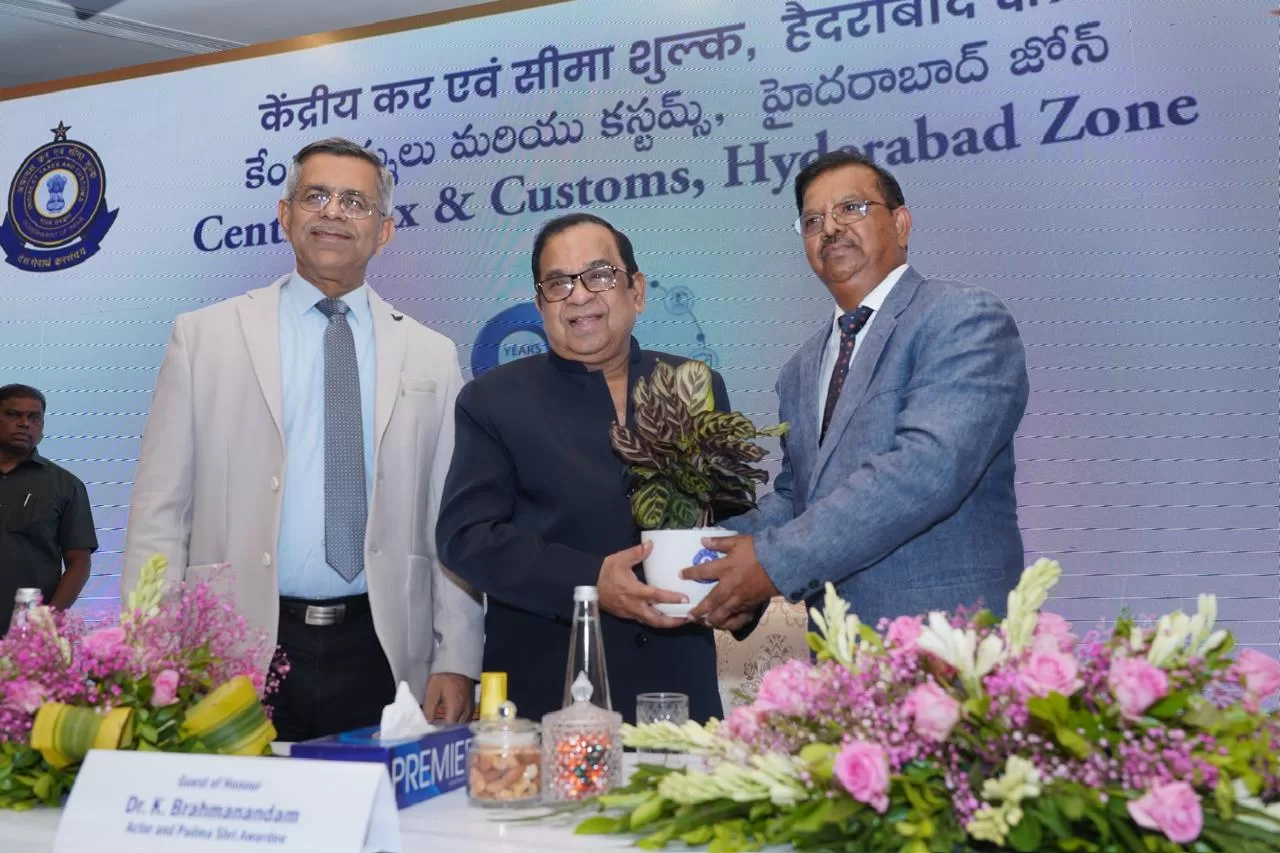
Guest of Honour and celebrated actor Dr. K. Brahmanandam brought a human perspective to the economic discourse. He applauded the tireless efforts of tax officers and reminded citizens that honest tax compliance is a direct contribution to nation-building.
 9 Years of GST: A Technology-Driven Evolution
 9 Years of GST: A Technology-Driven Evolution
A special audio-visual presentation screened at the event mapped the nine-year trajectory of the tax reform. The evolution highlights how data analytics, artificial intelligence, and robust IT infrastructure have replaced manual interventions.
| Milestone Phase | Core Focus | Impact on Taxpayers |
| Years 1–3: Integration | Absorbing legacy taxes into one system | Elimination of cascading tax-on-tax effects |
| Years 4–6: Digitization | E-way bills and automated invoices | Faster logistics and streamlined supply chains |
| Years 7–9: Optimization | AI-driven fraud detection & UI upgrades | Enhanced voluntary compliance & quick refunds |
Honoring Excellence: Commendation Certificates
An efficient administrative zone relies on the integrity of its workforce. To recognize outstanding public service, the department awarded Commendation Certificates to exemplary officers and staff members.
These awards celebrated contributions in:
-
Effective execution of Customs and CGST regulations.
-
Proactive taxpayer facilitation and dispute resolution.
-
Driving initiatives that align with the national dream of a Viksit Bharat (Developed India).
[Image Placement 3: Award ceremony photograph showing officers receiving certificates from dignitaries]
Image Alt Text Suggestion: CGST officers receiving Commendation Certificates at GST Day 2026 Hyderabad
Conclusion: Paving the Way for a Viksit Bharat
The GST Day 2026 celebrations by the Hyderabad Zone reaffirmed a powerful truth: a transparent, simplified tax structure is the engine of a robust economy. As the Goods and Services Tax enters its tenth year, the focus remains firmly on taxpayer-friendly reforms, continuous legal collaboration, and digital empowerment.
Are you a business owner looking to optimize your indirect tax filing or understand recent compliance regulations? Visit the official CBIC portal today to review the latest GST guidelines and ensure your business stays ahead in India’s growing digital economy.
Frequently Asked Questions (FAQ)
What is the theme for GST Day 2026?
The theme for GST Day 2026 is “Sugam Kar Vyavastha, Sashakt Bharat,” which translates to “Simplified Tax System, Empowered India.” It highlights the role of straightforward tax processes in strengthening the national economy.
Why is GST Day celebrated on July 1st?
GST Day is celebrated annually on July 1st to commemorate the historic rollout of the Goods and Services Tax (GST) on July 1, 2017. The year 2026 marks the completion of nine successful years of this unified indirect tax regime.
Who were the chief guests at the Hyderabad GST Day 2026 event?
The event was hosted by Chief Commissioner Shri Arun Kumar, IRS. The Hon’ble Chief Justice of the Telangana High Court, Justice Aparesh Kumar Singh, attended as the Chief Guest, and Padma Shri awardee Dr. K. Brahmanandam attended as the Guest of Honour.
How has GST improved the ease of doing business in India?
GST streamlined the Indian market by replacing over a dozen distinct state and central taxes with a single, digital-first framework. Features like automated input tax credits, e-invoicing, and standardized compliance portals have significantly reduced operational friction for businesses.