

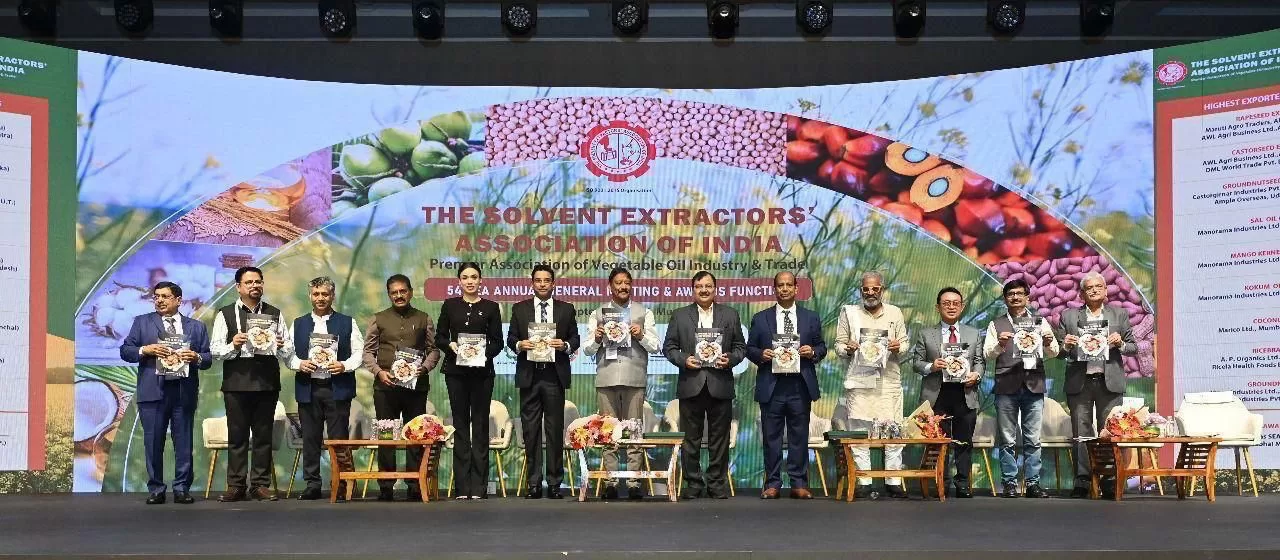
Solidaridad Asia, in collaboration with The Solvent Extractors’ Association of India (SEA) and the Asian Palm Oil Alliance (APOA), released a new white paper titled Path to Palm Oil Self-Sufficiency in India. The research outlines a comprehensive strategy to reduce India’s dependence on palm oil imports, boost domestic production, and achieve up to 50% self-sufficiency by 2047, potentially saving trillions in import costs while enhancing farmer incomes and promoting environmental sustainability.
India’s Palm Oil Challenge
India is the world’s largest importer of palm oil, sourcing 8.9 million metric tonnes (mmt) in 2023, which accounts for 21% of global imports, while domestic production covers less than 5% of demand. By 2047, vegetable oil demand is projected to reach 66.8 mmt, driven by rising incomes, urbanization, and processed food consumption. Without production increases, India could face a 40 mmt supply gap.
Dr. B.V. Mehta, Executive Director, SEA, said:
“India’s pursuit of self-sufficiency in edible oils is both a national imperative and a collective responsibility. Palm oil is critical for nutrition, industrial needs, and affordability, yet domestic output is currently insufficient.”
Key Opportunities Highlighted
1. Economic Resilience:
Oil palm offers a Benefit-Cost Ratio (BCR) of 1.49, higher than rice or cotton. States like Andhra Pradesh can boost farmer profits by INR 30,000–1,50,000 per hectare annually by switching to oil palm.
2. Multi-Sectoral Growth:
An expanded palm oil ecosystem could create INR 15 trillion cumulative output by 2047 and generate ~6.9 lakh jobs annually, supporting rural livelihoods and regional development.
3. Environmental Benefits:
Palm oil has low emissions per unit of oil compared to soybean, sunflower, and rapeseed oils. With proper land-use planning and methane capture from palm mill effluent (POME), India can promote climate-smart oil production.
4. Food Security:
Studies in Indonesia and Costa Rica show switching to oil palm increased household calorie intake by 13% and improved access to nutritious foods.
Dr. Shatadru Chattopadhyay, MD, Solidaridad Asia, added:
“A self-reliant palm oil ecosystem could generate INR 15 trillion in output and nearly 7 lakh jobs annually, strengthening India’s food security and rural economy.”
Recommended Action Plan
- Target High-Potential Areas: Expand the National Mission on Edible Oils – Oil Palm (NMEO-OP) and improve irrigation.
- Repurpose Low-Return Lands: Use 16.08 mha of marginal rice-growing areas for oil palm.
- Boost Productivity: Improve yields from 2.4 mmt/ha to 4–5 mmt/ha using high-quality planting materials and modern agronomic practices.
- Create Enabling Ecosystem: Develop rural road networks, FFB collection systems, and processing facilities, especially in Northeastern states.
- Catalyze Private Partnerships: Strengthen public-private collaboration in nurseries, mills, and training centers to expand production and market access.
About the Organizations
- Solidaridad Asia: Regional entity of Solidaridad Network promoting sustainable, inclusive supply chains.
- SEA: Represents India’s solvent extraction and vegetable oil industry since 1963.
- APOA: Apex alliance of vegetable-oil associations across South Asia, advancing sustainable palm oil trade.











 of 1.49, higher than rice or cotton.)