
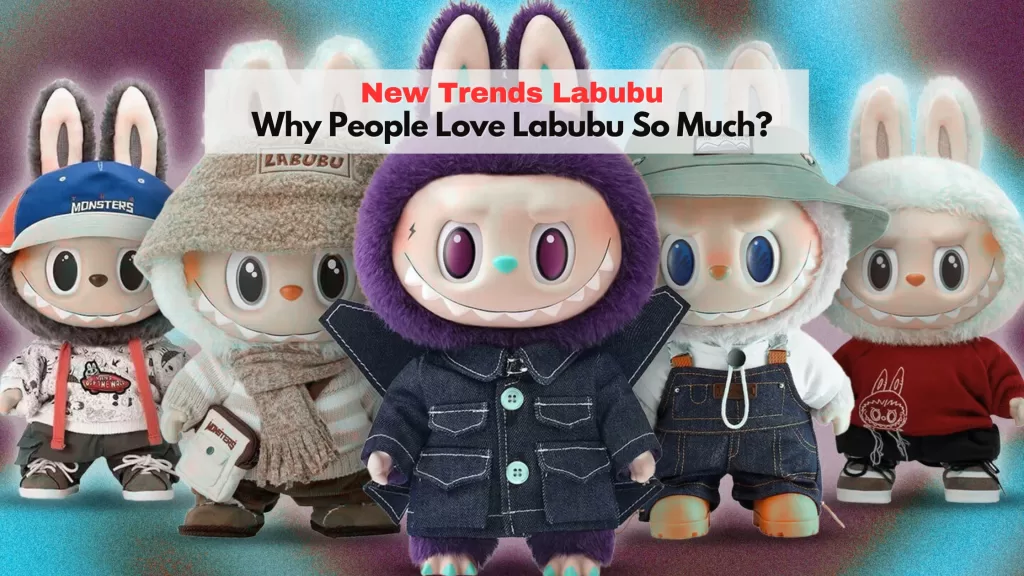
If you’ve been on TikTok or Instagram lately, you’ve probably seen a strange little toy called Labubu. With its messy hair, jagged teeth, and goblin-like grin, it’s not exactly cute, and yet, everyone wants one.
People are lining up to buy it, showing it off in unboxing videos, and paying big bucks for rare versions. The craze is so big that the company behind it, Chinese toy brand PopMart, is now expecting its profits to rise by 350% in 2025.
So, what’s going on? Why is the world suddenly obsessed with a scruffy little monster toy?
Let’s break it down.
What Is Labubu?
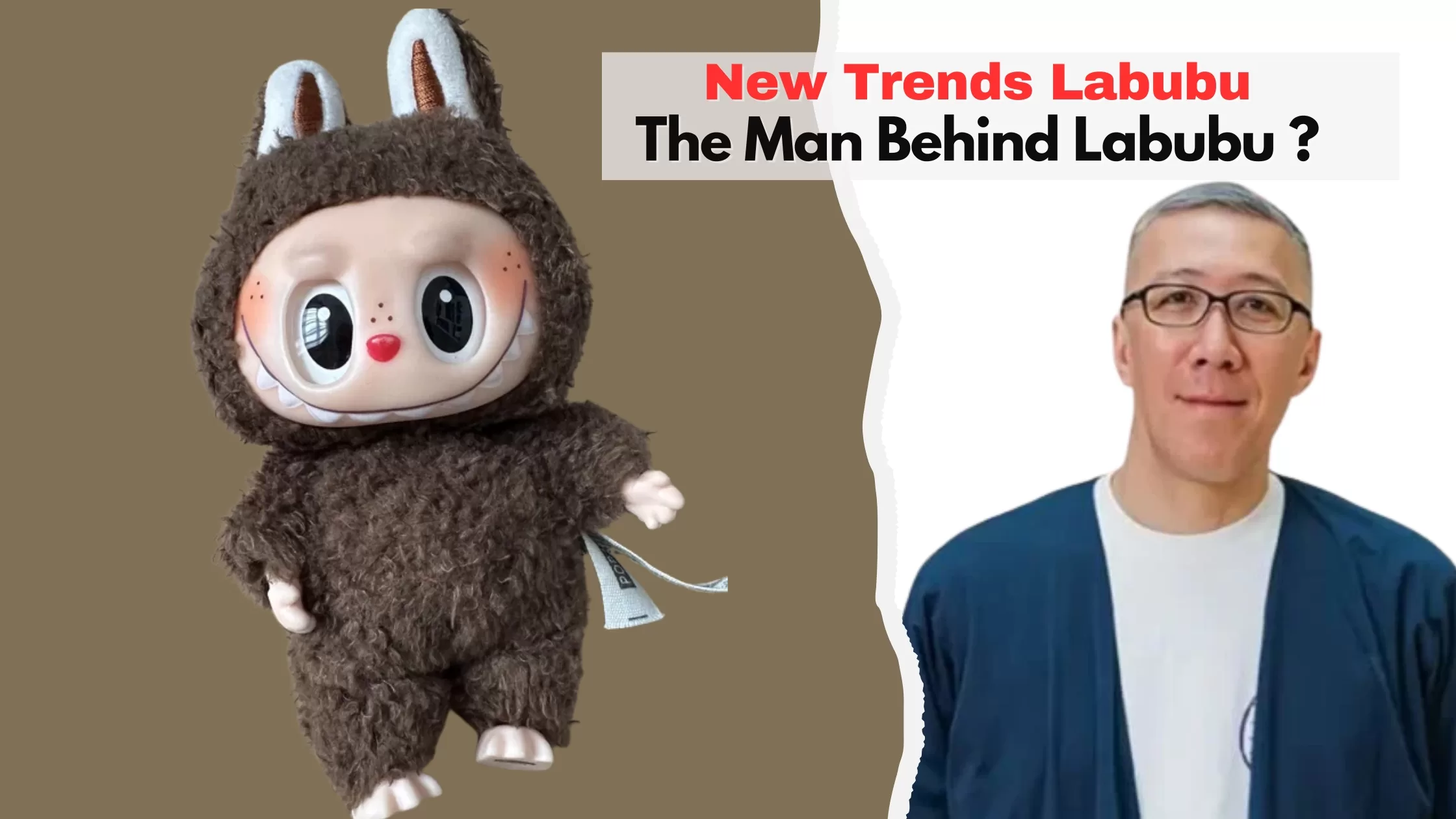
Labubu is a collectible toy figure created by Hong Kong artist Kasing Lung. Back in 2015, Lung wrote a series of books called The Monsters, inspired by dark Scandinavian fairy tales. Labubu was one of the main characters — a mischievous creature that causes chaos but means well.
In 2019, Lung partnered with PopMart, a major Chinese toy company, to turn Labubu into a vinyl collectible figurine. At first, sales were moderate. But in 2025, everything changed.
Thanks to social media and smart marketing, Labubu has become one of the most viral toys in the world.
PopMart’s Profits Are Skyrocketing
Because of Labubu’s massive popularity, PopMart’s profits are set to grow by 350% this year. The company is now valued at around $40 billion.
The toy’s success has been fueled by huge online demand, with fans rushing to buy every new version released. Stores are selling out, resale prices are skyrocketing, and collectors are treating it like gold.
In fact, a life-sized Labubu doll sold for $150,000 in Beijing. And on platforms like eBay, people are reselling rare versions for hundreds of dollars.
The Power of Blind Box Marketing
So, what’s the secret to Labubu’s success?
It comes down to one powerful idea: blind boxes.
When you buy a Labubu toy, you don’t know which version you’re getting. There are dozens of different designs — costumes, colors, and seasonal variants — and some are incredibly rare. The rarest ones, called “secret variants”, have only a 1 in 72 chance of appearing.
That mystery creates excitement. People keep buying more and more just to try their luck — kind of like toy-based gambling.
It’s called artificial scarcity, and it works. It makes the product feel exclusive and collectible, even if the toy itself doesn’t change.
It’s Not Just Kids Buying Labubu
Here’s what makes this trend even more interesting: it’s not kids driving the craze — it’s millennials and Gen Z adults.
Young adults are now the fastest-growing group of toy buyers in the world. For them, toys like Labubu are not just playthings — they’re nostalgic, collectible, and shareable on social media.
This has led to a booming second-hand market, fakes flooding resale sites (nicknamed Lafufus), and even government crackdowns — Chinese officials have seized over 46,000 fake Labubu dolls so far.
Will the Labubu Trend Last?
Probably not forever.
Like fidget spinners, Squishmallows, or Stanley Cups, Labubu might be just another viral trend. Internet fads tend to rise fast and fade just as quickly.
But for now? PopMart is riding the wave, turning a funny-looking toy into a billion-dollar success story.
Labubu may not look like much, but its impact on the toy market is huge. It’s the perfect example of how clever design, artificial scarcity, and social media hype can turn a quirky product into a global sensation.
And while your Labubu might end up collecting dust next year, PopMart’s bank account will be anything but dusty.