

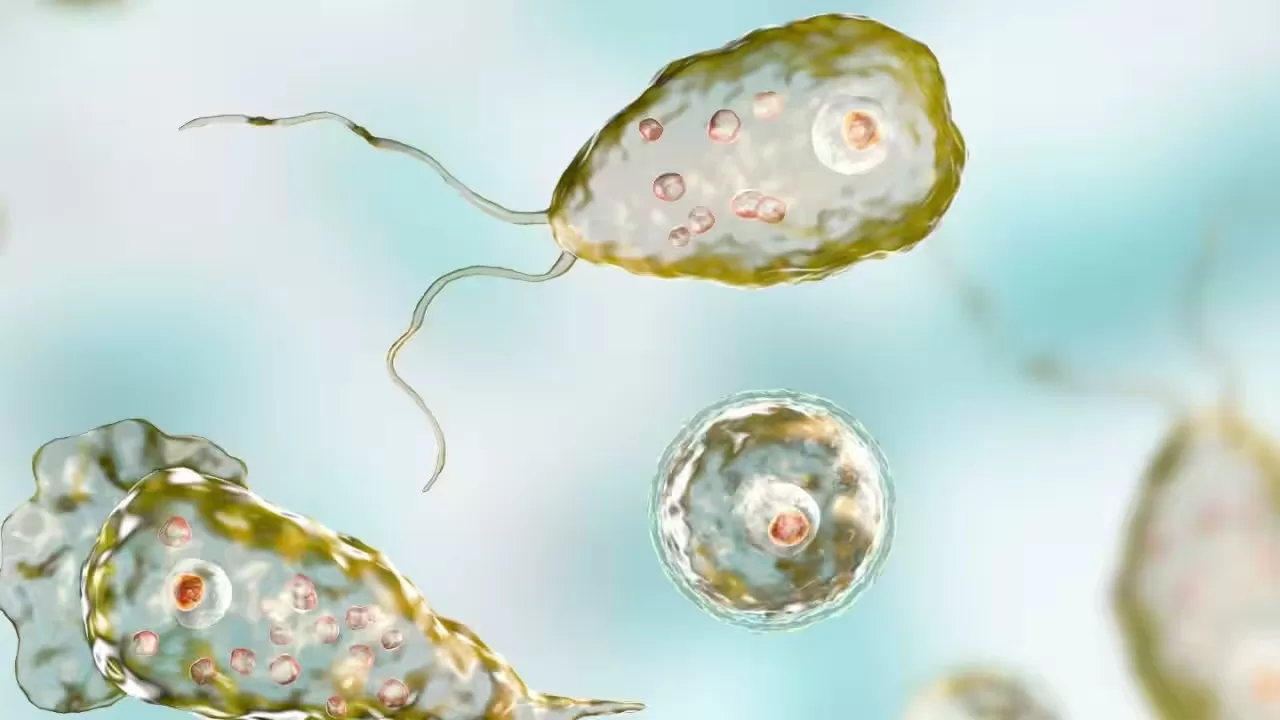
Health authorities in Kerala are on high alert following a significant surge in Primary Amoebic Meningoencephalitis (PAM) cases, caused by the ‘brain-eating amoeba’ Naegleria fowleri. So far this year, over 69 cases have been reported, resulting in 19 confirmed deaths, nearly doubling the severity compared to last year’s outbreak.
Outbreak Details In Kerala
- Naegleria fowleri is a rare amoeba found in warm freshwater sources, including lakes, rivers, and poorly chlorinated swimming pools.
- The infections affect all age groups, from infants to the elderly.
- Unlike in previous years, cases are now sporadic across the state, rather than confined to a single water source.
- In 2024, Kerala recorded 36 cases with 9 deaths, highlighting the increased scale of the 2025 outbreak.
Public Health Response In Kerala
Kerala’s health authorities have stepped up surveillance and testing to identify cases early and provide timely treatment. Key measures include:
- Advisories urging residents to avoid swimming or bathing in untreated or stagnant freshwater.
- Ensuring proper chlorination of wells, pools, and public water bodies.
- Enhanced hospital lab capacity to enable early detection, which improves survival chances.
Symptoms and Risks
PAM is contracted when contaminated water enters the nose; it is not transmitted person-to-person. Early symptoms include:
- Headache, fever, vomiting
- Rapid progression to seizures, confusion, coma, and often death
Globally, PAM is extremely rare but highly fatal, with a mortality rate of around 95%.
International Perspective
Since 1962, fewer than 500 cases have been reported worldwide, mostly in the US, Pakistan, Australia, and India. Kerala has experienced a disproportionate surge in recent years. Both the World Health Organization (WHO) and CDC emphasize that while cases are uncommon, the disease can be almost always fatal if not treated promptly.
Precautionary Measures
- Limit activities in warm, untreated freshwater.
- Regularly clean and chlorinate wells, pools, and water storage systems.
- Seek urgent medical attention if neurological symptoms develop after freshwater exposure.
Kerala’s current situation highlights the crucial importance of water safety, public awareness, and early diagnosis in managing this rare yet deadly disease.












 resulting in 19 deaths. The infection is caused by Naegleria fowleri)