
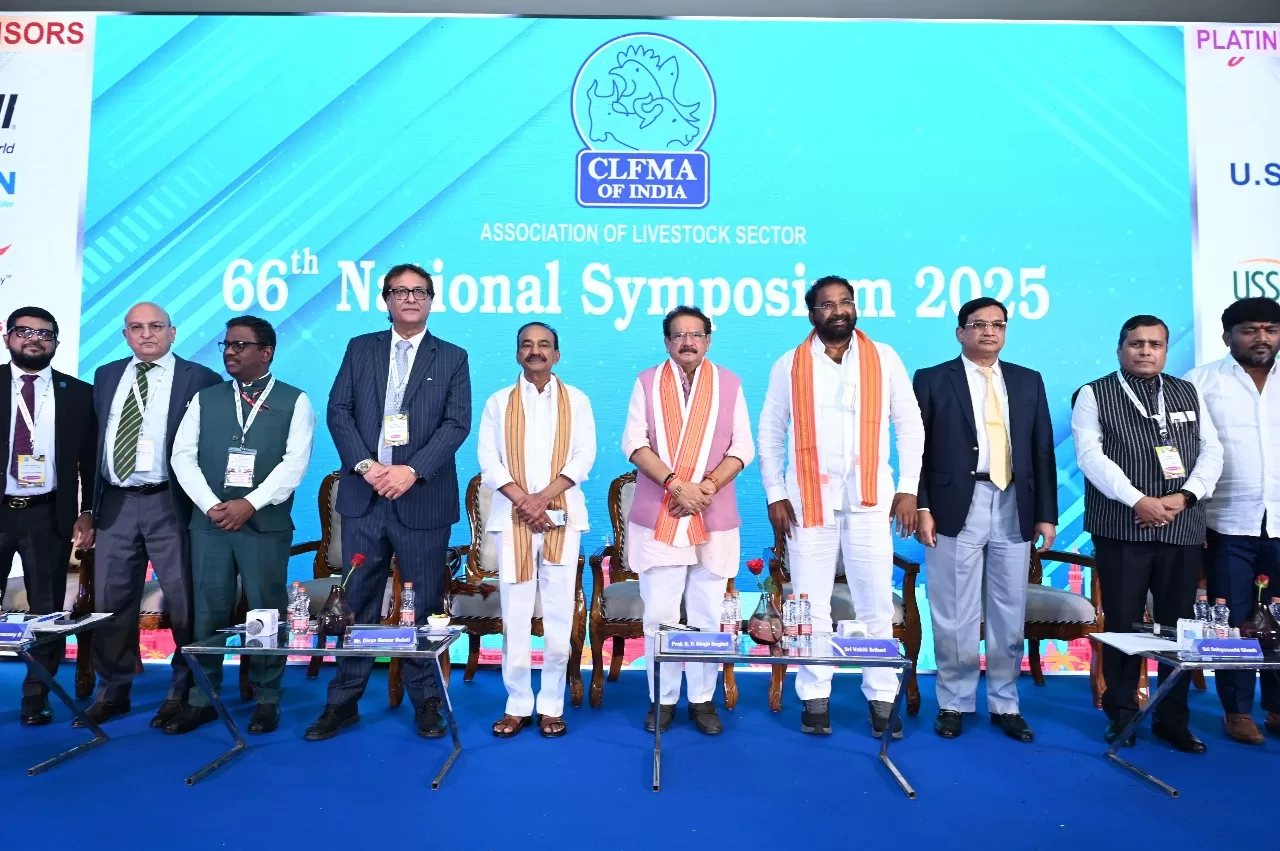
The CLFMA of India 58th AGM & 66th National Symposium 2025 held in Hyderabad is more than just an annual gathering—it’s a roadmap for the future of animal agriculture in India. With the theme “Animal Agriculture in India – The Way Forward,” this two-day event has become a key platform where policymakers, industry leaders, and experts unite to discuss strategies that will impact millions of rural households, strengthen food security, and position India on the global stage.
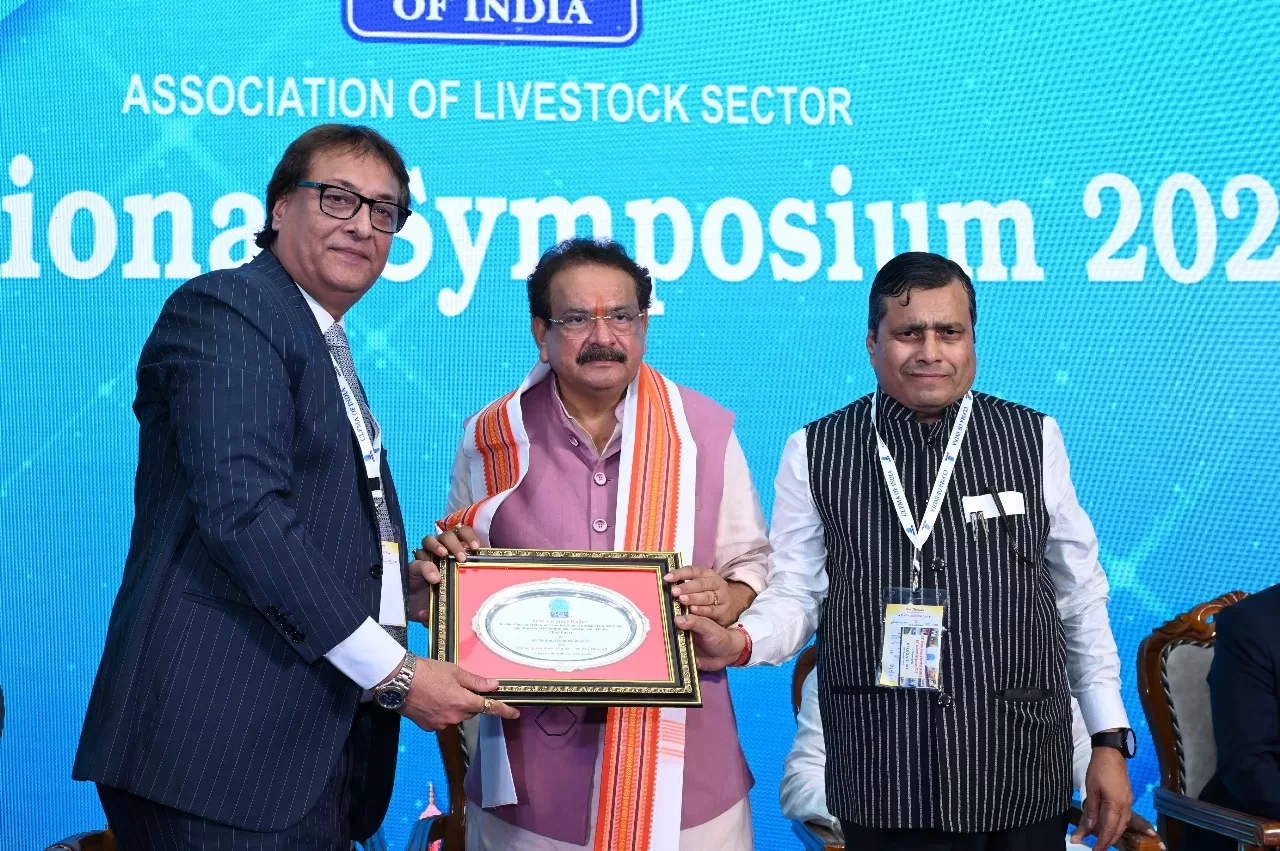
CLFMA of India 58th AGM & 66th National Symposium 2025: Why It Matters
India’s livestock sector is a silent powerhouse. Contributing significantly to the national economy and rural livelihoods, it provides milk, meat, eggs, and fish that feed the country while sustaining millions of farmers. At the CLFMA of India 58th AGM & 66th National Symposium 2025, discussions focused on how India can move beyond being the world’s largest producer to becoming a leading exporter. Proposals like Export Oriented Zones (EOZs) and a dedicated Livestock Export & Domestic Development Authority reflect this bold vision.
Themes & Insights
The event goes beyond statistics—it’s about sustainable and responsible growth. Sessions on dairy competitiveness, poultry opportunities, aquaculture diversification, feed challenges, and animal health solutions provided a holistic view of what the future holds. Importantly, conversations highlighted sustainability, farmer skill development, and creating stronger animal health systems as the backbone of long-term progress.
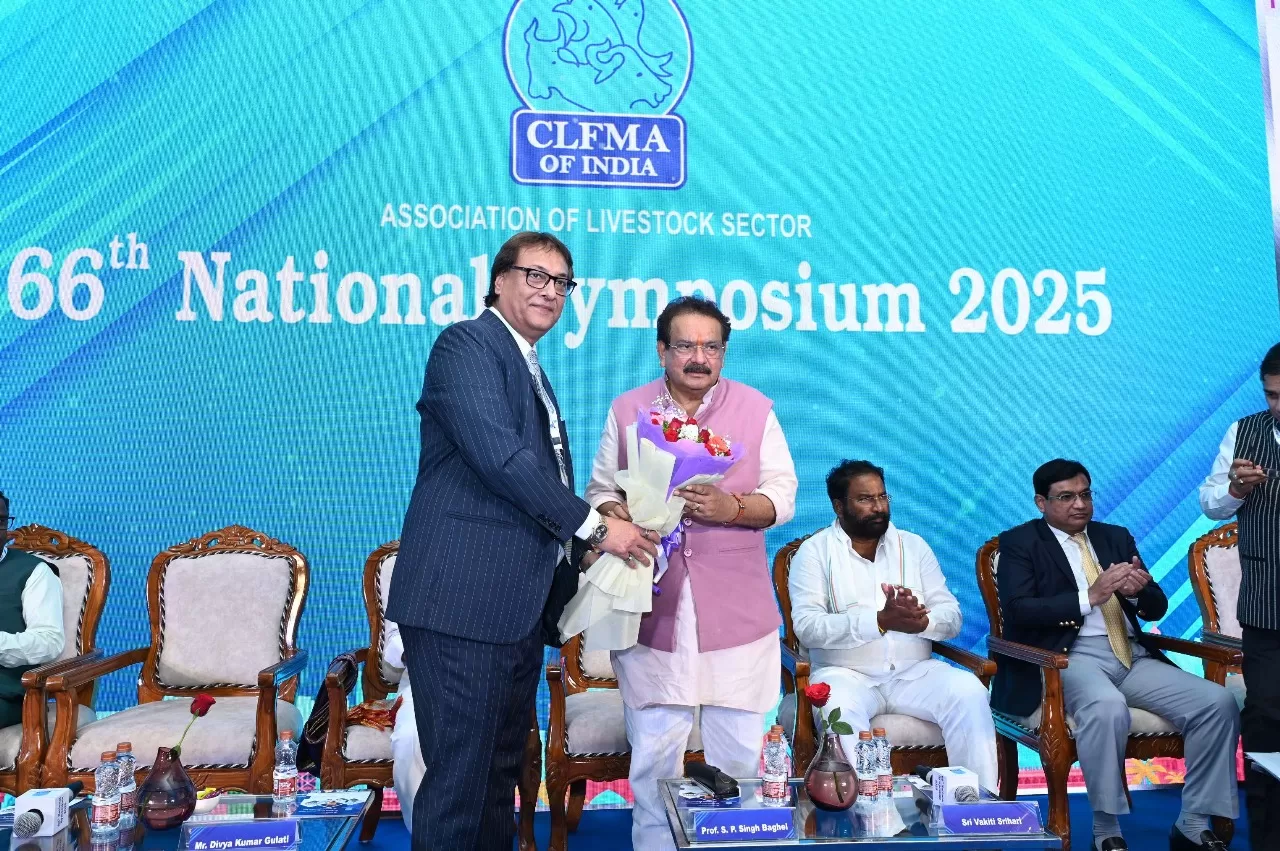
A Vision for Viksit Bharat
Speakers emphasized that the future of animal agriculture lies in balance—producing more, but responsibly. With collaborative strategies and stronger policy frameworks, India’s livestock, dairy, poultry, and fisheries sectors can unlock global competitiveness while safeguarding the environment.
The CLFMA of India 58th AGM & 66th National Symposium 2025 is not just an industry event—it’s a milestone in shaping India’s agricultural future. By bringing together knowledge, innovation, and collaboration, it charts a path toward a sustainable, globally competitive, and farmer-centric animal agriculture sector.