
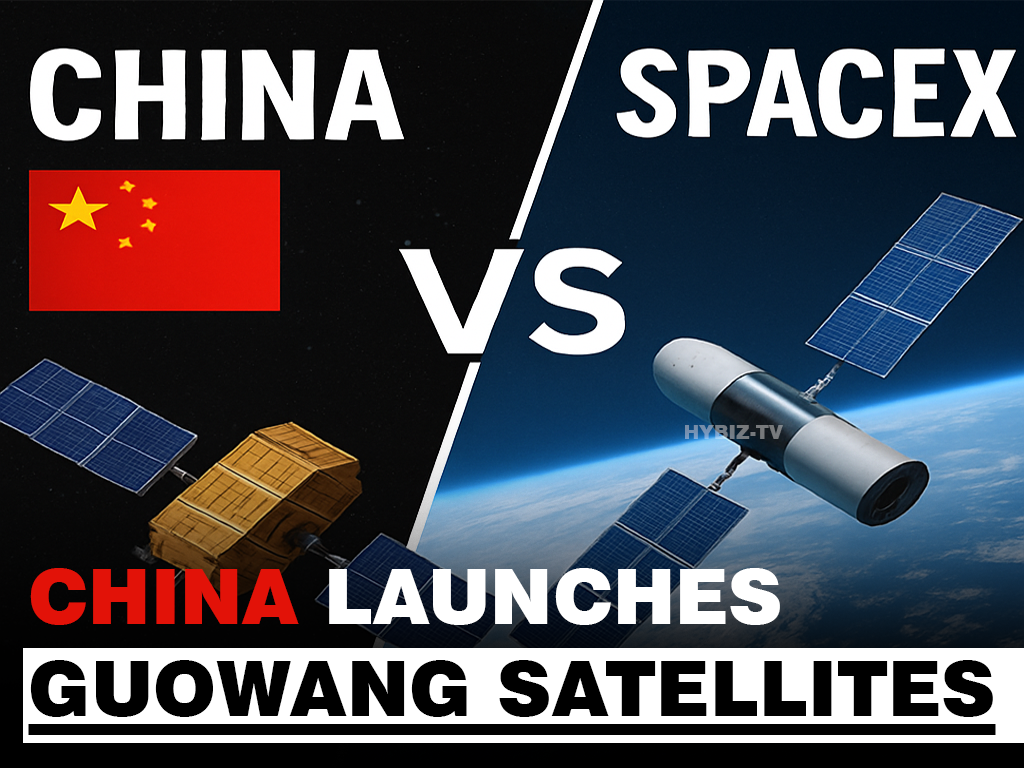
China has taken a major leap forward in the global race for satellite internet dominance, launching a new batch of low-orbit satellites as part of its expansive Guowang megaconstellation project. The mission, a significant milestone for the country’s rapidly advancing space ambitions, strengthens China’s efforts to compete with SpaceX’s Starlink and positions it as a leading player in the next era of global connectivity.
A Landmark Launch From Hainan
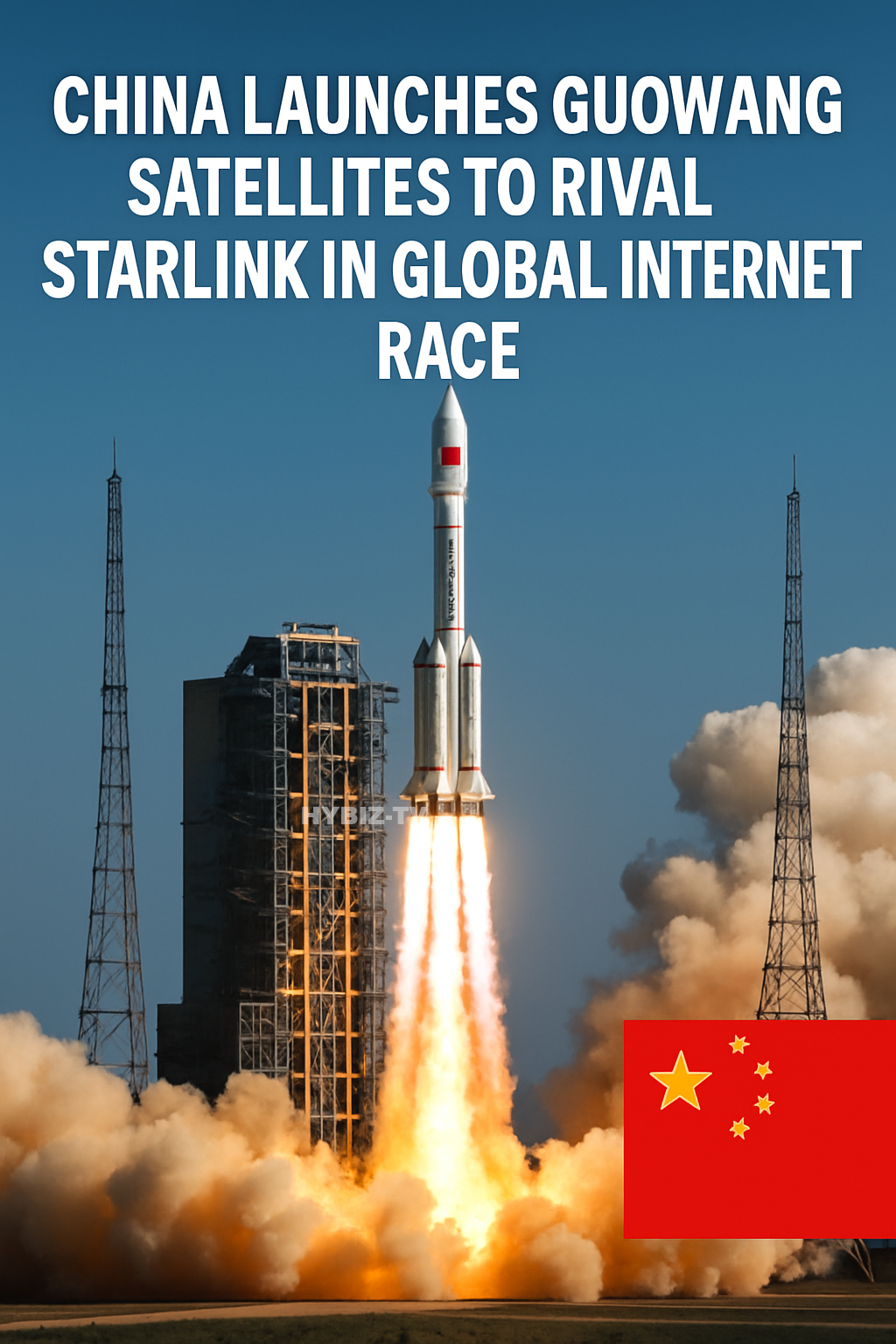
On Monday evening, China successfully lifted off a Long March 12 rocket from its commercial launch site on Hainan Island, sending the seventh group of internet satellites into orbit. The launch took place at 6:21 p.m. Beijing time, highlighting China’s push to expand its satellite internet infrastructure and offer solutions that could reach underserved areas around the world.
The Long March 12, developed by the Shanghai Academy of Spaceflight Technology, is symbolic of China’s modern, high-capacity launch capability. Capable of carrying up to 12 tonnes to low Earth orbit, this mission marked only the rocket’s second use, after a landmark maiden flight in November 2024. The Long March rocket series has now completed its 587th mission, cementing China’s record of consistency in space missions.
Guowang: China’s Answer to Starlink
At the heart of this initiative is the Guowang constellation—a massively ambitious project aiming to deploy over 13,000 satellites. This mega-network seeks to rival and potentially surpass Starlink, providing global, high-speed internet including to remote and developing regions. The Guowang system is central to China’s digital expansion strategy, not only for commercial gain but also for enhancing digital influence in regions such as Africa where Chinese-built infrastructure is prevalent.
Private Sector Plays a Key Role
What makes this deployment especially noteworthy is the critical involvement of China’s commercial sector. The latest group of satellites was designed and constructed by GalaxySpace, a Beijing-based private company. Manufacturing was undertaken in a cutting-edge facility that leverages intelligent robotics and digital processes, drastically reducing the development timeline and proving the increasing capability and capacity of China’s private space industry.
This blending of state-driven projects with private sector innovation signals a shift in China’s approach to space commercialization. It marks a new era where state-run programs actively partner with commercial experts to push scientific and technological frontiers, mirroring successful models in the United States and elsewhere.
Strategic Implications and Global Competition
China’s rapid satellite deployment is not just about connectivity—it’s also a strategic move. As global demand for affordable, fast internet grows, especially in regions under-served by terrestrial infrastructure, the race between Starlink and Guowang has big implications for digital infrastructure standards, cybersecurity, and international influence. China’s consistent investment in satellite launches demonstrates an intent to be not just a participant, but a leader in global space-based telecommunication.
Looking Ahead
With the successful launch of this latest batch, China demonstrates the operational maturity of its commercial and governmental partnerships in space. As the Guowang constellation continues to grow, the world will see increased competition in the satellite internet market, promising better coverage, lower costs, and more choice for consumers globally. This escalation also highlights the importance of innovation, strategic investment, and international cooperation in shaping the future of global connectivity.
This launch is more than a technological achievement—it is a statement of China’s intent and capability to redefine where and how the world connects.